How to Transplant Western burning bush?
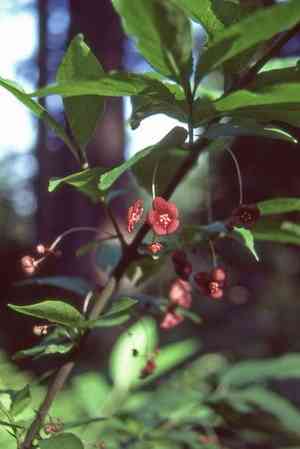
For Euonymus atropurpureus, the period immediately following the vernal equinox until the summer solstice, or when autumnal colors transition into winter, represents the ideal time for relocation. Select locations that receive dappled sunlight and possess adequately draining earth to foster vigorous development. A helpful suggestion: careful manipulation guarantees a prosperous shift!
What Preparations are Needed Before Transplanting Western Burning Bush?
What is the Ideal Time for Transplanting Western Burning Bush?
The best period for relocating western burning bush is during the mild conditions of mid-spring to early summer, or as autumn transitions into winter. Moving western burning bush at these times leverages moderate temperatures and favorable ground conditions, fostering robust root development without the strain of harsh weather. A successful move during these windows supports vigorous growth and plant resilience.
How Much Space Should You Leave Between Western Burning Bush Plants?
When getting ready to plant your western burning bush, aim for ample spacing. Allowing them about 6-10 feet apart (1.8-3 meters) ensures they have sufficient room to thrive. A generous layout promotes healthy development and air circulation, crucial for a flourishing plant!
What is the Best Soil Mix for Western Burning Bush Transplanting?
For your western burning bush, soil that drains well is most effective. Begin correctly by enriching the area with a balanced, slow-release fertilizer. Consider this the foundationâessential for a flourishing western burning bush. It sets your plant up for success from the very beginning!
Where Should You Relocate Your Western Burning Bush?
Your western burning bush will thrive in a location receiving partial to full sunlight. This means approximately 4 to 6 hours of direct sun daily. Locate a suitable spot that provides this optimal light balance to keep your western burning bush vibrant and strong.
What Equipments Should You Prepare Before Transplantation Western Burning Bush?
Shovel or Spade
To excavate western burning bush's root mass from its current spot and to prepare the new planting site.
Gardening Gloves
To safeguard your hands while handling soil and the plant.
Watering Can or Hose
To hydrate western burning bush prior to removal and also to water the plant post-transplanting.
Wheelbarrow or Garden Cart
To move western burning bush and its root ball to the new location.
Pruning Shears
To trim any damaged or superfluous roots and branches before transplanting.
Mulch
To aid in retaining soil moisture and regulating soil temperature after transplanting.
Stake and Ties (if necessary)
For supporting western burning bush after transplant if the plant is tall or top-heavy.
How Do You Remove Western Burning Bush from the Soil?
How Do You Remove Western Burning Bush from the Soil?
From Ground: First, hydrate the western burning bush plant to moisten the soil. Next, excavate a wide trench around the plant using a shovel or spade, taking care to preserve as much of the root ball as possible. Slide the spade beneath the root ball to gently lift the plant from the ground.From Pot: Water the western burning bush thoroughly before beginning. Tilt the pot sideways and tap the base to loosen the root ball. Gently pull the plant by its base; if needed, use a knife to run along the inner edge of the pot to help release the plant.From Seedling Tray: Dampen the soil in the tray first to facilitate easier removal. Use a small tool or your fingers to gently lift the western burning bush seedling, ensuring the entire root system is included.
Step-by-Step Guide for Transplanting Western Burning Bush
Choosing the Right Time
Relocate western burning bush during its dormant phase to maximize the likelihood of successful re-establishment.
Preparing the New Site
Dig a hole twice as wide and the same depth as western burning bush's root ball, loosening the soil around the perimeter to encourage root expansion.
Root Pruning
Inspect western burning bush's roots and trim away any broken or excessively long roots using pruning shears.
Plant Positioning
Position western burning bush in the center of the new hole, ensuring the top of the root ball is level with the surrounding soil surface.
Backfilling
Carefully return the soil around western burning bush's root ball, gently firming it down to eliminate air pockets.
Watering In
Water western burning bush thoroughly immediately after transplanting to settle the soil around the roots and help reduce transplant shock.
Staking
If western burning bush is tall or top-heavy, insert a stake into the ground and loosely secure western burning bush to it for support.
How Do You Care For Western Burning Bush After Transplanting?
Watering
Keep the soil around western burning bush consistently moist for the initial weeks post-transplant to encourage root development.
Mulching
Apply a layer of mulch around the base of western burning bush to maintain soil moisture and temperature.
Staking
Monitor the stakes and ties for any indications of stress on western burning bush and adjust as needed to prevent damage.
Pruning
Trim any dead or damaged branches to direct western burning bush's energy towards establishing its root system.
Observation
Regularly inspect western burning bush for any signs of distress and take appropriate action to address issues such as pests or diseases.
Troubleshooting Common Issues with Western Burning Bush Transplantation.
When is the best time to transplant western burning bush?
The optimal seasons for transplanting are from late spring to early summer and again from late fall to early winter.
How far apart should I space western burning bush when transplanting?
When relocating western burning bush, ensure ample room for growth by spacing them 6-10 feet (1.8-3 meters) apart.
What's the ideal depth for transplanting western burning bush?
The transplant hole should be deep enough so that the root ball sits flush with the ground surface.
How much should I water western burning bush after transplanting?
Water western burning bush generously to settle the soil around the roots, ensuring consistent moisture without waterlogging.
Why are my transplanted western burning bush's leaves wilting?
Wilting after transplanting is common; maintain moist soil and shield the plant from intense sun until it's established.
How do I prepare the soil for transplanting western burning bush?
Enrich the transplant site with organic matter to foster healthy root growth and efficient drainage.
Can I transplant western burning bush during peak summer?
It is advisable to avoid transplanting during the height of summer to prevent stress from heat and drought.
What should I do if western burning bush doesn't seem to take root?
Ensure you're not over or under-watering and that the soil drains well; patience is often crucial.
How do I protect western burning bush after transplanting?
Add mulch around the base to retain moisture, suppress weeds, and guard against temperature extremes.
Should the root ball of western burning bush be pruned before transplanting?
Trim any broken or excessively long roots, but avoid excessive pruning as this can stress the plant.



