How to Prune Western burning bush?
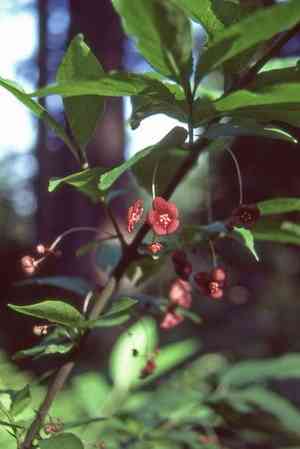
Renowned for its brilliant autumn leaves, Euonymus atropurpureus benefits from judicious trimming to sculpt its form and preserve its vitality. This horticultural task should be performed while the plant is inactive in winter, making precise incisions directly above the points where leaves emerge. Eliminating lifeless or ailing limbs, along with branches that intersect or are too dense, improves air circulation and allows more light to reach the plant. Although extensive trimming isn't necessary, this technique fosters robust development and can avert typical insect problems. Strategic pruning at the appropriate moment safeguards the western burning bush's inherent structure and extends its lifespan.
What Are the Benefits of Pruning Western Burning Bush?
What Are the Benefits of Pruning Western Burning Bush?
Trimming western burning bush promotes vigorous development and maintains its desired structure, fostering a dense and attractive shape. Regular cutting can deter pests and diseases while enhancing plant health and vitality.
What Is the Best Time for Pruning Western Burning Bush?
What Is the Best Time for Pruning Western Burning Bush?
The optimal period to prune western burning bush is from late winter to early spring, just prior to new growth emerging. This timing allows gardeners to easily spot and remove any dead or diseased wood without dense foliage obscuring their view. It also encourages quick healing of cuts as the plant exits dormancy and new shoots appear. Pruning during this window minimizes the risk of western burning bush developing infections, as many pathogens are less active in colder temperatures. Additionally, pruning at the end of the dormant season ensures that the year's flowering and fruiting are not negatively impacted, as western burning bush blooms on new wood. This timing helps western burning bush channel energy into producing strong, healthy shoots for the upcoming growing season.
What Tools Do I Need to Prune Western Burning Bush?
Bypass Pruners
These are perfect for making precise cuts on western burning bush. They enable clean cuts on smaller stems, which is crucial for encouraging healthy regrowth and preventing illness.
Lopping Shears
Western burning bush might have some thicker branches that bypass pruners cannot manage. Lopping shears offer the leverage needed for branches up to approximately 1.5 inches in diameter, which falls within the typical range for this plant.
Pruning Saw
For mature western burning bush with branches exceeding 1.5 inches in diameter, a pruning saw is essential. It allows for clean cuts without harming larger branches that loppers might not be able to handle.
Handheld Hedge Shears
These are useful for shaping western burning bush when it is being maintained as a hedge or for more formal designs. Handheld shears provide greater control over the final look.
Gloves
To shield hands from scratches and ensure a secure grip on the tools while working with western burning bush.
How to Prune Western Burning Bush
Cleanup
Start by removing any dried leaves from western burning bush to prevent fungal issues and promote robust growth. Use hand pruners or gloves to gently detach them from the stems without harming healthy parts of the plant.
Dead branch removal
Identify and cut out dead branches on western burning bush to improve air circulation and light penetration. Make cuts at a 45-degree angle, about 1/4 inch above a bud facing the desired direction of new growth. Use sharp, clean pruning shears or a saw for thicker branches.
Diseased branches
Remove any diseased branches from western burning bush to stop the spread of infection. Disinfect pruning tools before and after use with a solution of 1 part bleach to 9 parts water. Cut well below the affected area, disposing of diseased material away from healthy plants.
Common Pruning Mistakes with Western Burning Bush
Over-pruning
Removing too much growth at once can shock western burning bush, stressing the plant and hindering its development.
Improper cuts
Making cuts too close to the main stem or leaving too long a stub can lead to disease or pest infestation.
Neglecting dead wood
Failing to remove dead or diseased branches can impair western burning bush's health and vigor.
Ignoring natural shape
Pruning without considering western burning bush's natural growth pattern can result in an unnatural appearance and can damage the plant's structural integrity.
Using dull tools
Utilizing dull pruning tools can harm western burning bush's branches and stems, leading to unhealthy cuts that do not heal properly.
Pruning all branches uniformly
Cutting all branches to the same length can discourage the natural varied growth that contributes to western burning bush's attractive form.
Common Pruning Tips for Western Burning Bush
Selective thinning
Focus on thinning out crowded areas to improve air circulation and light penetration within western burning bush, which encourages healthy growth.
Clean cuts
Make clean, diagonal cuts just above a leaf node or lateral branch to promote rapid healing and reduce the risk of disease.
Sterilize tools
Before pruning western burning bush, sterilize all cutting tools to prevent the spread of disease between plants.
Prune for structure
Enhance western burning bush's natural form by identifying and removing any crossing, rubbing, or inward-growing branches.
Renewal pruning
Revitalize western burning bush by pruning older stems to ground level every few years. This stimulates new growth and maintains a vibrant appearance.
Maintenance trimming
Regularly trim western burning bush to remove any dead or damaged branches, as well as to shape the plant, avoiding dramatic size reductions in any one session.



