The Western burning bush Plant Advantage: Maximizing Home and Office Appeal and Wellness
1
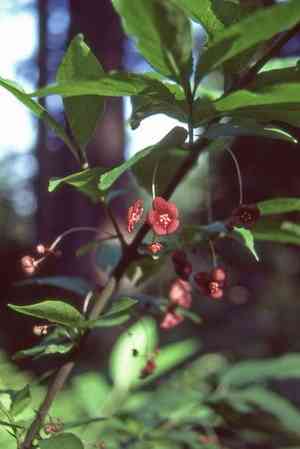
The Western burning bush displays magnificent fall leaves, bringing vivid hues to your outdoor space.
2
This hardy shrub flourishes in diverse soil types, simplifying its cultivation.
3
Western burning bush supplies shelter and sustenance for native animals, fostering ecological variety.
Why Opt for Western Burning Bush in Your Garden?
Visual Allure
Western burning bush is celebrated for its striking appearance, particularly in autumn when its leaves display vivid shades of orange and red. This plant can transform your garden into a colorful sanctuary, making it a focal point of your outdoor area. Whether you aim to create a centerpiece or simply add a burst of color, Western burning bush effectively fulfills this role.
Effortless Upkeep
A primary benefit of Western burning bush is its minimal maintenance needs. This plant is remarkably resilient and can thrive in diverse soil conditions, from well-drained to clay. It also requires little watering once established, making it an excellent choice for gardeners seeking to conserve water without sacrificing beauty. Routine pruning helps maintain its form and encourages healthier development.
Supporting Local Fauna
Western burning bush plays a crucial role in sustaining local wildlife. Its berries and dense foliage provide sustenance and refuge for various birds and small mammals, fostering a thriving ecosystem right in your yard. By planting Western burning bush, you contribute to the local environment, making your garden a haven for biodiversity. Its blossoms can also attract pollinators like bees and butterflies, further enhancing its ecological advantages.
Cultivating and Caring for Western Burning Bush
Optimal Planting Conditions
To ensure Western burning bush thrives in your garden, it's essential to plant it under suitable conditions. This adaptable plant prefers full sun to partial shade and can adjust to a range of soil types. Ideally, plant Western burning bush in a well-draining location to prevent root rot. Autumn and early spring are the best times for planting Western burning bush, as these seasons offer ideal growth conditions.
Watering and Nourishment
While Western burning bush is drought-tolerant once mature, consistent watering is vital during its initial growth phase. Aim to keep the soil consistently moist but not waterlogged. Applying mulch around the base can help retain soil moisture and enhance nutrient absorption. Fertilizing Western burning bush annually in the spring with a balanced, slow-release fertilizer will also promote vigorous growth and vibrant foliage.
Potential Challenges You Might Encounter
Pests and Ailments
Western burning bush is generally resistant to most pests and diseases, but vigilance is always prudent. Aphids and scale can occasionally affect this plant. Regular inspection and prompt intervention, such as using insecticidal soap, can keep these pests in check. Diseases like powdery mildew and root rot can be avoided by ensuring adequate air circulation and proper drainage.
Pruning and Maintenance
Regular pruning helps maintain Western burning bush's shape and encourages healthy development. Prune in late winter or early spring before new growth emerges. Remove any dead or diseased branches to prevent the spread of pathogens. Additionally, thinning out crowded branches can improve air circulation, reducing the risk of fungal infections.



