How to Transplant Wild coco?
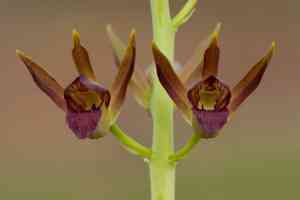
Wild coco flourishes when relocated during the initial to middle part of spring, due to ideal growing circumstances. Select a site with good drainage and ample sunlight for superior outcomes. Should it be required, carefully aerate the earth to foster robust root development, guaranteeing a seamless adjustment for the specimen.
What Preparations are Needed Before Transplanting Wild Coco?
What is the Ideal Time for Transplanting Wild Coco?
The best period to relocate wild coco, a perennial plant, is during early to mid-spring. This timeframe allows the plant to develop its root system prior to the peak growing season, promoting vigorous growth and minimizing transplant shock. Moving it then maximizes nutrient absorption and encourages better adaptation to its new setting.
How Much Space Should You Leave Between Wild Coco Plants?
When moving wild coco, position each plant 18-24 inches (45-60 cm) apart. This spacing guarantees ample room for growth without competition for nutrients and sunlight, leading to healthier plants.
What is the Best Soil Mix for Wild Coco Transplanting?
For wild coco, prepare soil that drains well, using a blend of sand and loam. Enhance it with a balanced base fertilizer to provide nutritional support. Aim for a pH level that is slightly acidic to neutral (6.0-7.0) to create an optimal environment for growth.
Where Should You Relocate Your Wild Coco?
Place wild coco in an area receiving full to partial sunlight. They flourish best with at least 4-6 hours of daily sun exposure. This balance aids in robust plant development and encourages blooming.
What Equipments Should You Prepare Before Transplantation Wild Coco?
Gardening Gloves
To safeguard your hands while handling soil and the plant.
Spade or Shovel
For excavating the plant from its original spot and preparing the new planting hole.
Trowel
To assist with digging and moving smaller quantities of soil.
Pruning Shears
For trimming any dead or damaged roots during the transplanting process.
Watering Can or Hose
To hydrate the plant before and after its relocation.
Wheelbarrow (optional)
For moving the plant if it is large or heavy.
How Do You Remove Wild Coco from the Soil?
How Do You Remove Wild Coco from the Soil?
From Ground: First, water the wild coco plant to moisten the soil. Next, dig a wide trench around the plant using a spade or shovel, ensuring the plant's root ball stays intact. Carefully work the spade beneath the root ball to lift the plant from its initial location.From Pot: Gently water the wild coco plant to loosen the soil. Carefully tilt the pot sideways and tap the bottom to release the plant. Use your hands to gently pull the plant out, being careful not to harm the roots.From Seedling Tray: Lightly water the seedlings to keep the soil damp. Use a trowel or your finger to gently lift each wild coco seedling from the tray, taking care to keep the root system undamaged.
Step-by-Step Guide for Transplanting Wild Coco
Site Preparation
Prepare the new planting location by digging a hole that is twice as wide and the same depth as the wild coco's root ball.
Soil Improvement
Incorporate some compost into the excavated soil to enhance drainage and nutrient content.
Planting
Position the wild coco in the center of the hole. Ensure that the top of the root ball is level with or slightly above the surrounding soil surface.
Backfilling
Refill the hole with the excavated soil, gently firming it around the root ball to eliminate air pockets.
Watering
Thoroughly water the wild coco immediately after planting to help settle the soil and reduce transplant shock.
Mulching
Apply a layer of mulch around the plant's base to help retain moisture and suppress weeds.
How Do You Care For Wild Coco After Transplanting?
Watering
Keep the soil around the wild coco consistently moist, but not waterlogged, for the initial few weeks post-transplant to aid in establishing strong roots.
Monitoring
Regularly inspect the wild coco for any indications of stress or pests, and address issues promptly.
Supporting
If needed, provide stakes or supports to help stabilize the wild coco as it establishes itself in its new spot.
Pruning
Remove any damaged or dead foliage to encourage new growth and lessen stress on the transplanted wild coco.
Troubleshooting Common Issues with Wild Coco Transplantation.
When is the best time to transplant wild coco?
Relocate wild coco in early to mid-spring for optimal outcomes.
Why is spacing important when transplanting wild coco?
Appropriate spacing (18-24 inches or 45-60 cm) ensures sufficient airflow and room for development.
How should I prepare the soil for transplanting wild coco?
Amend soil with organic compost. Ensure it drains well to prevent root rot.
What should I do if wild coco shows signs of stress after transplanting?
Water it deeply and apply a phosphorus-rich fertilizer to support root development.
Can I transplant wild coco if it has flowers?
Avoid moving wild coco when it's blooming to minimize shock and ensure better establishment.
How do I handle the roots of wild coco during transplant?
Gently loosen roots with your fingers and avoid breaking them to ensure healthy growth.
What is the ideal planting depth for wild coco?
Plant wild coco at the same depth it was growing in its previous location.
How often should I water wild coco after transplanting?
Water wild coco consistently but do not overwater. Start with twice a week and adjust as needed.
What type of mulch is best for wild coco?
Use organic mulch, such as straw or bark chips, to retain moisture and regulate soil temperature.
How long does it take for wild coco to establish after transplanting?
It typically takes wild coco a few weeks to start showing new growth, indicating successful establishment.



