How to Propagate Wild coco?
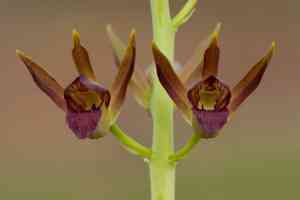
Wild coco, an orchid species, thrives in humid, shaded habitats. The most effective propagation method involves dividing the plant, making sure each section possesses a minimum of one healthy pseudobulb and robust roots. Following division, pot the segments in a free-draining orchid substrate, maintaining a slightly damp condition. This practice stimulates root formation and overall development. Establishing new plants can be a gradual process, so perseverance is essential.
Optimal Period for Wild Coco Propagation?
Propagation Method
Separation
Propagation Period
Spring,Autumn
Tools Required for Wild Coco Propagation?
Sharp Knife or Garden Shears
A keen blade or horticultural snips are vital for precisely severing rhizomes during the division process. These implements should provide a clean, accurate cut to prevent harm to plant tissues and encourage robust regeneration.
Rooting Hormone
Rooting hormone can be applied to the severed ends of divided rhizomes to stimulate quicker root development. This is particularly crucial for wild coco as it aids in establishing new plants more rapidly and vigorously.
Sterilizing Solution
A sanitizing liquid, such as a blend of water and bleach, is essential for disinfecting tools before and after use to avert the spread of illness and infections during wild coco propagation.
Potting Containers
Appropriate potting vessels, like small pots or trays with sufficient drainage, are necessary for housing the divided sections. These containers assist in nurturing the young plants until they are prepared for transplanting.
Well-draining Potting Mix
A free-draining potting medium is crucial for wild coco to ensure that the separated sections do not remain in water, which could lead to decay. A blend comprising orchid bark, perlite, and peat moss is ideal.
Watering Can with Fine Rose
A watering can equipped with a fine rose attachment is preferred for gently irrigating the divided sections without dislodging them or causing excessive soil erosion, ensuring the young plants receive adequate moisture.
Humidity Dome or Plastic Bag
A humidity cover or a transparent plastic bag can be employed to enclose the potting containers, maintaining elevated humidity levels which are advantageous for wild coco during the initial phase of root formation.
How to Propagate Wild Coco?
Propagation Type
Simple
Caring for Your Newly Propagated Wild Coco?
Caring for Your Newly Propagated Wild Coco?
Following wild coco propagation, maintain a consistent watering regimen that keeps the soil damp but not waterlogged, especially during the initial growth phase. Provide indirect light or partial shade, as direct sunlight may scorch new shoots. Apply a balanced, diluted fertilizer monthly to support healthy development. Regularly inspect for pests and diseases, removing any affected parts promptly. Mulch around the plants to retain moisture and suppress weed growth.
Common Errors to Avoid When Propagating Wild Coco
Overwatering
Excessive watering can lead to root decay and fungal ailments, severely impacting wild coco's vitality and propagation success.
Improper Light Conditions
Providing too much direct sun can scorch wild coco's foliage, while insufficient light can hinder growth. Both extremes are detrimental.
Incorrect Substrate
Utilizing a dense or poorly draining soil mix can suffocate wild coco's roots, impeding proper growth and propagation.
Inadequate Humidity
Failing to maintain suitable humidity levels can cause desiccation, which is detrimental to the plant's health and propagation success.
Neglecting Sterilization
Not sterilizing tools and containers can introduce diseases and pests, resulting in poor propagation outcomes.
Advice for Propagating Wild Coco
Moderate Watering
Water wild coco sparingly and allow the soil to dry out between watering sessions to prevent root rot.
Filtered Light
Ensure wild coco receives bright, diffused light to promote healthy growth and avoid leaf burn.
Well-Draining Soil
Utilize a free-draining substrate, such as a mix of orchid bark and perlite, to ensure adequate aeration for the roots.
Maintain Humidity
Keep humidity levels moderate to high by misting regularly or using a humidity tray to support wild coco's growth.
Sterilized Tools
Always use sterilized tools and clean pots to minimize the risk of infection and pest infestation during propagation.



