How to Prune Wild coco?
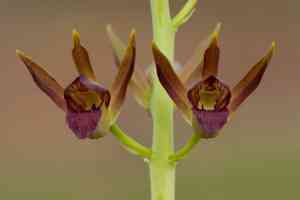
Wild coco, recognized for its impressive blossoms and delicate, reed-like leaves, thrives with trimming mainly in early spring or late winter. Remove faded flower stalks and any lifeless or injured foliage to stimulate vigorous development and improve flowering. Gentle shaping can assist in preserving the plant's form and vitality. Consistent pruning helps avert ailments and encourages strong new growth. Always use sanitized, sharp implements to lessen potential harm and cultivate a more robust plant.
Advantages of Trimming Wild Coco
Advantages of Trimming Wild Coco
Trimming wild coco encourages robust development and helps maintain its form. Consistent pruning fosters healthy growth, prevents illness, and improves the plant's overall look, ensuring it stays strong and well-shaped.
Optimal Period for Trimming Wild Coco
Optimal Period for Trimming Wild Coco
Trimming wild coco during early spring and late winter is best as this period aligns with the plant's inactive phase. Pruning at this time helps minimize plant stress and reduces disease risk. Furthermore, it promotes healthy growth and ensures better blooming during its active growth period. Trimming in these seasons also allows gardeners to effectively shape the plant without hindering its flowering cycle.
Necessary Tools for Trimming Wild Coco
Bypass Pruners
Perfect for precise cuts on living stems and branches without crushing plant tissue.
Sterile Scissors
Useful for detailed trimming and removing dead or dying foliage to prevent disease spread.
Garden Gloves
Protect hands during pruning and handling wild coco to avoid injury from sharp tools.
Disinfectant (e.g., isopropyl alcohol)
Crucial for sanitizing pruning tools before and after use to prevent disease transmission.
How to Trim Wild Coco
Inspect
Examine the plant thoroughly to identify any diseased or withered leaves. Ensure you look under leaves and check for signs of mold, discoloration, or wilting.
Sanitize
Before trimming, sanitize your pruning tools with rubbing alcohol to prevent the spread of disease. This is crucial to maintaining the health and viability of wild coco.
Remove Diseased
Carefully trim away any diseased leaves by cutting close to the base without damaging the stem. Dispose of these leaves immediately to prevent contaminating any other parts of your garden.
Remove Withered
Next, cut off any withered leaves in a similar manner. Make clean cuts to avoid creating jagged edges which can invite disease. Discard the withered leaves appropriately.
Monitor
After trimming, keep an eye on the plant over the next few weeks. Look for any signs of new disease or further withering, and be prepared to repeat the trimming process if needed.
Common Trimming Errors with Wild Coco
Excessive pruning
Removing too much of the plant at once can stress wild coco, leading to reduced growth and flowering. It can also make the plant susceptible to diseases.
Improper cutting technique
Using dull or dirty tools can cause jagged cuts, which make it easier for diseases to enter and can harm wild coco's health.
Trimming at the wrong time
Although the specific timing is omitted here, pruning at inappropriate times can disrupt wild coco's growth cycle and flowering potential.
Neglecting dead or damaged sections
Ignoring dead or damaged parts of wild coco can harbor pests and diseases that can spread to healthy areas of the plant.
Not understanding the growth pattern
Failing to recognize wild coco's growth habit can lead to improper pruning that affects its natural shape and flowering capacity.
General Trimming Advice for Wild Coco
Use clean, sharp tools
Always use sterilized, sharp pruning shears to make clean cuts. This helps prevent disease entry and ensures a smooth healing process for wild coco.
Moderate removal
Only remove a portion of the plant's growth at a time. Start with dead or unhealthy parts before trimming healthy growth sparingly to avoid stressing wild coco.
Identify growth nodes
Pay attention to the nodes where new growth emerges. Make cuts just above these nodes to encourage healthy regeneration and flowering.
Ensure proper airflow
Wild coco benefits from good airflow around its stems and leaves. Prune strategically to open up the plant and reduce the risk of fungal infections.
Regular monitoring
Regularly check wild coco for any signs of disease, pests, or overcrowding. Consistent maintenance helps catch issues early and promotes robust growth over time.



