How to Transplant Mountain ash?
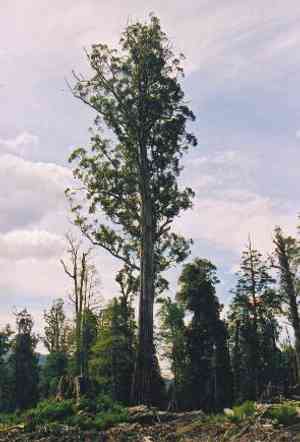
Relocate mountain ash when winter's cold recedes but prior to the peak warmth of summer, facilitating a smooth integration. Choose a sunny location with soil that drains effectively, and ample room for its eventual size. A friendly tip: careful handling is crucial for successful transplantation.
What Preparations are Needed Before Transplanting Mountain Ash?
What is the Ideal Time for Transplanting Mountain Ash?
The optimal period for relocating mountain ash spans from early spring's onset to the brink of summer. During this timeframe, stable weather conditions promote root development, giving mountain ash the best start in its new spot. Moving mountain ash then avoids mid-summer heat stress and leverages spring's natural growth surge, enhancing its chances for a smooth transition and robust growth.
How Much Space Should You Leave Between Mountain Ash Plants?
Before settling mountain ash into its new location, ensure it has ample personal space. Aim for a generous distance of approximately 15-20 meters (49-66 feet) between each plant to allow roots and branches to thrive unhindered.
What is the Best Soil Mix for Mountain Ash Transplanting?
Preparing the ground correctly for mountain ash is like making a comfortable bed. Blend rich, well-drained soil with some aged compost as an initial nutrient boost. A small amount of slow-release, low-phosphorus fertilizer will give mountain ash a strong start.
Where Should You Relocate Your Mountain Ash?
Every plant enjoys a good sun exposure, and mountain ash is no different! Select a location where the sun appears intermittently throughout the dayâeither full sunlight or partial shade works perfectly. This ensures our green companion absorbs all that light.
What Equipments Should You Prepare Before Transplantation Mountain Ash?
Gardening Gloves
To safeguard your hands while handling soil and the plant.
Shovel or Spade
For excavating the plant and the new planting site.
Watering Can or Hose
To hydrate the plant before and after its relocation.
Wheelbarrow
For moving the mountain ash and soil.
Pruning Shears
To trim any damaged roots or branches.
Staking Materials
To provide support for the mountain ash post-transplant if necessary.
How Do You Remove Mountain Ash from the Soil?
How Do You Remove Mountain Ash from the Soil?
From Ground: Water the mountain ash thoroughly to facilitate easier soil manipulation. Dig a wide circle around the plant, ensuring sufficient space to preserve the root ball. Gently loosen the soil and lift the plant, keeping as much of the root ball intact as possible.From Pot: First, water the mountain ash. Then, tilt the pot sideways and carefully ease the mountain ash out. Support the plant by its base and avoid pulling it out by the trunk or branches.From Seedling Tray: Begin by watering the seedling tray well before transplanting. Carefully extract the mountain ash seedling by pushing it up from the cell's bottom or using a small tool to gently remove it without harming the roots.
Step-by-Step Guide for Transplanting Mountain Ash
Preparation
Start by watering the mountain ash thoroughly a day prior to transplanting to ensure the plant is adequately hydrated.
Digging the Hole
Excavate a hole in the ground that is twice as wide and slightly deeper than the mountain ash's root ball.
Placement
Position the mountain ash in the center of the hole, making sure the plant is at the same depth as it was in its original spot.
Refilling
Backfill the hole with the excavated soil, gently compacting it to eliminate any air pockets.
Watering
Water the mountain ash generously immediately after transplanting to settle the soil around its roots.
Stabilizing
If required, install stakes to support the mountain ash and ensure it remains upright.
How Do You Care For Mountain Ash After Transplanting?
Regular Watering
Provide the mountain ash with consistent watering to aid the root system's recovery from transplant shock.
Mulching
Apply a layer of mulch around the mountain ash's base to retain moisture, regulate soil temperature, and reduce weed growth.
Monitoring
Observe the mountain ash for indications of stress, such as wilting or yellowing leaves, and address any issues promptly.
Protection
Safeguard the mountain ash against pests and diseases, and consider using a tree guard to protect it from wildlife or mechanical damage.
Troubleshooting Common Issues with Mountain Ash Transplantation.
What's the best time to transplant mountain ash for healthy growth?
The optimal transplanting period for mountain ash is early to late spring, ideal for root establishment.
How much space does mountain ash require when transplanting?
Ensure a generous 15-20 meters (49-65 feet) between mountain ash trees for optimal growth and development.
What soil conditions favor mountain ash when transplanting?
Plant mountain ash in well-draining soil, slightly acidic to neutral pH, to encourage successful transplantation.
How deep should I dig the hole for mountain ash transplantation?
The hole should be twice as wide and the same depth as the root ball of mountain ash.
Should I prune mountain ash before transplanting, and to what extent?
Lightly prune mountain ash to remove any damaged roots but avoid extensive pruning to maintain energy reserves.
How do I water mountain ash after transplanting?
Water mountain ash thoroughly after transplanting and maintain moist soil, without waterlogging, as roots establish.
Can mountain ash be transplanted on a windy day?
Avoid windy days for transplanting mountain ash to reduce stress and prevent desiccation of foliage and roots.
What kind of mulch is best for mountain ash after transplanting?
Use organic mulch around mountain ash to retain soil moisture, regulate temperature, and reduce weed competition.
How do I protect the transplanted mountain ash from pests?
Regular inspection and gentle, environmentally friendly pest control practices will keep mountain ash healthy.
What growth signs should I look for in mountain ash post-transplant?
Look for new leaf growth and increased stability, signs that mountain ash is adapting well after transplanting.



