Enhancing Your Garden Design with the Mountain ash Plant: A Landscaping Guide
1
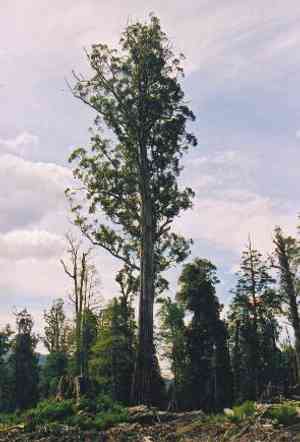
The mountain ash provides continuous visual charm due to its impressive stature and unique bark.
2
It flourishes optimally in soil that drains well and receives abundant sunshine.
3
Consistent trimming encourages a more robust and attractive tree.
The Influence of Mountain Ash on Outdoor Aesthetics
Visual Allure: How Mountain Ash Adds Stature and Texture
A prominent characteristic of Mountain Ash is its impressive elevation, making it an excellent focal point in any garden layout. Its commanding presence not only introduces vertical interest but also contributes a textured layer to the environment. The distinctive bark, which can peel in strips, generates an intriguing visual interplay, especially when combined with other plants possessing contrasting textures. This combination of height and texture enhances the garden's overall visual appeal.
Color Dynamics: Seasonal Transformations in Mountain Ash
Another benefit of incorporating Mountain Ash into your landscape is its seasonal color variations. Throughout the year, it displays different shadesâfrom the fresh, vibrant greens of new leaves in spring to the deeper, more mature tones later in the year. This constantly changing palette ensures your garden remains visually engaging and lively across all seasons. Additionally, these color shifts can complement surrounding flora, creating a harmonious and balanced garden scene.
Natural Habitat: Attracting Wildlife with Mountain Ash
Mountain Ash serves as a crucial habitat for various wildlife species, significantly boosting your garden's biodiversity. Birds, insects, and small mammals are naturally drawn to its foliage and bark. Planting Mountain Ash can establish a sustainable environment, encouraging pollinators and other beneficial creatures to flourish. This not only strengthens the ecological health of your garden but also provides an opportunity to observe and enjoy local wildlife up close.
Choosing the Ideal Location for Mountain Ash in Your Garden
Understanding Soil Requirements for Optimal Growth
The initial step for successfully planting Mountain Ash is to comprehend its soil needs. It thrives in well-drained soil rich in organic matter. To achieve this, you may need to amend your garden soil with compost or other organic materials to ensure it meets these criteria. Testing your soil beforehand can also offer insights into any necessary adjustments, such as pH balancing or improving soil structure, to create perfect growing conditions for Mountain Ash.
Sunlight and Spacing: Key Factors for Thriving Mountain Ash
Mountain Ash performs best with ample sunlightâideally, it should be situated in an area receiving at least six hours of direct sunlight daily. Furthermore, consider spacing when deciding its placement, as it requires sufficient room for its roots and branches to spread. Crowding Mountain Ash may lead to competition for nutrients and sunlight, hindering its growth. Ensuring adequate space around the tree will also provide better airflow, reducing disease risk and promoting stronger, healthier development.
Pairing with Other Plants: Complementary Species for Mountain Ash
To create a cohesive and vibrant garden, consider pairing Mountain Ash with complementary plants. Low-growing ground covers and mid-height shrubs can accentuate its height and create a layered effect in your landscape. Native grasses and flowering plants can enhance biodiversity and establish a more balanced ecosystem. By carefully selecting companion plants, you can highlight Mountain Ash's unique characteristics while ensuring all garden elements work together harmoniously.
Long-term Care and Maintenance Advice for Mountain Ash
Pruning Techniques: Best Practices for Mountain Ash
Regular pruning is vital to maintain the health and form of Mountain Ash. Pruning helps remove dead or diseased branches, promoting airflow and reducing infection risk. The optimal time to prune Mountain Ash is during its dormant period, typically in late winter or early spring. Use clean, sharp tools to make precise cuts just above a bud or branch node. Additionally, avoid excessive pruning, as it can stress the tree and impede its growth.
Monitoring Health: Indicators of Flourishing vs. Struggling Mountain Ash
Keeping a close watch on your Mountain Ash will help you detect any signs of distress early. A flourishing Mountain Ash will display vigorous growth, vibrant foliage, and minimal to no signs of pest damage or disease. Conversely, if you observe wilting leaves, discolored foliage, or unusual growth patterns, these might signal underlying health issues. Regular inspections will enable you to address problems quickly, whether by adjusting watering practices, amending soil, or treating pests.
Seasonal Care Adjustments: Adapting to Changing Weather
Seasonal changes necessitate adjustments in how you care for Mountain Ash. In hotter months, ensure sufficient watering to combat dryness, but avoid over-watering, which can lead to root rot. During colder months, mulching around the base can help retain soil moisture and provide a buffer against freezing temperatures. By anticipating and responding to seasonal variations, you can better support Mountain Ash's health and longevity throughout the year.
Integrating Mountain Ash into Various Landscaping Styles
Modern Landscapes: Utilizing Mountain Ash in Contemporary Designs
Mountain Ash fits well in modern landscape designs due to its clean lines and towering height. It can function as an architectural plant, providing structure and form to the garden. In minimalistic or contemporary designs, the treeâs bark and foliage can offer subtle textures and a natural element, balancing the sleek lines of hardscaping features like concrete or metal. Use Mountain Ash as a statement tree to draw the eye and create a dynamic visual impact.
Traditional Gardens: The Role of Mountain Ash in Classical Settings
In more traditional garden settings, Mountain Ash brings a sense of timelessness and grandeur. Its imposing height and natural grace can complement classical elements such as stone paths, sculpted hedges, and formal flowerbeds. Position Mountain Ash at key focal points, such as the end of a walkway or the center of a circular bed, to anchor the gardenâs design and highlight its stately presence. Its versatility allows it to adapt to various traditional styles, from English cottage to formal French gardens.
Eco-friendly Spaces: Mountain Ash in Sustainable Landscaping
Mountain Ash is an excellent choice for eco-friendly and sustainable landscaping projects. It supports local wildlife and contributes to biodiversity, enhancing the ecological value of your garden. Its deep roots can aid in soil stabilization and water management, making it a beneficial plant for erosion-prone areas. Furthermore, incorporating Mountain Ash into a sustainable garden design underscores a commitment to environmental stewardship, showcasing how aesthetic appeal and ecological responsibility can coexist.



