How to Prune Mountain ash?
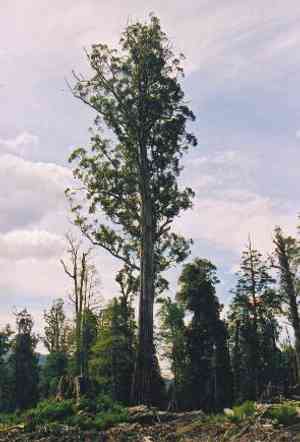
Distinguished by its impressive stature and upright stem, mountain ash flourishes with judicious trimming to eliminate deceased or rival limbs. Key pruning methods involve reducing the density of the canopy to improve light access and airflow, and excising lower branches for improved clearance ('raising'). The timing is crucial; dormant winter phases are optimal for pruning to lessen strain and sap leakage. Trimming mountain ash can decrease the likelihood of branch breakage from wind and snow, fostering a robust, sound framework and extended lifespan.
What Are the Benefits of Pruning Mountain Ash?
What Are the Benefits of Pruning Mountain Ash?
Trimming mountain ash promotes robust development and helps maintain its structural integrity. Strategic branch removal improves light penetration and air circulation, fostering a stronger, healthier specimen with an attractive shape.
What Is the Best Time for Pruning Mountain Ash?
What Is the Best Time for Pruning Mountain Ash?
Pruning mountain ash during Winter is ideal because it is the dormant period for many temperate tree species, including mountain ash. Pruning at this time minimizes stress on the tree, reduces the risk of pest or disease infection, and lessens sap loss, which can be more extensive in growing seasons. Trimming in Winter allows mountain ash to heal and callous over pruning wounds before the spring growth surge, leading to stronger, healthier growth. It also offers the advantage of bare branches, providing better visibility for strategic cutting and shaping of the tree's structure. Furthermore, removing dead or damaged limbs before heavy snowfall or strong winds prevents potential property damage and enhances the overall health and safety of the tree.
What Tools Do I Need to Prune Mountain Ash?
Hand Pruners
For young or small mountain ash saplings, hand pruners are essential for making clean cuts on branches up to 1 inch in diameter, promoting healthy growth and reducing the risk of disease.
Loppers
When dealing with slightly larger branches, normally between 1 and 2 inches thick, loppers will give you the leverage needed to cut through mountain ash branches cleanly without straining.
Pruning Saw
These saws are indispensable for mountain ash branches over 2 inches thick. A pruning saw will allow you to make precise cuts on larger limbs, ensuring that the wound heals properly.
Pole Pruner
Due to the height of mountain ash, a pole pruner may be necessary to reach and prune higher branches safely from the ground. This tool often combines a saw and lopping shears, extending to cut higher branches.
Chainsaw
For mature mountain ash, especially when managing large and tough branches, a chainsaw might be required. This should be used only by experienced gardeners or by hiring professional arborists, as it can be dangerous.
Wood Chipper
After pruning a mature mountain ash, you may have to deal with a large amount of woody material. A wood chipper can be helpful to recycle the debris into mulch for use in the garden.
How to Prune Mountain Ash
Safety
Wear protective gear such as gloves, goggles, and a helmet before starting to prune mountain ash, to protect against falling debris and sharp tools.
Identification
Examine mountain ash carefully, looking for dead or diseased branches which typically appear dry, brittle, and may have discoloration or fungal growth.
Cutting
Use sharp, clean pruning tools such as a pruning saw or loppers to make clean cuts. For dead branches, cut them at the point where they join the main trunk or a healthy branch. For diseased branches, cut well below the affected area to eliminate any hidden infection.
Disinfection
Disinfect your pruning tools after each cut with a solution of 1 part bleach to 9 parts water to prevent spreading disease to healthy parts of mountain ash.
Disposal
Properly dispose of the removed dead and diseased branches by burning or removing them from the site, to prevent any disease from spreading to other plants or back to mountain ash.
Common Pruning Mistakes with Mountain Ash
Overpruning
Removing too much foliage can stress mountain ash, hindering its growth and recovery.
Improper Cuts
Incorrect cutting techniques can lead to disease and decay; always make clean, angled cuts.
Neglecting Tools
Using dull or dirty pruning tools can damage branches and introduce pathogens to mountain ash.
Disregarding Form
Shaping mountain ash without understanding its natural growth can result in an unbalanced, weakened structure.
Ignoring Wounds
Failing to treat large wounds after pruning can leave mountain ash susceptible to pests and diseases.
Removing Large Limbs
Cutting off large limbs incorrectly can cause severe damage to mountain ash and should be avoided unless necessary.
Common Pruning Tips for Mountain Ash
Sanitize Tools
Sterilize all pruning equipment before use to prevent the spread of disease to mountain ash.
Correct Angle
When pruning, make cuts at a slight angle away from the bud to facilitate water runoff and reduce the risk of disease.
Target Debris
Remove dead, diseased, or broken branches to maintain the health and appearance of mountain ash.
Consider Growth
Prune with the natural habit of mountain ash in mind, promoting a strong structure rather than dense foliage.
Healing Large Wounds
For any large wounds resulting from pruning, apply a suitable treatment to facilitate healing and protect mountain ash from infections.
Minimal Pruning
Apply a conservative approach to pruning mountain ash, focusing on the removal of only what is necessary for the health of the plant.



