How to Transplant Narrow-leaved ironbark?
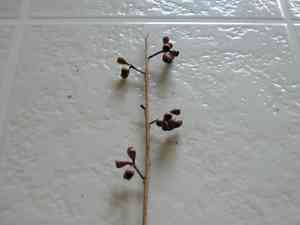
Narrow-leaved ironbark flourishes when relocated from the beginning to the end of spring, since the temperate weather aids in root development. Verify that the site receives ample sunlight and possesses good drainage to foster robust development.
What Preparations are Needed Before Transplanting Narrow-leaved Ironbark?
What is the Ideal Time for Transplanting Narrow-leaved Ironbark?
The best time for relocating narrow-leaved ironbark is from early to late spring. This period allows the plant to benefit from mild temperatures and increased precipitation, which aid in root establishment and development. Warmer soil and extended daylight hours create optimal conditions, enhancing the plant's survival and initial growth post-transplant.
How Much Space Should You Leave Between Narrow-leaved Ironbark Plants?
When transplanting your narrow-leaved ironbark, ensure you provide ample room, approximately 20-26 feet (6-8 meters), between each planting spot. This spacing prevents competition for resources and fosters robust growth.
What is the Best Soil Mix for Narrow-leaved Ironbark Transplanting?
Your narrow-leaved ironbark will flourish in well-drained, sandy or loamy soils. Prior to transplanting, incorporate organic matter such as compost to enrich the soil. Adding a balanced, slow-release fertilizer will supply essential nutrients for the plant's development.
Where Should You Relocate Your Narrow-leaved Ironbark?
Select a sunny spot for transplanting your narrow-leaved ironbark. This plant thrives in full sun, so aim for an area that receives at least 6-8 hours of direct sunlight daily. Adequate sunlight promotes strong and vigorous growth.
What Equipments Should You Prepare Before Transplantation Narrow-leaved Ironbark?
Gardening Gloves
To safeguard your hands while handling soil and the plant.
Shovel or Spade
For digging the new hole and extracting the plant from its original spot.
Garden Fork
To loosen the soil around the plant for easier removal.
Bucket or Tarp
For moving the plant from its initial location to the new planting site.
Watering Can or Hose
To hydrate the plant before and after its relocation.
Garden Trowel
For precise digging and positioning the plant in its new cavity.
Mulch
To help maintain moisture levels around the plant after transplanting.
Stakes and Ties
To provide support for the plant in its new position if needed.
How Do You Remove Narrow-leaved Ironbark from the Soil?
How Do You Remove Narrow-leaved Ironbark from the Soil?
From Ground: First, moisten the narrow-leaved ironbark plant to dampen the soil. Then, excavate a wide trench around the plant using a shovel or spade, ensuring the plant's root ball remains intact. Carefully work the spade beneath the root ball to lift the plant from its original spot.From Pot: Thoroughly water the narrow-leaved ironbark plant. Gently tilt the pot on its side and carefully slide the plant out, supporting the root ball as you do. If the plant resists, lightly tap the pot's sides to loosen the soil.From Seedling Tray: Water the seedlings before removal. Use a garden trowel to gently lift each narrow-leaved ironbark seedling, ensuring soil remains around the roots.
Step-by-Step Guide for Transplanting Narrow-leaved Ironbark
Site Preparation
Clear the chosen area of weeds and debris. Dig a hole that is twice as wide and as deep as the narrow-leaved ironbark plantâs root ball.
Remove Plant
Follow the appropriate extraction method based on the plantâs current location (ground, pot, or seedling tray).
Planting
Position the narrow-leaved ironbark plant in the center of the hole at the same depth it was previously growing. Backfill the hole with soil, taking care not to bury the stem.
Watering
Thoroughly water the narrow-leaved ironbark plant immediately after transplanting to help settle the soil and minimize transplant shock.
Mulching
Apply a layer of mulch around the base of the narrow-leaved ironbark plant to help retain moisture and regulate soil temperature.
Support (if necessary)
Use stakes and ties to support the narrow-leaved ironbark plant in its new location if it appears unstable.
How Do You Care For Narrow-leaved Ironbark After Transplanting?
Watering
Keep the soil around the narrow-leaved ironbark consistently moist, but not waterlogged, for the initial few weeks post-transplant to encourage strong root development.
Monitoring
Regularly inspect the narrow-leaved ironbark plant for signs of transplant shock, such as wilting or yellowing foliage. Provide additional water and care if required.
Pruning
Only remove dead or damaged branches after transplanting to help reduce stress on the plant.
Mulching Maintenance
Periodically check the mulch and replenish it if it has broken down or been displaced, to ensure continuous moisture retention.
Troubleshooting Common Issues with Narrow-leaved Ironbark Transplantation.
When is the best time to transplant narrow-leaved ironbark?
Relocate narrow-leaved ironbark from early spring to late spring for optimal success.
How should I prepare the soil before transplanting narrow-leaved ironbark?
Ensure well-drained soil enriched with organic matter. Test pH for ideal growth conditions.
What is the ideal spacing when transplanting narrow-leaved ironbark?
Space narrow-leaved ironbark 20-26 feet (6-8 meters) apart for healthy growth and development.
How often should I water narrow-leaved ironbark after transplanting?
Water narrow-leaved ironbark deeply twice a week initially, then adjust based on soil moisture.
What is the ideal hole size for transplanting narrow-leaved ironbark?
Dig a hole twice the width and depth of the root ball for narrow-leaved ironbark.
Should I prune narrow-leaved ironbark during transplanting?
Yes, trim any damaged or excessively long roots to promote healthy growth.
How can I protect narrow-leaved ironbark from transplant shock?
Water immediately after planting and use a root stimulant to reduce transplant shock.
What kind of mulch is best for narrow-leaved ironbark after transplanting?
Use organic mulch like bark or wood chips, a 2-3 inch (5-7 cm) layer around narrow-leaved ironbark.
How do I support narrow-leaved ironbark after transplanting?
Stake narrow-leaved ironbark if necessary, but ensure the ties are loose to allow trunk movement.
When can I expect new growth on transplanted narrow-leaved ironbark?
New growth should appear within a few weeks to a couple of months after transplanting.



