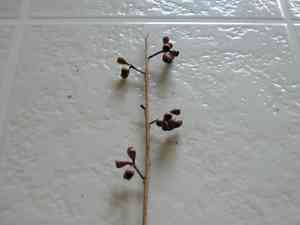
Narrow-leaved ironbark (Eucalyptus crebra)
Also known as: Ironbark
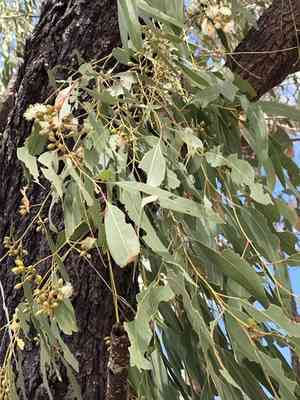
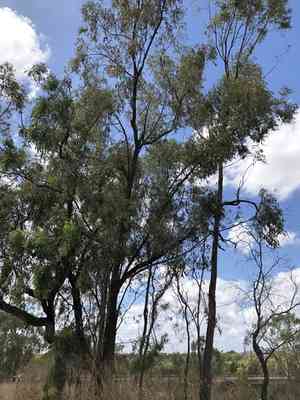
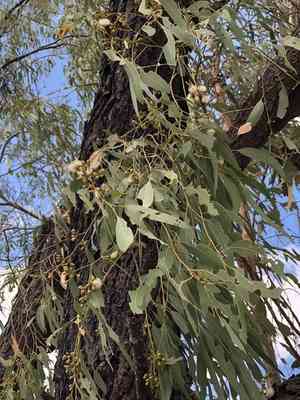
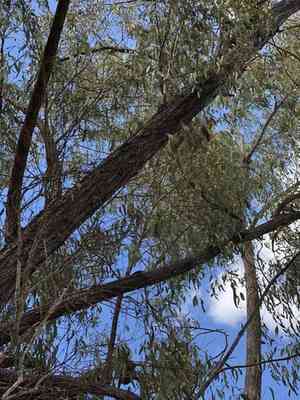
Narrow-leaved ironbark (Eucalyptus crebra) is a tall, upright tree native to eastern Australia. Its dark, rough bark forms deep furrows and contrasts with its narrow, lance-shaped leaves. The tree flourishes in dry, well-drained soils, commonly found in open forests and woodlands. It is well-adapted to withstand drought and fire. The tree occasionally blooms with clusters of white or cream flowers, drawing in a variety of pollinators.
In This Article
Attributes of Narrow-leaved ironbark
Lifespan
Perennial
Plant Type
Tree
Plant Height
35 m
Spread
10 m to 15 m
Leaf Color
Dark green
Flower Size
4 mm to 1.2 cm
Flower Color
White
Images of Narrow-leaved ironbark
Quickly Identify Narrow-leaved ironbark
1
To identify Eucalyptus crebra, look for its narrow, lance-shaped leaves, dark and deeply furrowed bark, and white to pale yellow flowers. The leaves are typically 7-14 cm long and 0.7-1.5 cm wide.
Scientific Classification of Narrow-leaved ironbark
Phylum
Vascular plants
Class
Dicotyledons
Order
Myrtales
Family
Myrtle
Genus
Eucalypts
Species
Narrow-leaved ironbark
Planting and Growing of Narrow-leaved ironbark
Care Difficulty
Easy
Watering Schedule
Every 2 days
Sunlight Requirements
Full sun
Sunshine Duration
6-10 hours
Ideal Temperature
68-86℉
Soil Type
Potting Mix, Peat Mix
Soil pH
6-7.5
Fertilizer Type
Balanced
Pruning Season
Spring, Summer
Pruning Area
Branches, Leaves
Pruning Frequency
Once a year
Repotting Season
Spring
Pot Type
Plastic, Ceramic
 How to Water Narrow-leaved ironbark?
Eucalyptus crebra requires moderate watering. Ensure the soil is moist but not waterlogged. A balanced approach is vital as this plant is drought-tolerant but appreciates consistent moisture. Water until the soil is damp to a depth of 10 cm, which typically equates to around 500 ml per watering.
What are the symptoms of an underwatered Narrow-leaved ironbark?
›
What should I do if my Narrow-leaved ironbark is not getting enough water?
›
What are the symptoms of an overwatered Narrow-leaved ironbark?
›
How to save an overwatered Narrow-leaved ironbark?
›
 What Are the Sunlight Requirements for Narrow-leaved ironbark?
Eucalyptus crebra flourishes best in full sun conditions, receiving 8 to 10 hours daily. This light range supports vibrant foliage, robust growth, and enhances its natural resilience to environmental stresses.
How much sunlight does Eucalyptus crebra need daily?
›
What are the signs of insufficient light for Eucalyptus crebra?
›
What is the ideal sunlight intensity for Eucalyptus crebra?
›
 What Is the Ideal Temperature Range for Narrow-leaved ironbark?
Eucalyptus crebra thrives best in a temperature range of 68°F to 86°F. This temperature range allows for optimal physiological processes, leading to healthy growth and development. Balance within this range ensures proper metabolic activity and minimizes stress factors, which can promote resilience against diseases.
 What Soil is Best for Narrow-leaved ironbark?
Eucalyptus crebra thrives in soils that drain well, preventing waterlogging and protecting the roots from rot. Well-drained soil ensures the plant receives the right amount of air and nutrients, promoting healthy growth. This species benefits from a nutrient-rich base to support its fast growth. A balanced availability of minerals aids in the plant's resilience against diseases and enhances its overall vitality. Eucalyptus crebra prefers soils that offer consistent yet moderate moisture. This balance helps maintain the plant's lush foliage and prevents stress conditions caused by drought or overwatering.
 How to Fertilize Narrow-leaved ironbark?
Eucalyptus crebra, commonly known as narrow-leaved ironbark, doesn't require heavy fertilizing. When applying fertilizers, use a balanced formulation at half the rate recommended for general garden plants. Adjust based on soil tests and tree condition.
 How to Prune Narrow-leaved ironbark?
When pruning Eucalyptus Crebra, always prioritize safety. Wear protective gear, including gloves and safety glasses, to protect yourself from falling branches and sharp tools. Use a sturdy ladder if you need to reach higher branches, and ensure it's placed securely. Choose appropriate tools for different branch sizes: hand pruners for smaller twigs, loppers for medium branches, and a pruning saw for thicker limbs. Sanitizing your tools before and after use is crucial to prevent the spread of disease among plants. Familiarize yourself with Eucalyptus Crebra's natural growth pattern to determine the best approach to pruning. This species can grow quite tall with a dense canopy, so it may require thinning to maintain its shape and promote a stronger structure. Avoid excessive pruning, as this can stress the tree and lead to reduced vigor. Aim to remove only 15-20% of the foliage annually to ensure the tree remains healthy and robust.
More About Pruning Techniques→
 How to Propagate Narrow-leaved ironbark plant?
1
Fill a seed tray with a well-draining potting mix. Moisten the soil evenly without making it soggy. This prepares the substrate for receiving the eucalyptus seeds effectively, allowing them to settle in the soil for germination.
2
Scatter eucalyptus seeds evenly across the prepared tray. Press them lightly into the soil, but do not cover them completely, as they require light for germination. This step ensures the seeds make contact with the soil for hydration.
3
Place the seed tray in a bright area but away from direct sunlight to avoid overheating. Maintain a temperature around 20-25°C for optimal germination. Consistent warmth and light exposure encourage quicker sprouting of seedlings.
 How to Repot Narrow-leaved ironbark plant?
1
Eucalyptus crebra should be repotted when you notice roots emerging from the drainage holes or circling at the pot's surface. Another signal can be water that drains through too quickly, indicating the roots have taken over. Ideally, repot during active growth seasons like spring or early summer, which allows the plant to recover more effectively.
2
Opt for a pot that is about 2 inches larger in diameter than the current one to give the roots room to expand. Terracotta pots are excellent as they provide breathability to the roots, preventing root rot. Ensure it has adequate drainage holes to let excess water escape, aligning with the plant's preference for well-drained conditions.
3
A well-draining potting mix is essential for Eucalyptus crebra. Look for a mix that contains sand, perlite, or fine bark to enhance drainage yet retains enough moisture for the plant's needs. This soil choice mimics the plant's natural environment and helps fend off root diseases that thrive in soggy conditions.
Toxicity
Ingestion
WARNING
The judgment on toxicity and danger is for reference only. We DO NOT GUARANTEE any accuracy of such judgment. Therefore, you SHALL NOT rely on such judgment. It is IMPORTANT TO SEEK PROFESSIONAL ADVICE in advance when necessary.



