How to Propagate Narrow-leaved ironbark?
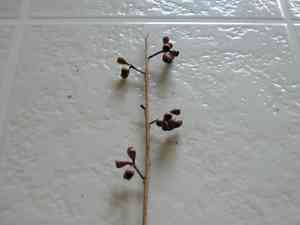
Narrow-leaved ironbark is generally propagated via cutting methods, a favored and effective technique for this species. Specifically, employing semi-hardwood cuttings, gathered from robust, uninfected trees, improves the chances of successful root development. Make sure cuttings are dipped in a rooting compound to encourage development prior to placement in a porous, sandy substrate. This strategy aids in preserving genetic uniformity and strength in subsequent trees.
Optimal Time for Narrow-leaved Ironbark Propagation
Propagation Method
Cutting
Propagation Period
Autumn,Winter
Tools for Narrow-leaved Ironbark Propagation
Pruning Shears
These are vital for taking cuttings from narrow-leaved ironbark, enabling clean, precise cuts without harming the parent plant. Sharp, well-kept shears prevent stem crushing or tearing, which can hinder rooting and raise disease risk.
Rooting Hormone
This product boosts rooting success for narrow-leaved ironbark cuttings by encouraging root growth at the cut end. Applying it to the cutting's base before planting greatly improves propagation chances, especially for tough species like narrow-leaved ironbark that root slowly or with difficulty.
Propagation Tray
Used specifically during the initial cutting propagation phase, these trays help maintain necessary humidity and temperature. They are typically shallow to accommodate new root growth and are made from material that supports moisture retention without waterlogging, crucial for narrow-leaved ironbark's early root development.
Heat Mat
By creating a warm environment, a heat mat aids in better root development for narrow-leaved ironbark cuttings. This tool is especially useful in cooler climates or during colder months when soil temperature might impede root growth. Gentle, consistent heat encourages faster rooting, vital for new plants' survival and establishment.
Sterilizing Solution
Used to clean tools before taking narrow-leaved ironbark cuttings, ensuring all pruning shears and other implements are pathogen-free. This minimizes disease introduction risk to cuttings—a critical factor in narrow-leaved ironbark propagation, as disease can quickly compromise new plants' viability.
How to Propagate Narrow-leaved Ironbark?
Propagation Difficulty
Moderately Difficult
Caring for Your Newly Propagated Narrow-leaved Ironbark
Caring for Your Newly Propagated Narrow-leaved Ironbark?
Once roots are established, gradually introduce narrow-leaved ironbark to less humid conditions by removing any plastic cover. Transplant the cutting into a larger container or directly into the ground in a full-sun location. Narrow-leaved ironbark thrives in well-drained soil and needs regular watering until fully established. Afterward, narrow-leaved ironbark is relatively drought tolerant. Annual mulching and occasional pruning will maintain its health and vigor.
Common Errors to Avoid When Propagating Narrow-leaved Ironbark
Insufficient rooting medium aeration
When propagating narrow-leaved ironbark, gardeners sometimes use rooting mediums that lack adequate airflow. This can lead to waterlogging, causing root rot and poor root development.
Over-watering
Excessive watering is a frequent error in narrow-leaved ironbark propagation. Over-watering can deprive roots of oxygen and encourage fungal growth, both harmful to the plant's health.
Neglecting hygiene
Using contaminated tools or propagation mediums can introduce pathogens to narrow-leaved ironbark. This mistake can result in disease spread, significantly hindering successful propagation.
Tips For Propagating Narrow-leaved Ironbark
Use well-draining medium
Choose a coarse, well-draining propagation medium. This ensures proper moisture retention and aeration, crucial for narrow-leaved ironbark's root development.
Monitor water levels carefully
Provide narrow-leaved ironbark with consistent moisture, but ensure the soil is not waterlogged. Check moisture levels regularly to maintain optimal conditions for root growth.
Sterilize equipment
Before propagation, sterilize all tools and containers used for narrow-leaved ironbark. This prevents disease spread and promotes a healthier growth environment.



