How to Prune Narrow-leaved ironbark?
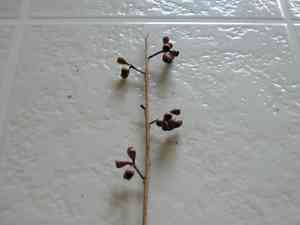
A sturdy, arid-tolerant tree, narrow-leaved ironbark is valued for its decorative bark and leaves. Trimming should primarily take place in the colder months to foster vigorous new growth and preserve its attractive form. Begin by eliminating any lifeless or ailing branches, then reduce the density of the crown to improve air movement and sunlight exposure. Refrain from extensive cutting, as this can cause distress to the tree. Consistent, moderate trimming guarantees health, minimizes the chance of branch failure, and enhances visual appeal, which is crucial for sustaining its decorative worth.
Advantages of Trimming Narrow-leaved Ironbark
Advantages of Trimming Narrow-leaved Ironbark
Trimming narrow-leaved ironbark encourages robust development and maintains its form. Regular trimming ensures strong, healthy branches and an attractive structure, vital for the plant's lifespan and aesthetic appeal.
Optimal Period for Pruning Narrow-leaved Ironbark
Optimal Period for Pruning Narrow-leaved Ironbark
Pruning narrow-leaved ironbark during the winter season is considered ideal because this is when the plant is in its dormant state. During dormancy, sap flow is reduced, which minimizes stress and the risk of sap leakage that can attract pests or lead to illnesses. Furthermore, trimming narrow-leaved ironbark in winter allows for better visibility of the plant's structure, enabling more precise cuts and removal of dead or diseased wood without leaf obstruction. This timing also prevents disrupting the flowering cycle, as narrow-leaved ironbark typically blooms in warmer months after a rest period. Thus, winter pruning supports the health of narrow-leaved ironbark while preparing it for vigorous growth and flowering in spring and summer.
Required Tools for Pruning Narrow-leaved Ironbark
Bypass Pruners
Perfect for making neat and accurate cuts on smaller branches of narrow-leaved ironbark, promoting healthy regrowth and minimizing harm.
Loppers
Essential for reaching higher branches and cutting through thicker stems that bypass pruners cannot manage, providing leverage and increased cutting power for narrow-leaved ironbark.
Pruning Saw
Crucial for removing larger, more mature, and thick branches. The saw enables cutting through the tough, woody tissues of narrow-leaved ironbark without tearing the bark.
Pole Pruner
Useful for accessing the higher branches of narrow-leaved ironbark without needing a ladder, ensuring safety and efficiency in maintaining the tree's shape.
How to Prune Narrow-leaved Ironbark
Identify
Examine narrow-leaved ironbark to locate dead or diseased branches. Dead branches typically appear dry, brittle, and leafless, while diseased branches may show discoloration, unusual growths, or visible damage.
Sanitize
Sterilize all pruning tools using rubbing alcohol or a 10% bleach solution to prevent disease transmission between plants.
Cut
Using sharp, clean pruning shears, cut dead and diseased branches at their point of origin or back to a healthy lateral branch. Make the cut at a slight angle to facilitate water runoff and promote healing.
Dispose
Remove and properly dispose of all cut branches and foliage off-site to prevent the spread of any disease. Do not compost these materials if they are diseased.
Inspect
After pruning, inspect narrow-leaved ironbark for any remaining dead or diseased material and ensure the overall structure of the plant promotes healthy growth.
Common Pruning Errors with Narrow-leaved Ironbark
Over pruning
A frequent error when pruning narrow-leaved ironbark is removing too much of the tree at once. This can stress the tree, leading to reduced growth or even death.
Improper cut locations
Cutting too far from a node or bud, or leaving too large a stub, can impede the healing process and attract pests and diseases.
Flush cutting
Flush cutting against the trunk removes the branch collar, disrupting the tree's natural healing process, increasing susceptibility to infections.
General Pruning Advice for Narrow-leaved Ironbark
Selective pruning
Focus on removing only dead, diseased, or crossing branches. This helps maintain the tree's natural shape and promotes healthier growth.
Correct cut angle
Make cuts at a 45-degree angle about a quarter inch above a bud facing the outside of the plant. This position encourages water runoff and proper growth direction.
Clean tools
Always use sharp, clean pruning tools to make clean cuts that heal more quickly and reduce the risk of spreading diseases.



