How to Transplant Cushion foxtail cactus?
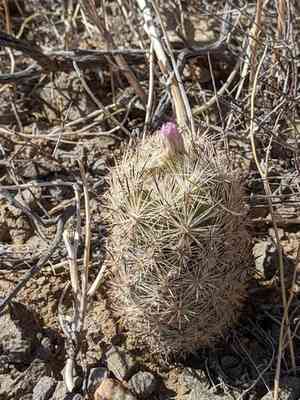
The cushion foxtail cactus flourishes when moved in the mild period of mid-to-late spring or early summer, since the warmer ground assists in root development. Select a bright, adequately draining spot. Prevent transplant stress by guaranteeing minimal disruption to the roots.
What Preparations are Needed Before Transplanting Cushion Foxtail Cactus?
What is the Ideal Time for Transplanting Cushion Foxtail Cactus?
The best time to move cushion foxtail cactus is from mid-spring to early summer. This period ensures the ground is warm enough for root development and avoids the harshness of peak summer heat. Relocating during this window promotes strong growth and better adaptation, allowing the perennial to flourish in its new spot.
How Much Space Should You Leave Between Cushion Foxtail Cactus Plants?
Allow your cushion foxtail cactus ample room to expand by placing each plant 12-18 inches (30-45 cm) apart. This prevents crowding and guarantees sufficient area for them to thrive.
What is the Best Soil Mix for Cushion Foxtail Cactus Transplanting?
Prepare soil that drains well, mixed with coarse sand or small stones. Adding a base layer of cactus-specific plant food will help meet cushion foxtail cactus's nutritional needs. Steer clear of heavy or clay-like soils.
Where Should You Relocate Your Cushion Foxtail Cactus?
Select a sunny location that gets at least 6 hours of direct sunlight daily. This spot is crucial for cushion foxtail cactus to prosper and mimic its native desert environment.
What Equipments Should You Prepare Before Transplantation Cushion Foxtail Cactus?
Gardening Gloves
To safeguard your hands while handling soil and the plant.
Shovel or Spade
For digging around the plant and creating the new planting site.
Garden Trowel
For more precise excavation, especially when moving from a pot or seedling tray.
Wheelbarrow
To move the plant if it's large or if the new spot is distant.
Watering Can or Hose
To hydrate the plant before and after its relocation.
Plant Markers
To identify the new position and keep track of moved plants.
Mulch
To help maintain moisture and stabilize soil temperature post-transplant.
How Do You Remove Cushion Foxtail Cactus from the Soil?
How Do You Remove Cushion Foxtail Cactus from the Soil?
From Ground: First, moisten the soil around the cushion foxtail cactus plant. Then, dig a wide trench around the plant using a shovel or spade, ensuring the plant's root ball stays intact. Carefully work the spade beneath the root ball to lift the plant from its original spot.From Pot: Water the cushion foxtail cactus plant thoroughly to facilitate removal. Gently turn the pot on its side and tap the bottom to loosen the soil and roots. Slide the plant out, being careful to keep the root ball whole.From Seedling Tray: Water the cushion foxtail cactus plant to make the soil easier to manage. Use a garden trowel to gently lift the seedling, ensuring you retrieve as much of the root system as possible. Handle the seedling by its leaves to avoid harming the delicate stem.
Step-by-Step Guide for Transplanting Cushion Foxtail Cactus
Site Preparation
Choose a location with suitable conditions for your cushion foxtail cactus, ensuring ample room for growth. Dig a hole that is twice the width and the same depth as the cushion foxtail cactus's root ball.
Removal
Follow the appropriate removal method based on the cushion foxtail cactus's original location.
Transplanting
Place the cushion foxtail cactus in the middle of the prepared hole. Ensure the top of the root ball is level with the surrounding soil. Fill the hole with soil, gently firming it around the plant's base to remove air pockets.
Watering
Water the cushion foxtail cactus thoroughly to settle the soil around its roots. Ensure the water soaks the root zone but does not leave the area waterlogged.
Mulching
Apply a layer of mulch around the base of the cushion foxtail cactus to help retain moisture and regulate soil temperature.
How Do You Care For Cushion Foxtail Cactus After Transplanting?
Watering
Keep the soil around the cushion foxtail cactus consistently damp, but not saturated, for the initial weeks after transplanting to aid in root establishment.
Pruning
Remove any damaged or diseased parts of the cushion foxtail cactus to encourage healthy development.
Monitoring
Regularly inspect the cushion foxtail cactus for indications of stress or pests and take necessary action if observed.
Sun Protection
If relocating during warmer months, consider providing temporary shade to shield your cushion foxtail cactus from intense sunlight until it settles in.
Troubleshooting Common Issues with Cushion Foxtail Cactus Transplantation.
When is the best time to transplant cushion foxtail cactus?
Move cushion foxtail cactus between mid-spring and early summer for optimal growth and reduced stress.
How much space should I leave between cushion foxtail cactus plants?
Space cushion foxtail cactus plants 12-18 inches (30-45 cm) apart for healthy root expansion and airflow.
How deep should I plant cushion foxtail cactus?
Plant cushion foxtail cactus at its previous growing depth, ensuring the root ball is covered.
What type of soil is best for cushion foxtail cactus?
Use well-draining, sandy or gravelly soil for cushion foxtail cactus to prevent root rot and ensure proper growth.
How do I prepare the new site for cushion foxtail cactus?
Loosen the soil and amend with gravel or sand to improve drainage before transplanting cushion foxtail cactus.
How can I minimize root damage during transplanting?
Gently remove cushion foxtail cactus with as much intact root ball as possible, keeping soil around roots undisturbed.
Should I water cushion foxtail cactus immediately after transplanting?
Yes, water cushion foxtail cactus thoroughly after transplanting to help the roots settle and reduce shock.
How much sunlight does cushion foxtail cactus need?
Ensure cushion foxtail cactus receives full sun, about 6-8 hours of direct sunlight, for optimal growth.
Can I transplant cushion foxtail cactus if it's already flowering?
Avoid transplanting cushion foxtail cactus during flowering; wait until blooms have faded to reduce stress on the plant.
How can I support cushion foxtail cactus after transplanting?
Mulch around cushion foxtail cactus to retain moisture, regulate temperature, and suppress weeds, but avoid touching the stem.



