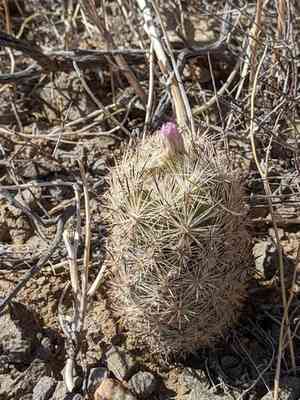
Cushion foxtail cactus (Escobaria alversonii)
Also known as: Alverson's Pincushion, Alverson's Coryphantha
The cushion foxtail cactus, native to arid landscapes, captivates succulent enthusiasts with its compact, globular form, often growing in clumps. Its surface is adorned with dense, short spines, providing both protection and an appealing texture. The cactus is especially admired for its vivid pink or magenta blooms that stand out against its green or blue-green body. Its resilience and minimal care needs further enhance its desirability among collectors.
In This Article
Attributes of Cushion foxtail cactus
Lifespan
Perennial
Plant Type
Succulent
Plant Height
0 mm to 30 cm
Spread
5-10 cm
Leaf Color
N/A (Cacti typically do not have traditional leaves)
Flower Size
2.5-3.5 cm
Flower Color
Pink to magenta
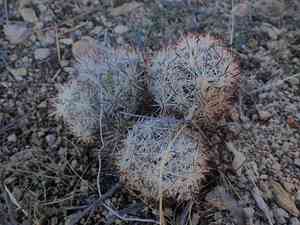
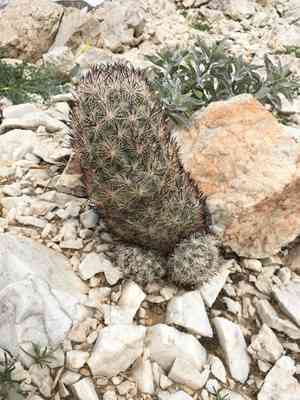
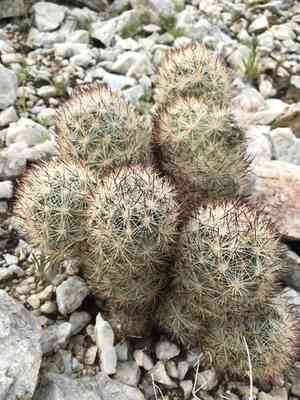
Images of Cushion foxtail cactus

Quickly Identify Cushion foxtail cactus
1
Escobaria alversonii can be identified by its small size, cylindrical to spherical stem structure, and dense clusters of radial spines. The flowers are typically pink to magenta and bloom from the top of the stem.
Scientific Classification of Cushion foxtail cactus
Phylum
Vascular plants
Class
Dicotyledons
Order
Caryophyllales
Family
Cactuses
Genus
Foxtail cactus
Species
Cushion foxtail cactus
Planting and Growing of Cushion foxtail cactus
Care Difficulty
Moderate
Watering Schedule
Every day
Sunlight Requirements
Full sun
Sunshine Duration
6-10 hours
Ideal Temperature
65-80℉
Soil Type
Potting Mix, Peat Mix
Soil pH
6.5-7.5
Fertilizer Type
Balanced
Pruning Season
Spring, Summer
Pruning Area
Branches, Leaves
Pruning Frequency
2 times a year
Repotting Season
Spring
Pot Type
Plastic, Ceramic
 How to Water Cushion foxtail cactus?
For Escobaria alversonii, aim to water with about 50 ml of water each time. This plant requires a small amount due to its native arid environment, where quick drainage and dry intervals allow it to thrive. Ensure water penetrates the soil but does not pool.
What are the symptoms of an underwatered Cushion foxtail cactus?
›
What should I do if my Cushion foxtail cactus is not getting enough water?
›
What are the symptoms of an overwatered Cushion foxtail cactus?
›
How to save an overwatered Cushion foxtail cactus?
›
 What Are the Sunlight Requirements for Cushion foxtail cactus?
Escobaria alversonii ideally thrives in conditions that offer full to partial sunlight, replicating its native desert environment. Access to ample light promotes energy capture, essential for photosynthesis, leading to vigorous growth and flowering.
Optimal Sunlight
›
Lighting Strategies
›
Benefits of Proper Lighting
›
 What Is the Ideal Temperature Range for Cushion foxtail cactus?
Escobaria alversonii thrives in temperatures between 65°F and 80°F. This range ensures optimal growth and health, providing sufficient warmth without causing stress. Maintaining this climate helps mimic their natural desert habitat, promoting vigorous growth.
 What Soil is Best for Cushion foxtail cactus?
Escobaria alversonii thrives in well-drained soil that mimics its natural desert environment. Ensuring good drainage can prevent root rot and provide necessary air pockets for healthy root growth. A slightly alkaline soil helps in maintaining the nutrient availability for Escobaria alversonii, enhancing its ability to absorb essential minerals efficiently, supporting robust growth. The plant prefers soil low in organic matter, reducing excessive moisture retention which can lead to fungal issues. This characteristic also replicates the plant’s native conditions, promoting healthier growth.
 How to Fertilize Cushion foxtail cactus?
For Escobaria alversonii, apply a diluted liquid cactus fertilizer at half the recommended strength. This ensures that the nutrient needs of this desert plant are met without overwhelming its sensitive root system. Over-fertilizing can harm the plant, so it's best to err on the side of caution.
 How to Prune Cushion foxtail cactus?
Use a sharp, sterilized pair of scissors or pruning shears to carefully remove any dead or shriveled stems. Aim to prune during its active growing seasons of spring or summer to ensure quick healing and minimize stress on the plant. If your Escobaria alversonii grows unevenly, cut back the overgrown sections slightly. This helps in achieving a more symmetrical appearance and ensures that light is evenly distributed across the plant's surface. To boost flowering, remove spent flowers after they have wilted. This not only tidies up the plant but also liberates resources for future blossom production, helping the cactus remain healthy and vibrant.
More About Pruning Techniques→
 How to Propagate Cushion foxtail cactus plant?
1
Start by acquiring high-quality seeds. Clean and pre-treat them if necessary by soaking in water overnight to improve germination rates. This step is critical for successful seed propagation.
2
Select healthy stems and cut them at an angle with a sharp knife. Ensure each cutting is at least a few inches long and has multiple nodes to encourage rooting and vegetative growth.
3
Prepare well-draining soil and plant seeds or cuttings at the right depth. Don't overcrowd as proper spacing ensures adequate air circulation and helps reduce disease pressure.
 How to Repot Cushion foxtail cactus plant?
1
Repot Escobaria alversonii when you notice roots peeking out of the drainage holes or the plant appears too large for its current pot. These signs mean the plant needs more space to grow. Spring or early summer is an ideal time because it's the plant's active growing season, allowing it to recover quickly.
2
Select a pot that's slightly larger than the current one, with ample drainage holes. A terracotta pot is ideal for its breathable nature, which prevents overwatering and maintains better soil aeration. The additional drainage holes ensure excess water can escape, protecting the cactus's roots from rot.
3
Use a well-draining cactus mix to replicate Escobaria alversonii's natural habitat. This type of soil prevents water retention around the roots, which can lead to rot, and provides the necessary nutrients to support the cactus's growth. Adding perlite or sand further improves drainage and soil structure.



