How to Propagate Cushion foxtail cactus?
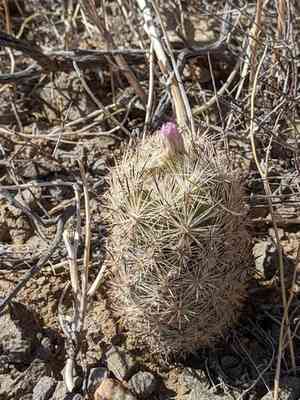
The cushion foxtail cactus, a compact and hardy succulent from dry environments, is recognized by its dense, cushion-like formations and blossoms ranging from white to pink. To multiply this cactus, plant seeds in a substrate that drains effectively, blended with sand or fine gravel. Keep the growing medium consistently somewhat damp and ensure proper air circulation. Refrain from excessive watering to avert decay. Shield young plants from direct sun exposure until they are well-rooted.
Optimal Time for Cushion Foxtail Cactus Propagation
Propagation Method
Sowing
Propagation Period
Spring
Tools for Cushion Foxtail Cactus Propagation
Seed Trays
Utilized for sowing cushion foxtail cactus seeds in a controlled setting. These trays aid in organizing tiny seeds and offer an ideal environment for germination.
Cactus Soil Mix
A specialized substrate blend ensuring proper drainage and aeration, vital for cushion foxtail cactus germination and development. This mix prevents waterlogging and root decay.
Heating Mat
Maintains a consistent soil temperature, essential for cushion foxtail cactus seed germination. The correct temperature range can significantly boost propagation success.
Humidity Dome
Placed over seed trays to maintain high humidity. This prevents seeds from drying out and promotes successful germination of cushion foxtail cactus.
Spray Bottle
Used to lightly mist the soil, keeping it uniformly moist without over-saturating, crucial for delicate cushion foxtail cactus seedlings.
Fine Mesh Sieve
Helps remove large debris from the soil mix, ensuring a fine, even medium for cushion foxtail cactus seeds to sprout.
Labeling Stakes
Assists in tracking the sowing date and variety of cushion foxtail cactus, ensuring proper monitoring and care during germination.
Tweezers
Precise instruments for handling tiny cushion foxtail cactus seeds during sowing, minimizing damage risk and ensuring accurate placement.
Propagating Cushion Foxtail Cactus
Propagation Difficulty
Easy
Post-Propagation Care for Cushion Foxtail Cactus
Post-Propagation Care for Cushion Foxtail Cactus
After transplanting, allow cushion foxtail cactus seedlings to dry slightly between waterings to prevent root rot. Provide ample light, ideally in a bright spot with partial shade, as excessive direct sun can scorch young plants. Ensure good air circulation to minimize fungal disease risk. As they mature, gradually introduce them to longer periods of direct sunlight. Fertilize sparingly with a diluted cactus fertilizer during the growing season to encourage healthy growth. Regularly check for pests and address any infestations promptly.
Common Errors to Avoid When Propagating Cushion Foxtail Cactus
Overwatering
Leads to root rot, which can be fatal for cushion foxtail cactus, as it is highly sensitive to excessive moisture.
Using Inappropriate Soil
Standard potting soil retains too much moisture, causing roots to suffocate and decay.
Incorrect Light Exposure
Insufficient or overly intense light can stress cushion foxtail cactus, impeding its growth and successful propagation.
Poor Air Circulation
Lack of airflow can encourage mold and fungal growth, detrimental to cushion foxtail cactus's health.
Improper Handling
Rough or careless handling during propagation can damage the plant's delicate structure, hindering new growth.
Cushion Foxtail Cactus Propagation Tips
Well-Draining Soil
Utilize a cactus or succulent mix to ensure proper drainage, preventing root rot.
Moderate Watering
Water sparingly and allow the soil to completely dry out between waterings.
Filtered Light
Provide bright, indirect sunlight to mimic cushion foxtail cactus's natural habitat.
Ensure Airflow
Place cushion foxtail cactus in a location with good air circulation to prevent fungal issues.
Gentle Handling
Handle cushion foxtail cactus with care to avoid damaging its structure and use tools designed for small cacti if possible.



