How to Prune Cushion foxtail cactus?
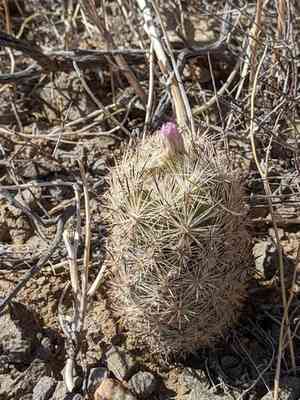
The cushion foxtail cactus is a compact, clump-forming succulent characterized by prominent thorns and diminutive blossoms. Trimming should occur in the initial part of spring or the latter portion of winter. Remove any lifeless or injured sections, along with any excessively developed regions, to preserve its form. Employ disinfected implements to avert contamination. This practice stimulates robust development and diminishes the likelihood of ailments, thereby improving the plant's aesthetic and lifespan. Always don protective gloves to guard against the spines. Consult reputable gardening resources for comprehensive maintenance instructions.
What Are the Benefits of Pruning Cushion Foxtail Cactus?
What Are the Benefits of Pruning Cushion Foxtail Cactus?
Cushion foxtail cactus thrives with pruning, promoting robust growth and maintaining its form. Pruning manages size, improves overall look, and aids in pest and disease resistance, ensuring cushion foxtail cactus stays healthy and visually appealing.
What Is the Best Time for Pruning Cushion Foxtail Cactus?
What Is the Best Time for Pruning Cushion Foxtail Cactus?
Pruning cushion foxtail cactus in early spring or late winter is ideal as it aligns with the plant's dormant phase. During dormancy, cushion foxtail cactus's growth slows, reducing stress and potential harm from pruning. Furthermore, pruning before the active growing season allows the plant to recover and encourages healthier development as it enters its active cycle. Avoid pruning during peak growth or flowering to prevent disrupting its natural growth and blooming patterns.
What Tools Do I Need to Prune Cushion Foxtail Cactus?
Sharp Pruning Shears
Crucial for precise cuts on small stems and pads. Ensure sharpness to prevent crushing plant tissue.
Long-Handled Tongs
Helpful for reaching and manipulating the plant without risk of spine injury.
Protective Gloves
Thick, durable gloves are essential to shield hands from spines during pruning.
Isopropyl Alcohol Wipes
For sanitizing tools before and after use to prevent disease transmission.
How to Prune Cushion Foxtail Cactus
Assessment
Inspect cushion foxtail cactus for any diseased or withered leaves, focusing on areas showing discoloration, rot, or wilting.
Tools preparation
Prepare sterilized pruning shears or a sharp knife to prevent disease spread.
Precision removal
Carefully trim diseased leaves from cushion foxtail cactus at the base of the damaged area, ensuring not to cut into healthy tissue.
Disinfection
Disinfect your tools before moving to another plant part to prevent contamination.
Disposal
Properly discard removed leaves in a sealed bag away from other plants to minimize disease spread.
Common Pruning Mistakes with Cushion Foxtail Cactus
Over-pruning
Excessive removal of stems and pads can harm cushion foxtail cactus, as this species typically requires minimal pruning.
Using inappropriate tools
Using dull or dirty tools can cause damage and increase the risk of infection. Always use clean, sharp scissors or garden shears.
Poor technique
Incorrect cutting angles or uneven cuts can create wounds that don't heal well, making the plant susceptible to disease.
Pruning at the wrong time
Although the best season for pruning was excluded from this section, pruning outside the recommended periods can stress the plant.
Common Pruning Tips for Cushion Foxtail Cactus
Sanitize tools
Always disinfect your pruning tools before and after use to prevent the spread of diseases.
Make clean cuts
Ensure cuts are clean and precise. This helps the plant heal quickly and reduces the risk of infection.
Use gentle handling
Handle cushion foxtail cactus carefully to avoid unnecessary damage, as the plant's tissues are sensitive.
Minimal pruning
Limit pruning only to remove dead, damaged, or diseased parts. Cushion foxtail cactus generally needs very little pruning to stay healthy.
Observe plant structure
Understand the natural form of cushion foxtail cactus and prune in a way that maintains its structural integrity and aesthetic appearance.



