How to Transplant King of the alps?
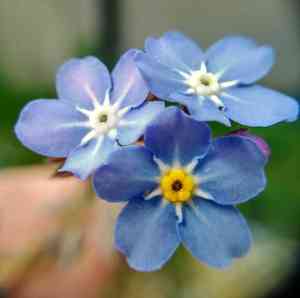
To ensure a thriving relocation, embed king of the alps in your outdoor space from late spring to early summer. Choose a luminous, mountainous-style location, making certain the substrate replicates their indigenous, coarse composition for peak development.
What Preparations are Needed Before Transplanting King Of The Alps?
What is the Ideal Time for Transplanting King Of The Alps?
Move king of the alps during the period of new growth, typically from late spring to early summer. Relocating king of the alps at this time promotes root development without the strain of extreme temperatures. Performing the transplant during this season allows king of the alps to adapt smoothly, benefiting from moderate soil warmth and extended daylight, which are optimal for growth.
How Much Space Should You Leave Between King Of The Alps Plants?
When relocating your king of the alps, you'll want to provide ample room for each plant to flourish. Target a spacing of approximately 4-6 inches (10-15 cm) apart. This ensures each king of the alps has sufficient area for development and access to nutrients without competition.
What is the Best Soil Mix for King Of The Alps Transplanting?
Your king of the alps will thrive in a well-draining soil abundant in organic material. Incorporate some compost or a balanced, slow-release fertilizer into the soil to give your king of the alps an excellent start. Aim for a pH that is slightly acidic to neutral (ideal range of 5.5 to 7.0).
Where Should You Relocate Your King Of The Alps?
Select a location for your king of the alps that receives full sun to partial shade. They will require at least 4 hours of direct sunlight daily, but will appreciate some shelter from the most intense midday rays. A site that mimics their preferred cool, alpine conditions is perfect.
What Equipments Should You Prepare Before Transplantation King Of The Alps?
Gardening Gloves
To safeguard your hands while handling soil and plants.
Trowel or Garden Spade
For digging and shifting soil during the relocation process.
Watering Can or Hose with a Water Breaker
For gentle irrigation before and after the transplant.
Garden Fork
To help loosen the soil around the plant's roots if extracting from the ground.
Pruning Shears
To trim any damaged or excessively long roots or foliage.
Wheelbarrow or Garden Cart
To transport the king of the alps if it's large or to move soil and compost.
Measuring Tape or Stick
To maintain appropriate spacing between multiple transplanted specimens.
How Do You Remove King Of The Alps from the Soil?
How Do You Remove King Of The Alps from the Soil?
From Ground: First, hydrate the king of the alps plant to moisten the soil, making it easier to manage. Use a garden fork to carefully loosen the soil surrounding the plant, taking care not to harm the root ball. Once the soil is loose, gently slide the trowel or garden spade beneath the root ball, lifting the king of the alps with as much soil attached as possible.From Pot: Before extracting the king of the alps from its container, ensure the soil is damp to prevent root stress. Gently tap the sides of the pot to dislodge the plant. Turn the pot on its side and pull the king of the alps out by grasping the base of the plant, not the stem. Be careful not to pull too forcefully to avoid root damage.From Seedling Tray: Water the seedlings to ensure the soil is moist. Use a spoon or a small trowel to carefully scoop out the king of the alps seedlings along with their root ball from the tray. Handle the seedlings by the soil or root ball, not the delicate stem or leaves.
Step-by-Step Guide for Transplanting King Of The Alps
Plant Preparation
Before extracting the king of the alps from its current spot, ensure it's thoroughly watered. This will help minimize shock and preserve the root ball's integrity during the move.
Excavation
Dig a hole in the new location that is twice the width of the king of the alps's root ball but no deeper than the plant was growing in its original setting. Creating a wide hole allows roots to spread more easily.
Placement
Carefully position the king of the alps in the center of the new hole. The plant should rest at the same depth it was previously, with the top of the root ball level with the ground surface. Adjust the hole's depth if necessary.
Soil Enrichment
If the soil at the new site is poor or compacted, blend some compost with the native soil. This will enhance soil texture and provide nutrients as the king of the alps establishes itself.
Refilling the Hole
Gently backfill the hole around the root ball with the native soil or enriched soil mix. Avoid compacting the soil heavily, as this can harm the roots and hinder water drainage.
Watering
After refilling the hole, water the king of the alps thoroughly to settle the soil around the roots and eliminate air pockets. Ensure the water penetrates deeply to encourage roots to grow downward.
How Do You Care For King Of The Alps After Transplanting?
Monitoring
Observe the king of the alps for indications of transplant shock, which may appear as wilting, leaf drop, or stunted growth. This is somewhat normal, but prolonged symptoms might require intervention.
Stabilizing Support
If the king of the alps is tall or top-heavy, provide it with a stake or support to prevent it from bending or breaking. This is particularly crucial in areas with strong winds.
Mulching
Apply a layer of organic mulch around the base of the king of the alps to retain moisture, keep the roots cool, and suppress weeds. Leave some space around the stem to prevent rot.
Regular Watering
Establish a watering routine to keep the soil consistently moist, allowing the king of the alps to develop a robust root system. Water deeply and less frequently to encourage roots to seek moisture below the surface.
Observing Growth
As the king of the alps grows, adjust care as needed. If the plant appears to be thriving, continue with your routine. If it seems to struggle, reassess and modify your care strategy accordingly.
Seasonal Adjustments
Be mindful of seasonal changes that impact watering needs and the potential for frost. The king of the alps may require additional protection during extreme temperatures or weather events.
Troubleshooting Common Issues with King Of The Alps Transplantation.
What's the optimal timeframe for transplanting king of the alps?
The ideal period for relocating king of the alps is from mid-spring to the beginning of summer.
How far apart should I space king of the alps when transplanting?
Aim for a comfortable spacing of about 4 to 6 inches (10 to 15 cm) between each king of the alps.
Should I water king of the alps immediately after transplanting?
Absolutely! Gentle watering right after transplanting helps king of the alps settle into its new environment.
Can I transplant king of the alps on a sunny day?
Indeed, but choose a cool, overcast day or evening to minimize transplant stress.
What soil type is best for transplanting king of the alps?
Prefer well-draining, loamy soil rich in organic matter to welcome king of the alps's roots.
How deep should the hole be for transplanting king of the alps?
Dig a snug hole just deep enough to accommodate the root ball of king of the alps.
Can king of the alps be transplanted during blooming?
Transplanting during bloom is risky; it's better to wait until the flowers have faded.
What signs indicate king of the alps is struggling after transplant?
Wilting, yellowing leaves, or a halt in growth are clear indicators of distress.
How to protect king of the alps from pests post-transplant?
Utilize organic mulches and diligent inspections to shield king of the alps from unwanted critters.
How do I know if king of the alps is properly rooted post-transplant?
Consistent growth and vibrant green foliage signal successful rooting for king of the alps.



