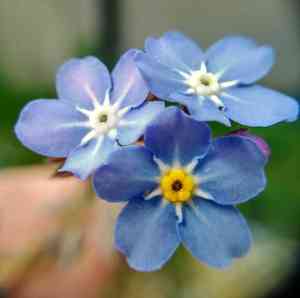
King of the alps (Eritrichium nanum)
Also known as: Herald of heaven, Dwarf forget-me-not, Arctic forget-me-not
The sky herald, a perennial herbaceous plant, typically grows to a height of 2 to 5 centimeters. It has a tufted growth habit and can live for up to 30 years. Many of its leaf rosettes are sterile. The leaves are glossy and can range from silky to woolly in texture, with a lanceolate shape measuring 5 to 10 millimeters in length.
In This Article
Attributes of King of the alps
Lifespan
Perennial
Plant Type
Herb
Plant Height
5 cm to 8 cm
Spread
8 cm to 10 cm
Leaf Color
Pale green to grayish-green
Flower Size
2.5 cm
Flower Color
Blue
Images of King of the alps
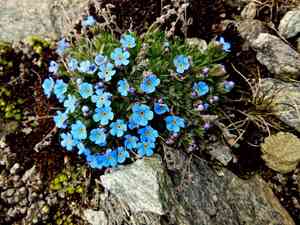
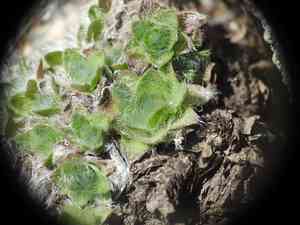
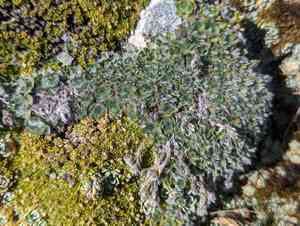
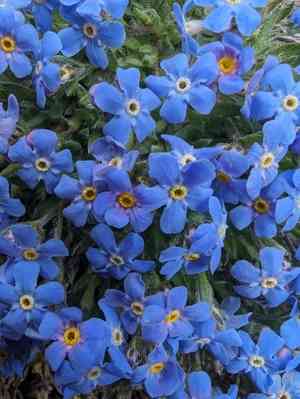
Quickly Identify King of the alps
1
Look for the small, bright blue, five-petaled flowers and the dense mats of hairy leaves that grow close to the ground. Typically found at high altitudes in rocky and alpine environments.
Scientific Classification of King of the alps
Phylum
Vascular plants
Class
Dicotyledons
Order
Boraginales
Family
Borage
Genus
Eritrichium
Species
King of the alps
Planting and Growing of King of the alps
Care Difficulty
Hard
Watering Schedule
Every day
Sunlight Requirements
Full sun
Sunshine Duration
4-6 hours
Ideal Temperature
50-65℉
Soil Type
Potting Mix, Peat Mix
Soil pH
6.5-7.5
Fertilizer Type
Balanced
Pruning Season
Spring, Summer
Pruning Area
Branches, Leaves
Pruning Frequency
2 times a year
Repotting Season
Spring
Pot Type
Plastic, Ceramic
 How to Water King of the alps?
The watering amount for Eritrichium nanum should be moderate, around 50 milliliters per session, just enough to moisten the soil without waterlogging it. It's crucial to ensure the soil is well-drained to mimic its natural alpine environment.
What are the symptoms of an underwatered King of the alps?
›
What should I do if my King of the alps is not getting enough water?
›
What are the symptoms of an overwatered King of the alps?
›
How to save an overwatered King of the alps?
›
 What Are the Sunlight Requirements for King of the alps?
Eritrichium nanum thrives best in areas with full sun to partial sun exposure, which promotes robust growth, deep coloration, and adaptive resistance to environmental stresses.
What is the best location for placement?
›
How to maintain the correct lighting throughout the seasons?
›
What tools can assist in achieving ideal lighting?
›
 What Is the Ideal Temperature Range for King of the alps?
Eritrichium nanum thrives best in a temperature range of 50 to 65°F. This range allows the plant to maintain its metabolic processes efficiently and supports robust growth. Temperatures below this range might hinder growth, while those above could stress the plant, affecting its overall health.
 What Soil is Best for King of the alps?
Eritrichium nanum thrives in well-draining soil. Excellent drainage prevents waterlogging, reducing the risk of root rot and promoting healthy growth, especially in alpine conditions. Loamy or calcareous soils tend to provide a nutrient-rich environment. This nutrient availability supports the robust flowering and vibrant appearance of the plant. Soil with proper aeration aids in root respiration and promotes strong root systems. This trait is vital for the plant's stability and nutrient uptake.
 How to Fertilize King of the alps?
Eritrichium nanum, also known as the Alpine Forget-me-not, thrives in nutrient-poor environments, so it's essential to apply fertilizers sparingly. Over-fertilization can cause more harm than good, so start with half the recommended dose of a balanced 10-10-10 liquid fertilizer, diluted to about a quarter strength, and observe how the plant responds.
 How to Prune King of the alps?
Begin by examining the plant for any dead, diseased, or damaged stems and leaves. Use sterilized garden shears to cut these parts back to healthy tissue. Trim overgrown or leggy stems to enhance the plant’s shape and prevent it from overshadowing other garden elements. Eritrichium nanum benefits from selective pruning to maintain its natural cushion-like shape. Gently trim back the outer edges and higher parts to keep the plant low and dense. Aim to create a uniform appearance while preserving its natural aesthetic.
More About Pruning Techniques→
 How to Propagate King of the alps plant?
1
Start by filling the seed trays with a fine potting mix. Gently pat the soil to create a smooth surface, ensuring there's enough space for the seeds to grow. It's important to leave a small gap at the top of the tray to prevent water spillage during watering.
2
Carefully scatter the seeds evenly across the surface of the potting mix. Ensure that the seeds are spaced appropriately to prevent overcrowding, which can hinder their growth. Lightly press the seeds into the mix to secure them in place.
3
After sowing, gently water the trays using a spray bottle to avoid displacing the seeds. Cover the tray with a plastic dome or clear plastic wrap to maintain humidity and warmth, both of which are critical for seed germination.
 How to Repot King of the alps plant?
1
Repot Eritrichium nanum when you observe roots protruding from the pot's drainage holes or when growth appears stunted. Spring and early summer are optimal times to ensure the plant has adequate recuperation time and energy for root establishment.
2
Select a pot with sufficient drainage to prevent waterlogging, which can lead to root rot. A slightly larger size than the current pot is recommended, allowing roots room for expansion. Using a pot made of breathable materials like terracotta enhances air exchange.
3
Opt for a well-draining soil mix, ideally containing sand, perlite, or small gravel, mimicking its natural alpine habitat. This ensures proper aeration and drainage, thereby reducing the risk of root rot and enhancing plant vitality.



