How to Prune King of the alps?
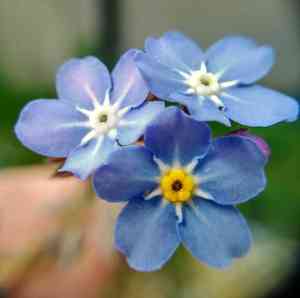
A mountain-dwelling perennial, king of the alps flourishes in stony environments, yielding a spectacular display of azure blossoms. Trimming mainly entails removing faded flowers and cutting away any lifeless or injured leaves. It is most effectively carried out in spring or early summer to stimulate robust development and abundant blooming. Consistent trimming guarantees a dense structure, averting excessive expansion and enhancing the plant's well-being. Proceed with care to preserve the plant's inherent contour and refrain from over-pruning.
What Are the Benefits of Pruning King Of The Alps?
What Are the Benefits of Pruning King Of The Alps?
Trimming king of the alps promotes robust development and helps maintain its compact structure, enhancing its health and visual appeal in rock gardens.
What Is the Best Time for Pruning King Of The Alps?
What Is the Best Time for Pruning King Of The Alps?
Trimming king of the alps in late spring or early summer coincides with the period after it has bloomed, ensuring the floral display remains undisturbed while allowing the plant to channel energy into growth and recovery post-pruning. This timing supports the plant's health and compact shape, avoiding undue stress that could arise from pruning during flowering or when the plant prepares for dormancy in late summer or autumn.
What Tools Do I Need to Prune King Of The Alps?
Precision Pruners
Given the small and delicate nature of king of the alps, precision pruners or small gardening shears are perfect for making accurate cuts without harming the plant. Their sharp, fine-tipped blades enable careful snipping of dead or unwanted foliage without affecting surrounding plant tissue.
Tweezers
For king of the alps, tweezers can be a crucial tool for removing dead or dry foliage from confined spaces without disturbing the rest of the plant. This is especially useful for king of the alps due to its dense growth habit, where accuracy is essential to maintain the plant's health and appearance.
Micro-tip Snips
These are suitable for king of the alps when it needs thinning or removal of small, soft stems. The micro-tip design offers precise control for snipping in tight areas, ensuring minimal impact on the plant's overall structure.
Foam Kneeling Pad
While not a direct pruning tool, a foam kneeling pad is recommended for maintaining king of the alps, as it provides comfort when working close to the ground. Since king of the alps is a low-growing alpine plant, gardeners will spend time at ground level during the pruning process.
How to Prune King Of The Alps
Clean tools
Sanitize pruning implements using rubbing alcohol or a bleach and water solution to prevent disease transmission to king of the alps.
Identify
Inspect king of the alps closely to pinpoint diseased or withered leaves and affected stems that require removal.
Cut diseased leaves
Carefully snip diseased or withered leaves at the base of the leaf stem, using sharp scissors or pruning shears, taking care not to damage healthy parts.
Prune stems
Trim diseased stems by cutting them back to a healthy section or to the plant's base, making a clean, angled cut to encourage healing and prevent water accumulation.
Disposal
Properly discard all removed diseased leaves and stems to prevent the spread of pathogens in the garden.
Common Pruning Mistakes with King Of The Alps
Over-pruning
Removing too much foliage from king of the alps at once can shock the plant, leading to stunted growth or even demise.
Improper cuts
Making ragged or torn cuts can invite disease and pest issues into king of the alps. Cuts should be clean and precise.
Neglecting tool hygiene
Not sanitizing pruning tools before use on king of the alps can spread disease among plants.
Pruning healthy growth
Unnecessarily cutting away healthy stems can diminish the vigor of king of the alps and its capacity to flower.
Ignoring plant shape
Failing to consider the natural form of king of the alps during pruning can result in a less aesthetically pleasing specimen.
Common Pruning Tips for King Of The Alps
Sharp tools
Ensure pruning tools are sharp to make clean, straight cuts on king of the alps, avoiding damage to the plant tissues.
Prune damaged stems
Regularly remove dead or dying stems from king of the alps to encourage healthier growth and prevent disease spread.
Minimal pruning
Since king of the alps is a delicate alpine plant, practice conservative pruning, focusing on maintaining its natural shape rather than extensive shaping.
Post-flowering trim
After king of the alps has finished blooming, a light trim can be beneficial for stimulating the next season's growth.
Follow natural lines
When pruning king of the alps, follow the natural growth lines to retain its characteristic form and encourage a denser habit.



