The King of the alps Plant Advantage: Maximizing Home and Office Appeal and Wellness
1
King of the Alps is a distinctive mountain flora recognized for enduring harsh environments.
2
King of the Alps provides several environmental advantages, enhancing ground quality.
3
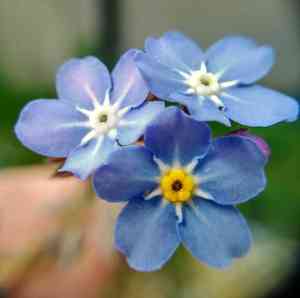
King of the Alps is valued for its vivid azure blooms and uncommon presence in the wild.
What Makes King of the Alps So Remarkable?
Durability in Severe Environments
A standout characteristic of King of the Alps is its capacity to flourish in exceptionally challenging settings. Found in mountainous areas with rocky, nutrient-deficient soil, intense sunlight, and minimal precipitation, King of the Alps has evolved to endure where few other plants can. Its hardiness not only demonstrates its robustness but also its crucial role in these fragile ecosystems. The plantâs deep root structure helps secure it to stony ground, preventing soil erosion and aiding in the stability of mountain landscapes.
Ecological Contributions
Beyond its sheer toughness, King of the Alps plays a vital part in its natural habitat. It contributes to the health of its ecosystem by improving soil quality and offering a crucial food source for alpine insects and pollinators. As one of the few flowering plants at such elevated altitudes, it helps sustain local biodiversity. The plant's existence indicates healthy, stable ecosystems, often thriving in areas untouched by human activity, thereby serving as a bioindicator for environmental researchers.
How Does King of the Alps Benefit the Ecosystem?
Soil Health and Stability
King of the Alps is crucial in preventing soil erosion in alpine regions. Its root systems, though relatively small, form intricate networks that bind soil particles together. This stabilization not only prevents landslides and soil washout but also supports the growth of other vegetation in the area. As the plant decays, it adds organic matter to the soil, further enriching it and fostering the growth of other species.
Supporting Pollinators
Despite the harsh alpine conditions, King of the Alps helps sustain pollinator populations. Its bright blue blossoms attract various insects, including bees and butterflies, which are essential for pollination processes in these high-altitude regions. The presence of King of the Alps thus supports a life chain, maintaining the delicate balance of the alpine ecosystem.
Aesthetic and Cultural Importance
A Natural Marvel
The striking appearance of King of the Alps with its vibrant blue flowers makes it a subject of admiration and fascination. Often regarded as the gem of the high altitudes, its bloom signals the arrival of summer in these cold and rugged terrains. The visual appeal of King of the Alps has made it a sought-after plant for nature enthusiasts and photographers alike, capturing the essence of alpine beauty.
Symbolism and Heritage
King of the Alps holds significant cultural value in its native regions. Often seen as a symbol of endurance and strength, it is celebrated in local folklore and traditions. The plant's ability to thrive amidst adversity resonates deeply with communities living in these regions, embodying their perseverance and connection to nature. Celebrations, festivals, and even local art often feature King of the Alps, highlighting its revered status.



