How to Transplant Woolly daisy?
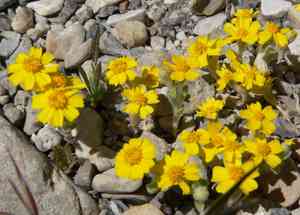
The ideal period for transplanting woolly daisy extends from early spring's onset to the brink of summer, offering a mix of mild and warm conditions conducive to root development. Select a bright location featuring soil that drains effectively. Should it be required, enrich the soil with compost to boost its vigor.
What Preparations are Needed Before Transplanting Woolly Daisy?
What is the Ideal Time for Transplanting Woolly Daisy?
The optimal period to relocate woolly daisy to your garden is during early to mid-spring. This timeframe offers a perfect blend of moderate temperatures and increasing daylight, which is vital for woolly daisy to develop strong roots. Moving woolly daisy then takes advantage of the growing season's commencement, ensuring your woolly daisy gets a robust start for vigorous growth. A gentle reminder - spring's warmth aids woolly daisy's transition to its new location, promoting better adaptation and higher success rates in your plant haven!
How Much Space Should You Leave Between Woolly Daisy Plants?
Greetings! When you're ready to move your woolly daisy, allow them ample room to thrive. Aim for a comfortable distance of 12-18 inches (30-46 cm) between each plant. This helps ensure they have space to grow and flourish!
What is the Best Soil Mix for Woolly Daisy Transplanting?
To prepare the ground for your woolly daisy, create a well-draining soil enriched with some organic material—it's precisely what they prefer! Incorporating a balanced, slow-release fertilizer will give your woolly daisy an excellent start. Consider it a welcoming treat for them!
Where Should You Relocate Your Woolly Daisy?
Your woolly daisy will love a sunny spot in your garden! Select a location where they can soak up full sunlight for most of the day. This sun-drenched area will keep your woolly daisy cheerful and blooming beautifully.
What Equipments Should You Prepare Before Transplantation Woolly Daisy?
Gardening Gloves
To safeguard your hands while handling soil and plants.
Hand Trowel
To carefully excavate the plant from its container or tray.
Garden Spade or Shovel
To loosen earth and dig an appropriate hole for transplanting.
Watering Can or Hose
For hydrating the plant before and after the relocation process.
Pruners
For trimming any dead or excess foliage prior to transplanting.
Measuring Tape
To ensure correct spacing between transplanted plants.
How Do You Remove Woolly Daisy from the Soil?
How Do You Remove Woolly Daisy from the Soil?
From Ground: First, hydrate the woolly daisy plant to moisten the soil. Next, dig a wide trench around the plant using a shovel or spade, ensuring the root ball remains intact. Carefully work the spade beneath the root ball to lift the plant from its original spot.From Pot: Begin by watering the woolly daisy plant to facilitate its removal. Turn the pot on its side and gently tap it to loosen the soil. Grasp the plant at its base and carefully slide it out while supporting the soil and root ball.From Seedling Tray: Water the tray to dampen the soil, which makes seedling removal easier. Use a hand trowel or similar tool to carefully lift the seedling, including its root ball and surrounding soil, from the tray.
Step-by-Step Guide for Transplanting Woolly Daisy
Preparation
Ensure all necessary tools are ready. Water the woolly daisy plant thoroughly before beginning the removal process. This step helps reduce transplant shock.
Removal
Depending on the woolly daisy plant's original location (ground, pot, or seedling tray), follow the appropriate removal procedure outlined above to carefully extract the plant with its root ball intact.
Prepare New Location
Dig a hole at the new site that is twice as wide as the plant's root ball but not deeper. This allows roots to spread easily without being constricted.
Placement
Gently position the woolly daisy plant in the center of the hole. The top of the root ball should be level with the surrounding soil surface to prevent stem rot.
Refill Hole
Carefully backfill the hole with the excavated soil, firming it around the root ball to eliminate air pockets. Do not plant deeper than it was originally growing.
Watering
Water the plant gently but thoroughly to settle the soil around the roots and provide essential hydration for recovery.
Mulching
Apply a thin layer of mulch around the base of the woolly daisy plant to help retain moisture and regulate soil temperature.
How Do You Care For Woolly Daisy After Transplanting?
Monitoring
Regularly inspect the plant's condition, looking for indications of stress such as wilting or discoloration.
Watering
Establish a watering schedule that keeps the soil around the woolly daisy consistently moist, especially during dry periods, until the plant is established.
Mulching
Replenish the mulch layer as needed to protect the plant and conserve moisture.
Pruning
Trim any dead or damaged foliage to encourage healthy growth and direct energy to the roots.
Supports
If the woolly daisy plant shows weak or leggy growth, provide staking or support to keep it upright.
Troubleshooting Common Issues with Woolly Daisy Transplantation.
When is the best time to transplant woolly daisy?
Ideal transplanting occurs in early to late spring, leveraging milder weather for root establishment.
How far apart should I space woolly daisy when planting?
Allow room to flourish by giving each woolly daisy a berth of 12-18 inches (30-45 cm).
Why is my woolly daisy wilting after transplanting?
Wilting can indicate transplant shock. Ensure soil is moist and protect woolly daisy from strong sunlight temporarily.
How much should I water woolly daisy post-transplant?
Water the base thoroughly, but avoid waterlogging. Adjust as necessary to maintain consistent soil moisture.
What kind of soil is best for transplanting woolly daisy?
A well-draining, fertile soil is ideal. Amend with organic matter if necessary prior to transplanting.
Should I fertilize woolly daisy when transplanting?
It's not crucial. If needed, use a balanced, low-strength fertilizer after new growth appears.
My woolly daisy looks droopy post-transplant. What should I do?
Provide shade and keep the soil moist. Droopiness often improves as the woolly daisy adjusts to its new spot.
Can I transplant woolly daisy on a hot day?
Avoid it. Overcast days, or transplanting in the morning/evening, reduces stress on woolly daisy.
How deep should the hole be for transplanting woolly daisy?
Dig a hole double the root ball's width and the same depth to encourage root growth.
What should I do if woolly daisy isn't thriving after transplanting?
Check soil moisture, sun exposure, and spacing. Patience is key; give woolly daisy time to acclimate.



