The Woolly daisy Plant Advantage: Maximizing Home and Office Appeal and Wellness
1
Woolly daisy flourishes in dry climates, making it perfect for drought-tolerant landscapes.
2
Woolly daisy's attractive look enhances the aesthetic appeal of outdoor spaces.
3
Having Woolly daisy can help local pollinators, boosting ecological diversity.
What Makes Woolly daisy Unique?
Resilience to Harsh Conditions
Woolly daisy is notably recognized for its capacity to flourish in arid, dry environments. Due to its inherent adaptations, it can survive with minimal water, making it an excellent option for xeriscapingâa landscaping approach that minimizes or eliminates the need for irrigation. Its hardiness enables gardeners to enjoy a vibrant, green space even in drought-prone regions.
Minimal Upkeep Requirements
A prominent characteristic of Woolly daisy is its low maintenance demands. Once established, it can thrive with little attention, requiring minimal to no fertilization. This quality makes it an outstanding choice for those aiming to create a sustainable and easy-to-care-for garden. Its robustness also means it is less susceptible to pests and diseases, further reducing the time and effort needed for its care.
How Does Woolly daisy Support Biodiversity?
Attracting Pollinators
Woolly daisy plays a crucial role in supporting local ecosystems by drawing in various pollinators, including bees and butterflies. These pollinators are vital for the reproduction of numerous plant species and contribute to the health and diversity of local habitats. By incorporating Woolly daisy into your garden, you not only appreciate its beauty but also foster biodiversity.
Providing Habitat
Beyond attracting pollinators, Woolly daisy offers refuge and habitat for small insects and birds. This can be especially beneficial in urban or suburban areas where natural habitats are often scarce. The presence of Woolly daisy can help establish a miniature ecosystem in your backyard, supporting a range of species and contributing to ecological balance.
Why is Woolly daisy Ideal for Ornamental Use?
Aesthetic Appeal
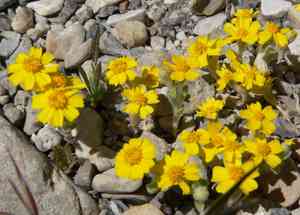
Woolly daisy is celebrated for its striking appearance, characterized by its bright, eye-catching blooms and soft, fuzzy foliage. Its distinctive texture and vibrant colors can enhance the visual charm of any garden or landscape. Whether utilized as a ground cover, in rock gardens, or as border plants, Woolly daisy adds a touch of natural beauty and sophistication.
Versatility in Landscape Design
The adaptability of Woolly daisy makes it a favorite among landscape designers. It can be seamlessly integrated into various garden styles, from modern minimalist gardens to more traditional or rustic designs. Its ability to adapt to different soil types and conditions further enhances its appeal, allowing gardeners to use it in a multitude of settings.
What are the Environmental Benefits of Woolly daisy?
Erosion Control
The root system of Woolly daisy is particularly effective in preventing soil erosion. Its roots help stabilize the soil, making it an excellent plant for slopes or areas susceptible to erosion. This not only preserves the landscape but also protects waterways from sediment runoff, contributing to improved water quality.
Carbon Sequestration
Woolly daisy also contributes to carbon sequestration, a process where plants absorb carbon dioxide from the atmosphere and store it. This helps mitigate the effects of climate change by reducing the amount of greenhouse gases in the atmosphere. While individual contributions may be modest, collectively, the widespread planting of Woolly daisy can have a significant impact.



