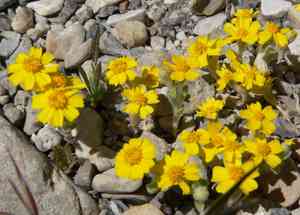
Woolly daisy (Eriophyllum wallacei)
Also known as: Wallace's woollydaisy
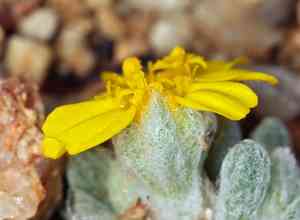
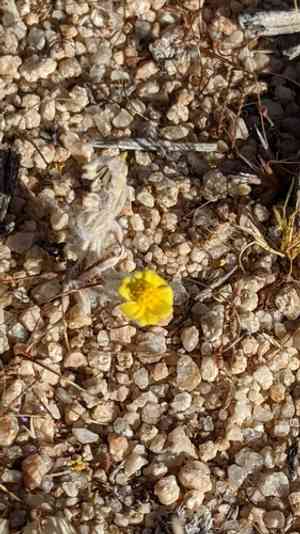
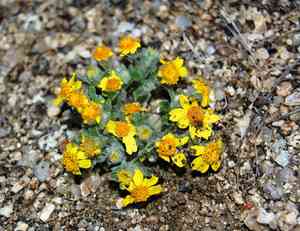
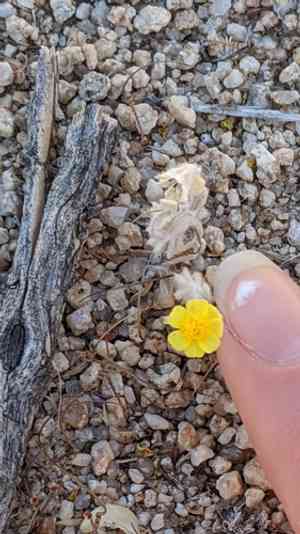
Woolly daisy (Eriophyllum wallacei) is native to the southwestern United States. This plant features leaves and stems covered in woolly hairs, which is how it gets its name. Typically found in desert environments, woolly daisy usually produces a single flower per plant. However, during periods of increased rainfall, it can rapidly develop additional shoots and flowers.
In This Article
Attributes of Woolly daisy
Lifespan
Annual
Plant Type
Herb
Plant Height
15 cm
Spread
15 cm
Leaf Color
Gray-green
Flower Size
6 mm to 9 mm
Flower Color
Yellow Gold
Images of Woolly daisy
Quickly Identify Woolly daisy
1
Eriophyllum wallacei can be identified by its woolly, gray-green leaves that form a mat-like structure on the ground. It has bright yellow, daisy-like flowers that bloom in small clusters.
Scientific Classification of Woolly daisy
Phylum
Vascular plants
Class
Dicotyledons
Order
Asterales
Family
Daisy
Genus
Woolly sunflowers
Species
Woolly daisy
Planting and Growing of Woolly daisy
Care Difficulty
Easy
Watering Schedule
Every 2 days
Sunlight Requirements
Full sun
Sunshine Duration
6-10 hours
Ideal Temperature
60-75℉
Soil Type
Potting Mix, Peat Mix
Soil pH
6.5-7.5
Fertilizer Type
Balanced
Pruning Season
Spring, Summer
Pruning Area
Branches, Leaves
Pruning Frequency
2 times a year
Repotting Season
Spring
Pot Type
Plastic, Ceramic
 How to Water Woolly daisy?
Eriophyllum wallacei, often known as woolly daisy, thrives in arid environments, necessitating a conservative watering approach. The watering amount should ensure the soil is moistened thoroughly, mimicking a rare rainfall, then allowed to dry completely between sessions.
What are the symptoms of an underwatered Woolly daisy?
›
What should I do if my Woolly daisy is not getting enough water?
›
What are the symptoms of an overwatered Woolly daisy?
›
How to save an overwatered Woolly daisy?
›
 What Are the Sunlight Requirements for Woolly daisy?
Eriophyllum wallacei thrives in full sun conditions. Ideal sunlight exposure not only boosts blooming but also deters pest issues by promoting a dry environment, curbing fungal growth.
What are the optimal lighting conditions for Eriophyllum wallacei?
›
How can I ensure ideal sun exposure for Eriophyllum wallacei?
›
What benefits does proper light exposure bring to Eriophyllum wallacei?
›
 What Is the Ideal Temperature Range for Woolly daisy?
For Eriophyllum wallacei, the ideal temperature range is between 60°F and 75°F. This range provides the best conditions for enzymatic activities and photosynthesis, ensuring robust growth and healthy development. Maintaining consistent temperatures within this range helps to minimize stress on the plant, promoting a vibrant and thriving appearance.
 What Soil is Best for Woolly daisy?
Eriophyllum wallacei thrives in soil that provides excellent drainage. This prevents root rot and promotes a healthy root system, essential for optimal growth. Moderate nutrient levels are ideal for Eriophyllum wallacei. Sandy loam or loam provides a balanced nutrient supply, ensuring the plant receives the minerals it needs without risk of nutrient burn. The plant requires well-aerated soil to allow roots to breathe and effectively absorb water and nutrients. This is especially beneficial in sandy loam soils, which prevent compaction.
 How to Fertilize Woolly daisy?
For Eriophyllum wallacei, a light hand is vital when it comes to fertilizing. Use half the recommended dose of an all-purpose liquid fertilizer. Excessive fertilizer can lead to rapid, undesired growth that could damage the plant's natural charm.
 How to Prune Woolly daisy?
Begin by examining the plant for any dead or dying branches. Use your sharpened shears to remove these, cutting at a 45-degree angle to the parent branch for optimal healing. Next, redirect the plant's energy to healthier sections by trimming back any leggy growth or branches crossing each other. To promote bushier growth, identify the main stems of Eriophyllum wallacei and prune back about one-third of their length. Cut just above a leaf node, which will trigger new growth to develop from that point, creating a fuller, more compact plant. Regular pruning will also enhance its aesthetic appeal.
More About Pruning Techniques→
 How to Propagate Woolly daisy plant?
1
Gather seeds from mature Eriophyllum wallacei plants in late summer when seedheads are dry but before they scatter. Clean and properly store these seeds for future use.
2
Sow the seeds in seed trays filled with potting soil in early spring. Cover them lightly with soil and water gently, ensuring that the soil remains moist but not waterlogged.
3
Once seedlings have developed several true leaves and the threat of frost has passed, transplant them outdoors into a garden bed or pots, ensuring proper spacing and care.
 How to Repot Woolly daisy plant?
1
It's time to repot Eriophyllum wallacei when you notice roots peeking out from the drainage holes, or if the plant seems to become root-bound, causing stunted growth. Spring and summer are ideal for repotting this desert-dwelling plant, giving it ample time to adjust and thrive in its new environment.
2
Select a pot that is slightly larger than the current one, ensuring it has adequate drainage holes. This prevents waterlogging and promotes healthy root growth, essential for Eriophyllum wallacei's survival. The material can be clay, helping to wick away moisture and providing stability against breezy conditions.
3
Opt for a sandy, well-draining soil mix to mimic its natural habitat—this aids in preventing root rot and facilitates better oxygen circulation to roots. Adding coarse sand or perlite can enhance drainage, ensuring the Eriophyllum wallacei remains healthy and vibrant.
Learn More About Woolly daisy Diseases
Anthracnose
Bacterial Leaf Spot
Bacterial Soft Rot
Bacterial Wilt
Crown Gall
Cyst Nematode
Damping-off
Downy Mildew
Drought Stress
Fusarium Wilt
Gray Mold
Leaf Spot
Mosaic
Nutrient Deficiency
Nutrient Toxicity
Powdery Mildew
Root Rot
Root-knot Nematode
Rusts
Sooty Mold
Spider Mites
Temperature Stress
Thrips Damage
White Mold



