How to Prune Woolly daisy?
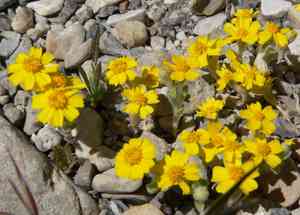
Featuring fuzzy leaves and vivid blossoms, woolly daisy is an easy-care perennial. Trim withered or compromised stems to preserve plant vitality, fostering denser development. The best time for pruning is after blooming from spring to autumn to revitalize and sculpt the plant. Advantages of appropriate pruning encompass improved flowering and protection against ailments. Always employ sanitized, sharp implements to prevent contamination and guarantee accurate cuts for this resilient desert species.
Advantages of Trimming Woolly Daisy
Advantages of Trimming Woolly Daisy
Trimming woolly daisy boosts vitality by eliminating dead or weak stems, fostering a more compact, appealing shape, and stimulating new growth for a healthier specimen.
Optimal Time for Trimming Woolly Daisy
Optimal Time for Trimming Woolly Daisy
Trimming woolly daisy in the Spring is perfect for encouraging robust growth and maintaining its form, as this coincides with the start of its active growth phase. Pruning at this time helps remove any winter damage and promotes a healthy, dense mat of foliage before flowering. Early Fall trimming is also recommended to remove spent blooms and seed heads after the flowering cycle, which can prevent self-seeding and ensure a neat look throughout dormancy. Avoid late Fall pruning, as this can stimulate new growth vulnerable to frost damage.
Tools Required for Trimming Woolly Daisy
Hand Pruners
Given the typically small size of woolly daisy, hand pruners are ideal for making clean, precise cuts on its stems.
Gardening Scissors
Woolly daisy may need light trimming of leaves and flowers. Gardening scissors are perfect for snipping delicate parts without causing unnecessary harm.
Pruning Shears
For slightly thicker stems or more resilient parts of woolly daisy, pruning shears will provide the necessary cutting power while remaining manageable in size.
How to Trim Woolly Daisy
Sanitizing tools
Before beginning to trim woolly daisy, thoroughly clean and sanitize all pruning tools to prevent disease spread. Use a solution of one part bleach to nine parts water to sterilize the blades.
Identifying withered foliage
Locate the withered or dead leaves on woolly daisy. Look for leaves that are brown, dry, and brittle, as these are typically the parts that require removal.
Cutting foliage
Using the sterilized pruning tools, carefully cut the withered leaves from woolly daisy at their base where they connect to the stem or branch. Make clean cuts close to the stem to avoid leaving stubs that could attract pests or disease.
Waste disposal
Properly dispose of the trimmed withered leaves. Remove them from the vicinity of woolly daisy to reduce the risk of fungal spores or pests. Only compost the debris if you are certain they are disease-free.
Post-trimming care
After trimming, ensure woolly daisy receives appropriate care by providing adequate water and sunlight, encouraging the healthy development of new foliage.
Common Trimming Errors with Woolly Daisy
Excessive trimming
Removing too much foliage from woolly daisy at once can hinder its growth. This is especially relevant as woolly daisy is a smaller plant that does not require heavy pruning.
Imprecise cuts
Making improper or jagged cuts can injure woolly daisy, potentially leading to bacterial or fungal infections. Cuts should be made at a 45-degree angle just above leaf nodes or junctions.
Using dirty tools
Using tools that are not clean or disinfected can introduce pathogens to woolly daisy, leading to disease. It's crucial to sterilize tools before use.
Ignoring plant form
Trimming without considering the natural shape of woolly daisy can result in uneven growth and an unappealing appearance. Gardeners should aim to maintain the plant's natural form while pruning.
Trimming healthy growth
Unnecessarily cutting away healthy flowers and foliage can diminish the plant's vigor. Selective pruning of dead or weak stems promotes healthier blooms.
General Trimming Advice for Woolly Daisy
Selective trimming
Focus on removing dead or dying flowers and stems to encourage woolly daisy to produce new growth and additional blooms.
Post-bloom care
Trimming woolly daisy back after its flowering period can help rejuvenate the plant and promote further blooming in the next cycle.
Minimal intervention
As woolly daisy is relatively low-maintenance, it requires minimal pruning. A light touch is recommended to maintain its shape and health.
Sharp tools
Using sharp, clean pruning shears will ensure clean cuts that heal quickly, reducing the risk of disease for woolly daisy.
Consistent care
Regularly inspecting woolly daisy for signs of distress, such as discolored leaves or stems, and addressing these issues promptly through targeted pruning can keep the plant healthy.



