How to Transplant Scheuchzer's cotton-grass?
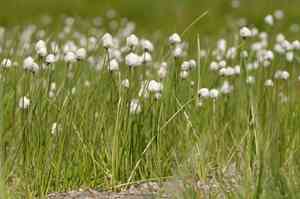
The most favorable period for relocating scheuchzer's cotton-grass is as late spring's warmth transitions into the early summer's vigor, offering perfect cultivation circumstances. Choose a damp, sun-drenched location and carefully settle scheuchzer's cotton-grass into its new environment, honoring its fragile characteristics.
What Preparations are Needed Before Transplanting Scheuchzer's Cotton-grass?
What is the Ideal Time for Transplanting Scheuchzer's Cotton-grass?
The optimal period to move scheuchzer's cotton-grass spans from the conclusion of winter's chill in spring to the onset of summer's warmth. This timeframe provides scheuchzer's cotton-grass with mild weather and sufficient soil moisture, promoting strong establishment. Utilizing this season benefits scheuchzer's cotton-grass with extended daylight, fostering growth, and stable temperatures, supporting its root development. Relocating scheuchzer's cotton-grass during this phase aligns with nature's revitalizing cycle, enhancing successful transplantation and vigorous health.
How Much Space Should You Leave Between Scheuchzer's Cotton-grass Plants?
Start by planning the placement of your scheuchzer's cotton-grass, ensuring ample room for growth with a separation of 12-16 inches (30-40 cm). This spacing allows each plant to expand and thrive.
What is the Best Soil Mix for Scheuchzer's Cotton-grass Transplanting?
Prepare a suitable bed for your scheuchzer's cotton-grass using well-draining soil, rich in organic material. Incorporate a balanced, slow-release fertilizer to give them a strong start. Aim for a pH that is neutral to slightly acidic.
Where Should You Relocate Your Scheuchzer's Cotton-grass?
Choose a sunny location in your garden where your scheuchzer's cotton-grass can receive full sunlight or partial shade. They prefer sun, but some afternoon shade can help them remain vibrant and healthy.
What Equipments Should You Prepare Before Transplantation Scheuchzer's Cotton-grass?
Gardening Gloves
To safeguard your hands while handling soil and plants.
Garden Shovel or Spade
For excavating and creating trenches around the scheuchzer's cotton-grass's root ball.
Hand Trowel
Useful for smaller or more delicate tasks near the roots.
Watering Can or Hose
To hydrate the scheuchzer's cotton-grass before and after relocation.
Pruning Shears
For removing any dead or excessive plant material.
Wheelbarrow or Garden Cart
For transporting the scheuchzer's cotton-grass and any necessary soil amendments.
Mulch
To aid in moisture retention and regulate soil temperature around the scheuchzer's cotton-grass.
Stakes or Supports
If needed, to stabilize the scheuchzer's cotton-grass after transplanting.
How Do You Remove Scheuchzer's Cotton-grass from the Soil?
How Do You Remove Scheuchzer's Cotton-grass from the Soil?
From Ground: Hydrate the scheuchzer's cotton-grass to moisten the surrounding earth. Carefully dig a wide circle around the plant with a shovel or spade, being cautious not to harm the root ball. Slide the spade beneath the root ball and gently lift the scheuchzer's cotton-grass from the ground.From Pot: Thoroughly water the scheuchzer's cotton-grass. Tilt the pot sideways and gently tap its sides to loosen the root ball. Support the scheuchzer's cotton-grass by its base and carefully remove it from the pot, keeping the soil around the roots intact.From Seedling Tray: Moisten the soil in the tray. Use a hand trowel or your fingers to carefully lift each scheuchzer's cotton-grass from its cell, ensuring the root ball remains as undisturbed as possible.
Step-by-Step Guide for Transplanting Scheuchzer's Cotton-grass
Preparation
Prepare the new planting location by clearing debris and loosening the soil to accommodate the scheuchzer's cotton-grass's root ball.
Digging Hole
Excavate a hole at the new site that is twice the width of scheuchzer's cotton-grass's root ball and of equal depth to allow roots to spread and establish.
Placing scheuchzer's cotton-grass
Position the scheuchzer's cotton-grass in the center of the new hole at the same depth it was originally growing. Backfill around the root ball with the excavated soil, gently firming to eliminate air pockets.
Stabilizing
If the scheuchzer's cotton-grass is tall or top-heavy, use stakes or supports to keep it upright. Ensure these do not damage the root system.
Watering Thoroughly
Water the scheuchzer's cotton-grass generously after transplanting, allowing the water to settle the soil around the roots.
Adding Mulch
Apply a layer of mulch around the base of the scheuchzer's cotton-grass, keeping it away from the stem to prevent rot.
How Do You Care For Scheuchzer's Cotton-grass After Transplanting?
Monitoring
Observe the scheuchzer's cotton-grass closely, checking for indications of stress such as wilting or discolored leaves.
Watering Schedule
Maintain a consistent watering routine, keeping the soil uniformly moist as the scheuchzer's cotton-grass settles into its new spot.
Pruning
Remove any damaged or diseased foliage to encourage healthy new growth and prevent the spread of illness.
Stabilization Check
Confirm that any stakes or supports remain secure and adjust them as the scheuchzer's cotton-grass grows.
Gradual Sun Exposure
If the scheuchzer's cotton-grass was previously in a shadier location, slowly introduce it to more sun to prevent shock.
Troubleshooting Common Issues with Scheuchzer's Cotton-grass Transplantation.
What's the best time to transplant scheuchzer's cotton-grass?
Relocate scheuchzer's cotton-grass as spring transitions to summer, ensuring milder weather for optimal root establishment.
How far apart should I space scheuchzer's cotton-grass when transplanting?
Allow a comfortable distance of approximately 12-16 inches (30-40 cm) between each scheuchzer's cotton-grass to provide room for growth.
Why are my scheuchzer's cotton-grass plants wilting after transplanting?
Wilting may indicate stress. Ensure the soil is moist and they are not exposed to direct, harsh sunlight immediately after moving.
What soil conditions favor scheuchzer's cotton-grass after transplanting?
Aim for moist, well-draining soil. Scheuchzer's cotton-grass thrives in boggy conditions but dislikes being waterlogged.
How much should I water scheuchzer's cotton-grass post-transplant?
After transplanting, keep the soil consistently moist without overwatering. Scheuchzer's cotton-grass prefers damp conditions, not submersion!
Can I transplant scheuchzer's cotton-grass on a hot day?
It is best to transplant scheuchzer's cotton-grass on a cooler, overcast day to minimize transplant shock and water loss.
Should I feed scheuchzer's cotton-grass immediately after transplanting?
No need to fertilize immediately. Allow scheuchzer's cotton-grass to settle for a few weeks before applying a balanced, gentle fertilizer.
Are there any special care tips immediately after transplanting scheuchzer's cotton-grass?
Provide gentle watering and shade, and avoid compacting the soil around the newly transplanted plants.
How deep should I plant scheuchzer's cotton-grass when transplanting?
Transplant scheuchzer's cotton-grass so that the root ball is level with the soil surface, allowing space for natural growth.
Why are the leaves of my transplanted scheuchzer's cotton-grass turning yellow?
Yellow leaves might indicate overwatering or poor drainage. Check moisture levels and adjust watering as needed.



