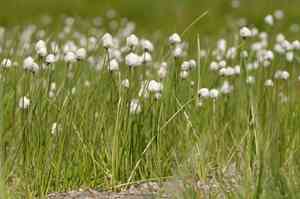
Scheuchzer's cotton-grass (Eriophorum scheuchzeri)
Also known as: Scheuchzer's arctic cottongrass
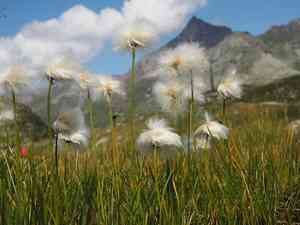
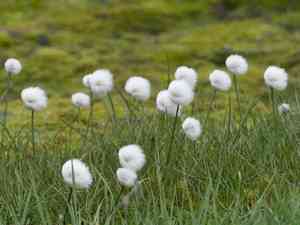
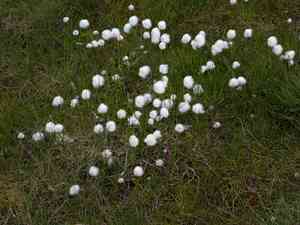
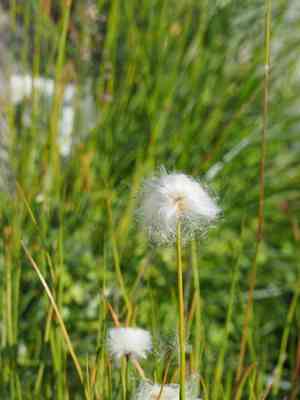
Scheuchzer's cotton-grass is distinguished by its white, fluffy seed heads, which resemble cotton and give the plant its common name. Indigenous Inuit communities have traditionally utilized these fibers in various practical ways. They crafted boot insoles for added comfort and insulation, used the soft fibers as swabs for cleaning, and employed them as wicks in oil lamps to provide light and heat.
In This Article
Attributes of Scheuchzer's cotton-grass
Lifespan
Perennial
Plant Type
Grass
Plant Height
70 cm
Spread
Not significant (tufted growth)
Leaf Color
Green Blue
Flower Size
1.5 cm to 3 cm
Flower Color
White
Images of Scheuchzer's cotton-grass
Quickly Identify Scheuchzer's cotton-grass
1
Identifying Eriophorum scheuchzeri involves looking for its characteristic cottony seed heads and long, narrow leaves that arise in basal tufts. The plant can grow up to 15-30 cm in height and is usually found in damp, cold habitats.
Scientific Classification of Scheuchzer's cotton-grass
Phylum
Vascular plants
Class
Monocotyledons
Order
Poales
Family
Sedge
Genus
Cotton-grass
Species
Scheuchzer's cotton-grass
Planting and Growing of Scheuchzer's cotton-grass
Care Difficulty
Easy
Watering Schedule
Every 4 days
Sunlight Requirements
Full sun
Sunshine Duration
4-8 hours
Ideal Temperature
50-68℉
Soil Type
Potting Mix, Peat Mix
Soil pH
6.5-7.5
Fertilizer Type
Balanced
Pruning Season
Spring, Summer
Pruning Area
Leaves, Branches
Pruning Frequency
2 times a year
Repotting Season
Spring
Pot Type
Plastic, Terracotta
 How to Water Scheuchzer's cotton-grass?
Eriophorum scheuchzeri, known for its love of wet environments, should be watered until the soil is consistently moist. Aim to deliver around 300 milliliters per watering session, ensuring that excess water can drain away to avoid waterlogging. This mimic the plant's natural marsh-like habitat, where moisture is abundant but not stagnant.
What are the symptoms of an underwatered Scheuchzer's cotton-grass?
›
What should I do if my Scheuchzer's cotton-grass is not getting enough water?
›
What are the symptoms of an overwatered Scheuchzer's cotton-grass?
›
How to save an overwatered Scheuchzer's cotton-grass?
›
 What Are the Sunlight Requirements for Scheuchzer's cotton-grass?
Eriophorum scheuchzeri ideally requires at least partial to full sun exposure. Benefits of receiving the right light amount include robust growth, more prolific flowering, and increased disease resistance, ensuring vibrant plant health.
More About Sunlight Requirements Techniques→
What are the best lighting conditions?
›
What solutions exist for achieving ideal lighting?
›
What are the benefits of optimal lighting?
›
 What Is the Ideal Temperature Range for Scheuchzer's cotton-grass?
Eriophorum scheuchzeri, commonly known as Scheuchzer's cottongrass, thrives best within a specific temperature range. Ideally, temperatures between 50°F and 68°F create an optimum environment for growth. Within this range, the plant can efficiently conduct photosynthesis, maintain cellular functionality, and show healthy growth patterns. Staying within these parameters minimizes stress, supporting robust flowering and seed production.
 What Soil is Best for Scheuchzer's cotton-grass?
Eriophorum scheuchzeri thrives in peat soil which excels in moisture retention, ensuring the roots remain hydrated. This supports healthy growth and prevents wilting during dry spells. The plant benefits from the nutrient-rich characteristics of sandy loam, providing essential minerals that promote robust foliage and vibrant flowering. Acidic soil conditions are ideal, enhancing nutrient uptake and protecting the plant from harmful pathogens, ensuring its long-term health and sustainability.
 How to Fertilize Scheuchzer's cotton-grass?
Eriophorum scheuchzeri, commonly known as Scheuchzer's cottongrass, is adapted to nutrient-poor environments. Therefore, minimal fertilization is required. Use low-concentration fertilizer once a month to avoid over-nourishment, which can harm the plant.
 How to Prune Scheuchzer's cotton-grass?
Begin by inspecting the plant for any dead or damaged stems. Using sharp, clean scissors or pruning shears, trim away these sections at their base. For shaping, cut back any overgrown stems to maintain a neat appearance, ensuring not to remove more than a third of the plant at a time. This helps keep the plant looking tidy and encourages robust growth.
More About Pruning Techniques→
 How to Propagate Scheuchzer's cotton-grass plant?
1
Ensure the soil is well-draining and rich in organic matter. Amend the soil with compost to improve its fertility and structure before planting seeds or divisions.
2
Lightly broadcast seed onto the surface of the soil and gently press down. Cover lightly with a thin layer of soil. Maintain moisture with regular, gentle watering until germination occurs.
3
Identify mature plants with multiple shoots. Use a spade to carefully lift out the plant, then separate the clumps with a sharp knife or by gently pulling them apart by hand before replanting.
 How to Repot Scheuchzer's cotton-grass plant?
1
Eriophorum scheuchzeri indicates the need for repotting when its roots begin to emerge from the drainage holes of its current container. Additionally, when you notice the soil drying out more quickly than usual or a poor growth rate, it's a sign that your plant might benefit from more space and fresh nutrients.
2
Select a pot that's about 2 inches larger in diameter than the current one. It's important to have drainage holes to prevent waterlogging. A ceramic or terracotta pot is ideal because these materials provide stability and allow for the slight evaporation of excess moisture. This helps maintain the necessary moisture level for the plant.
3
Opt for a soil that's peat-based and acidic to replicate the plant’s natural marshy environment. Such soil will retain necessary moisture while also offering adequate drainage, supporting the plant's unique water and nutrient needs. The right soil can significantly enhance the plant's overall health and growth.



