The Scheuchzer's cotton-grass Plant Advantage: Maximizing Home and Office Appeal and Wellness
1
Scheuchzer's cotton-grass flourishes in polar and mountainous areas, serving a vital function in these delicate habitats.
2
Its thick groupings aid in preventing soil degradation by securing the earth.
3
Scheuchzer's cotton-grass is frequently utilized in customary handicrafts and ornamentation because of its gentle, cottony look.
What is Scheuchzer's cotton-grass and Where Does it Grow?
Habitat and Distribution
Scheuchzer's cotton-grass primarily flourishes in chilly, damp environments like arctic tundras and alpine bogs. Found throughout the northern hemisphere, this plant forms dense groupings in wetlands, meadows, and peatlands, significantly contributing to local biodiversity. Its existence indicates a healthy wetland ecosystem, frequently found in areas with acidic soils and slow-moving water.
Physical Characteristics
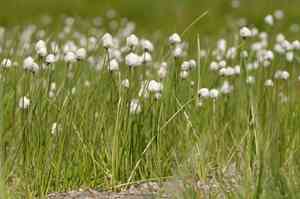
Scheuchzer's cotton-grass is easily identified by its fluffy, white seed heads that resemble cotton tufts. The plant's stalks can reach up to 60 cm in height and are often green or reddish in color. Its roots form a thick mat that aids in water absorption and soil stabilization, making it a vital part of its occupied habitats.
How Does Scheuchzer's cotton-grass Benefit the Ecosystem?
Soil Stabilization and Erosion Prevention
A key ecological function of Scheuchzer's cotton-grass is its capacity to stabilize soil and prevent erosion. The plant's dense root system binds the soil, lessening the impact of wind and water erosion. This role is especially critical in fragile arctic and alpine ecosystems where soil erosion can lead to habitat degradation and loss of species diversity.
Supporting Local Wildlife
Scheuchzer's cotton-grass provides essential habitat and sustenance for various wildlife species. Its thick clusters offer nesting locations for birds and small mammals. Additionally, the plant serves as a food source for herbivores such as reindeer and moose, particularly in regions with limited vegetation options. This interdependence highlights the importance of Scheuchzer's cotton-grass in maintaining ecological balance.
What Are the Practical Uses of Scheuchzer's cotton-grass?
Traditional and Modern Crafting
The soft, cotton-like appearance of Scheuchzer's cotton-grass has made it a favored material in traditional crafts. Indigenous communities have long utilized its fluffy seed heads for creating pillows, mattresses, and clothing. Today, it continues to be used in floral arrangements and natural decor, adding a touch of rustic charm.
Educational and Scientific Research
Scheuchzer's cotton-grass is frequently a subject of ecological and botanical investigations due to its unique adaptation to harsh environments. Researchers study this plant to better comprehend how flora can survive and thrive in extreme climates. Such studies can offer insights into climate change impacts and the resilience of various ecosystems.
Why is Scheuchzer's cotton-grass Important for Environmental Conservation?
Indicator of Ecosystem Health
Scheuchzer's cotton-grass is considered a bioindicator species for wetland health. Its presence signifies a well-functioning ecosystem with adequate moisture and soil conditions. Conservation efforts often focus on safeguarding such species to preserve overall biodiversity and ecosystem integrity.
Role in Climate Regulation
Scheuchzer's cotton-grass contributes to carbon sequestration within its natural habitats. Peatlands, where this plant often flourishes, are known for their capacity to store substantial amounts of carbon. By stabilizing these areas, Scheuchzer's cotton-grass indirectly helps mitigate climate change by reducing carbon release into the atmosphere.
How Can You Contribute to the Preservation of Scheuchzer's cotton-grass?
Supporting Conservation Initiatives
Individuals can assist in the preservation of Scheuchzer's cotton-grass by backing wetland conservation projects, participating in local clean-up activities, and promoting sustainable land-use practices. These actions help protect vital habitats and ensure the survival of this important plant.
Raising Awareness
Educating others about the advantages and significance of Scheuchzer's cotton-grass can generate public interest and support for conservation efforts. Hosting informative sessions, sharing resources on social media, and collaborating with environmental organizations are effective ways to increase awareness about this unique plant's role in our ecosystems.



