How to Prune Scheuchzer's cotton-grass?
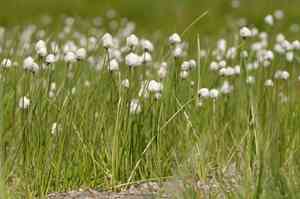
Regarding scheuchzer's cotton-grass, a perennial that thrives in damp conditions and features unique fluffy seed heads, regular trimming is generally unnecessary. Nevertheless, should it become essential to preserve its form or eliminate compromised leaves, such actions are best performed in early spring or during the winter period. These infrequent interventions can foster more robust development and diminish the likelihood of ailments. Executing pruning while the plant is dormant lessens its effect on the plant's growth cycle and bloom production. Horticulturalists must employ sanitized, keen implements for all cuts to avert contamination and facilitate rapid recuperation.
Advantages of Trimming Scheuchzer's Cotton-grass
Advantages of Trimming Scheuchzer's Cotton-grass
Trimming scheuchzer's cotton-grass can encourage more vigorous development, allowing the plant to flourish with renewed strength. It also assists in preserving its desired shape and size, enhancing its visual appeal and ensuring it fits well in its designated area.
Optimal Period for Trimming Scheuchzer's Cotton-grass
Optimal Period for Trimming Scheuchzer's Cotton-grass
Trimming scheuchzer's cotton-grass in early spring coincides with the time just before the start of its new growth cycle. Pruning at this point prepares scheuchzer's cotton-grass for the upcoming growing season, enabling it to direct energy into new growth effectively. Winter pruning is generally beneficial for scheuchzer's cotton-grass as this is when the plant is dormant. Trimming scheuchzer's cotton-grass while it's inactive reduces stress and potential harm to its vital systems, helps prevent disease transmission that might occur during warmer, active growth periods, and avoids cutting off any new buds that form in spring, ensuring the plant's appearance is maintained and resources aren't wasted on recovering cut buds.
Necessary Tools for Pruning Scheuchzer's Cotton-grass
Handheld Pruning Shears
Perfect for shaping and trimming the foliage of scheuchzer's cotton-grass, as these shears allow for precise cuts without harming delicate stems. Handheld shears are easy to manage and are ideal for removing dead or dying leaves.
Grass Clippers
Handheld grass clippers are excellent for careful pruning of scheuchzer's cotton-grass when you wish to maintain its natural grass-like look without disturbing nearby plants in the landscape. The clippers enable targeted cutting of the grass blades.
Gardening Scissors
Scheuchzer's cotton-grass occasionally requires the removal of dead or yellowing foliage to promote healthy growth. Gardening scissors are suitable for this task due to their sharpness and ability to provide accuracy in removal.
Thinning Shears
To thin out dense clumps of scheuchzer's cotton-grass without damaging the plant's structure, use thinning shears as they are designed to make selective cuts within the plant to improve air circulation and light penetration.
How to Prune Scheuchzer's Cotton-grass
Identify diseased and withered leaves
Examine scheuchzer's cotton-grass thoroughly to distinguish healthy foliage from diseased and withered leaves that need pruning. Look for any discolored, distorted, or visibly damaged leaves as signs of unhealthy tissue.
Disinfect tools
Sanitize pruning tools before beginning and between cuts if moving from one scheuchzer's cotton-grass to another to prevent disease spread. Use a solution of one part bleach to nine parts water or rubbing alcohol to clean the blades.
Prune diseased leaves
Using your disinfected pruning shears, carefully cut diseased leaves at their base where they connect to the stem. Ensure the entire leaf, including any diseased tissue, is removed to stop the infection from spreading.
Prune withered leaves
Remove withered leaves by snipping them off at the base of the leaf stem. These leaves are typically older and have completed their life cycle. Their removal encourages scheuchzer's cotton-grass to direct energy towards new growth.
Dispose of waste
Gather all pruned diseased and withered leaves and discard them away from other plants to prevent any potential disease spread. Do not compost diseased material, as this can contaminate the compost.
Frequent Pruning Errors with Scheuchzer's Cotton-grass
Excessive pruning
Removing too much foliage at once can stress scheuchzer's cotton-grass, impeding its growth and diminishing its overall health and vigor.
Incorrect cutting
Making cuts that are either too jagged or not clean can expose scheuchzer's cotton-grass to diseases and pests, potentially causing harm to the plant.
Unnecessary trimming
Since scheuchzer's cotton-grass is a grass-like species, some gardeners might prune it needlessly, assuming it requires the same upkeep as lawn grass. Scheuchzer's cotton-grass needs minimal pruning to remove dead or spent flower stems and foliage.
Ignoring plant structure
Failing to comprehend scheuchzer's cotton-grass's natural growth habit can lead to improper pruning, altering its natural shape and disrupting its development.
General Pruning Advice for Scheuchzer's Cotton-grass
Sharp tools
Utilize sharp and sterilized pruning tools to make clean cuts on scheuchzer's cotton-grass, which helps prevent disease and minimizes stress to the plant.
Minimal pruning
Understand that scheuchzer's cotton-grass requires only light pruning. Remove dead leaves and spent flowering stems to maintain the plant's appearance without compromising health.
Post-flowering
After scheuchzer's cotton-grass has finished blooming, gently prune to remove the dead flowers, which encourages new growth and can potentially lead to more blooms in the subsequent season.
Health check
Regularly inspect scheuchzer's cotton-grass for damaged or diseased foliage and remove it promptly to maintain overall plant health and to help prevent the spread of diseases.



