How to Transplant Hairy woolly grass?
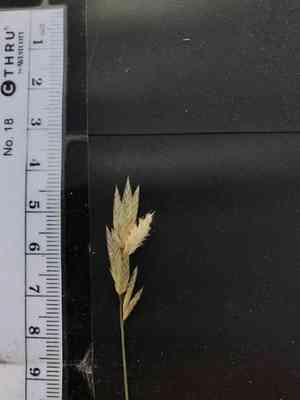
The most favorable period for transplanting hairy woolly grass is during its active growth phase, specifically from the latter part of spring into the initial weeks of summer. A location receiving full sun to partial shade will foster vigorous development. Undertake relocation solely when absolutely necessary, as hairy woolly grass flourishes best when its root system is undisturbed.
What Preparations are Needed Before Transplanting Hairy Woolly Grass?
What is the Ideal Time for Transplanting Hairy Woolly Grass?
The perfect time for moving hairy woolly grass is at the start of its active growth phase – from late spring to early summer. Relocating hairy woolly grass during this period encourages strong root development and allows it to adapt before summer's heat. Shifting hairy woolly grass at this point aligns with its natural growth cycle, promoting healthy establishment in its new spot, leading to a lush, vibrant appearance. Helpful hint: This timing offers hairy woolly grass the best chance to thrive, making your garden a lovely display of your gardening skill!
How Much Space Should You Leave Between Hairy Woolly Grass Plants?
When arranging your beautiful hairy woolly grass, aim for a spacing of 12-18 inches (30-45 cm). This provides each plant ample room to flourish without crowding, ensuring they can reach their full, magnificent potential!
What is the Best Soil Mix for Hairy Woolly Grass Transplanting?
Your hairy woolly grass will flourish in soil that drains well! Improve your garden bed with a balanced, slow-release fertilizer to give your hairy woolly grass a strong start. This creates a nutrient-rich environment for vigorous growth.
Where Should You Relocate Your Hairy Woolly Grass?
Select a sunny location for your hairy woolly grass that receives abundant direct sunlight. They love soaking up the sun's rays, so ideally, a spot with at least 6 hours of sun daily will make your hairy woolly grass happiest!
What Equipments Should You Prepare Before Transplantation Hairy Woolly Grass?
Gardening Gloves
To safeguard your hands while handling soil and plants.
Shovel or Spade
For excavating hairy woolly grass from its current spot and preparing the new planting hole.
Hand Trowel
Useful for smaller or more delicate tasks, to refine the planting hole or extract a smaller plant.
Watering Can or Hose
To hydrate hairy woolly grass before, during, and after transplantation to lessen transplant shock.
Measuring Tape
To ensure correct spacing between plants in their new location.
Wheelbarrow
To move the plant and soil without harming the root ball.
Pruning Shears
For cleanly cutting any damaged or excessively long roots.
How Do You Remove Hairy Woolly Grass from the Soil?
How Do You Remove Hairy Woolly Grass from the Soil?
From Ground: First, moisten the hairy woolly grass plant to soften the soil, simplifying the removal process. Use a shovel or spade to carefully dig around the plant, leaving ample space to avoid cutting into the root ball. Pry the shovel underneath and gently lift the plant from the ground.From Pot: Thoroughly hydrate the hairy woolly grass to ensure the roots are well-watered. Tilt the pot sideways and tap its edges to loosen the soil; you might need to roll the pot if it's flexible. Gently pull the plant by its base while supporting the root ball until it is free from the pot.From Seedling Tray: Water the trays to make the soil pliable. Use a hand trowel or a dibber to gently push up from the bottom of the cell, supporting the seedling by its leaves rather than the stem to prevent damage. Once loose, carefully lift the seedling out along with its root mass.
Step-by-Step Guide for Transplanting Hairy Woolly Grass
Check Plant Health
Examine hairy woolly grass for indications of disease or stress. Only healthy plants should be moved to ensure the best chance of survival in their new spot. Remove any damaged or diseased leaves or stems with pruning shears to encourage new growth and reduce strain on the plant during adjustment to the new site.
Prepare the New Site
Dig a hole in the ground that is twice as wide and the same depth as the root ball of the hairy woolly grass. This ensures the roots have room to spread and the plant is positioned at the correct level.
Plant Orientation
Place the hairy woolly grass in the center of the hole at the same depth it was previously growing. The top of the root ball should be level with or slightly above the surrounding soil to allow for natural settling.
Refill the Hole
Gradually backfill the hole with the excavated soil, gently firming it around the root ball to eliminate air pockets. This provides good soil-to-root contact, essential for water and nutrient absorption.
Watering
Water the hairy woolly grass thoroughly after planting to settle the soil around the roots and to help alleviate the stress from transplantation.
Stabilizing
If the hairy woolly grass is tall or in a windy location, consider temporarily staking the plant until it is established enough to stand on its own.
How Do You Care For Hairy Woolly Grass After Transplanting?
Mulching
Apply a layer of organic mulch around the base of hairy woolly grass, leaving some space around the stem, to help retain soil moisture and suppress weed growth.
Monitoring
Check on the hairy woolly grass regularly, paying close attention to its leaf health and stability in the ground. This helps detect any signs of transplant shock or other issues early on.
Continued Watering
Provide water to the plant as needed, reducing frequency as the hairy woolly grass begins to show signs of new growth and root establishment in the new location.
Protection from Pests
Keep an eye out for insects or signs of disease. Address any problems quickly to prevent them from escalating and stressing the plant further during its critical recovery period.
Support if Necessary
Use supports like stakes or cages if the hairy woolly grass appears unstable. This aids in the development of strong, upright growth and protects against strong winds or heavy rains.
Troubleshooting Common Issues with Hairy Woolly Grass Transplantation.
When is the best time to transplant hairy woolly grass?
Choose to transplant hairy woolly grass when the weather warms, typically late spring to early summer.
What is the ideal spacing for planting hairy woolly grass?
Position hairy woolly grass at intervals of 12-18 inches (30-45 cm) to allow them room to thrive.
How do I prepare the soil for transplanting hairy woolly grass?
Enrich the soil with compost and ensure it drains well before transplanting hairy woolly grass.
Should hairy woolly grass be watered immediately after transplanting?
Yes, water hairy woolly grass thoroughly after transplanting to help roots settle in their new home.
Can hairy woolly grass be transplanted on a hot day?
Avoid transplanting hairy woolly grass on hot days. Select a cooler, overcast day to minimize transplant shock.
How deep should I plant hairy woolly grass?
Dig a hole as deep as the root ball and twice as wide to correctly transplant hairy woolly grass.
What should I do if hairy woolly grass wilts after transplanting?
Provide shade and keep the soil consistently moist until hairy woolly grass shows signs of recovery.
How do I handle hairy woolly grass's roots when transplanting?
Gently untangle the roots of hairy woolly grass and spread them out in the planting hole.
Can hairy woolly grass be transplanted in windy conditions?
Transplanting hairy woolly grass in calm weather is best to prevent drying out or damage to the plant.
What to do if hairy woolly grass isn't thriving post-transplant?
Check if hairy woolly grass is receiving adequate sun, water, and nutrients, and adjust care as needed.



