The Hairy woolly grass Plant Advantage: Maximizing Home and Office Appeal and Wellness
1
Hairy woolly grass is recognized for its remarkable tolerance to dry conditions and flourishing in desert environments.
2
This plant offers crucial shelter and sustenance for animals in its indigenous areas.
3
It serves as a superb option for preventing soil loss and restoring degraded land.
What Are the Environmental Advantages of Hairy woolly grass?
Aridity Tolerance
Hairy woolly grass exhibits remarkable resilience in dry climates due to its deep root system, enabling it to access water from deeper soil strata. This characteristic makes it a valuable plant in regions prone to drought, where water scarcity is a significant concern.
Wildlife Sanctuary
Hairy woolly grass offers vital refuge for various animal species, including birds, insects, and small mammals. Its dense foliage provides shelter and breeding sites, while its seeds and leaves serve as a food source. By fostering biodiversity, Hairy woolly grass plays a crucial role in maintaining healthy ecosystems.
How Does Hairy woolly grass Enhance Soil Quality?
Soil Erosion Prevention
The extensive root network of Hairy woolly grass helps stabilize the ground, preventing erosion caused by wind and water. This makes it an ideal plant for areas susceptible to soil degradation, such as slopes and riverbanks. By anchoring the soil, Hairy woolly grass reduces topsoil loss and promotes a healthier soil structure.
Soil Enrichment
Hairy woolly grass improves soil fertility by adding organic matter as its leaves and stems decompose. This organic material enhances soil texture and nutrient content, making the soil more favorable for the growth of other plants. Additionally, the plant's root system interacts with soil microorganisms, fostering a more balanced and fertile soil ecosystem.
What Are the Horticultural Applications of Hairy woolly grass?
Low-Maintenance Gardening
Hairy woolly grass is a popular choice for low-maintenance landscaping due to its hardiness and minimal water needs. It's perfect for xeriscaping, which focuses on reducing irrigation requirements by using drought-tolerant plants. Homeowners and landscapers can use Hairy woolly grass to create visually appealing landscapes that demand less upkeep.
Visual Appeal
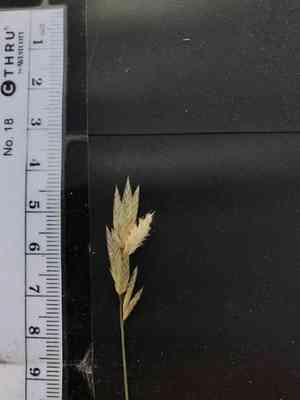
Hairy woolly grass adds unique texture and movement to gardens and landscaped areas with its fine, woolly foliage. The plant's aesthetic charm lies in its soft, hair-like leaves, which sway gracefully in the breeze. By incorporating Hairy woolly grass into your garden, you can achieve a natural, flowing look that enhances the visual interest of outdoor spaces.
Why Is Hairy woolly grass Important for Land Restoration?
Reclamation of Degraded Areas
Hairy woolly grass plays a vital role in the rehabilitation of degraded lands, especially in arid and semi-arid regions. Its ability to establish quickly and improve soil structure makes it a valuable plant for restoring areas affected by desertification, overgrazing, or deforestation. By planting Hairy woolly grass, land managers can jumpstart the recovery of these environments, promoting the return of native vegetation and wildlife.
Combating Desert Expansion
Desertification is a significant environmental issue affecting millions globally. Hairy woolly grass is an effective tool in combating this phenomenon due to its ability to thrive in harsh, dry conditions where other plants struggle. By stabilizing the soil and reducing erosion, Hairy woolly grass helps prevent the spread of deserts and contributes to the sustainable management of arid lands.
How Can Hairy woolly grass Be Integrated into Sustainable Practices?
Sustainable Farming
Hairy woolly grass can be incorporated into sustainable agricultural practices to boost crop production and soil health. Its presence in agricultural landscapes promotes biodiversity, benefiting pollinators and other helpful organisms. Moreover, Hairy woolly grass's ability to improve soil fertility and structure can lead to more productive and resilient farming systems.
Sustainable Garden Design
Incorporating Hairy woolly grass into sustainable landscaping practices reduces water usage and maintenance needs. By choosing native, drought-tolerant plants like Hairy woolly grass, you can create eco-friendly landscapes that conserve resources and support local biodiversity. This approach not only benefits the environment but also reduces the long-term costs associated with traditional landscaping methods.



