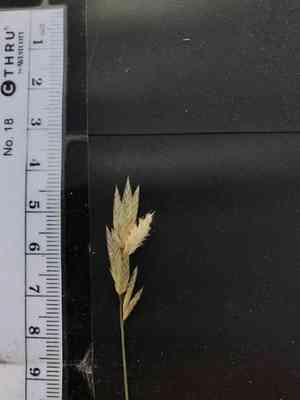
Hairy woolly grass (Erioneuron pilosum)
Also known as: Hairy Trampwort, Hairy Dropseed
Hairy woolly grass (Erioneuron pilosum) is a perennial that flowers from spring to fall, featuring green or brown blooms on tall stalks. As seeds disperse, the flowers take on a woolly appearance. This grass flourishes in dry, well-drained soils rich in limestone and requires full sunlight for optimal growth.
In This Article
Attributes of Hairy woolly grass
Lifespan
Perennial
Plant Type
Grass
Plant Height
10 cm to 30 cm
Spread
Not applicable
Leaf Color
Green
Flower Size
Not applicable
Flower Color
Yellow Green Purple Brown
Images of Hairy woolly grass

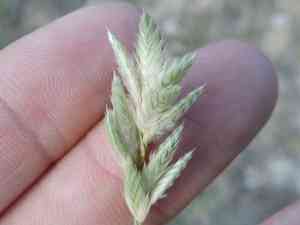
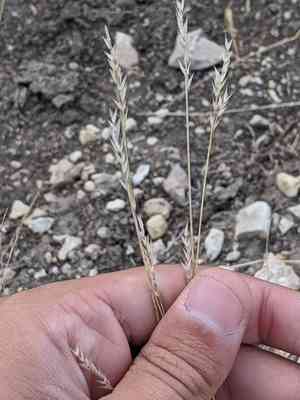
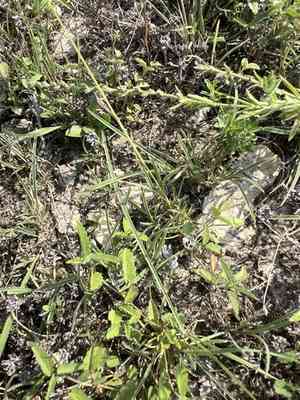
Quickly Identify Hairy woolly grass
1
Look for its small, hairy spikelets and short, delicate stems. The plant forms dense tufts and has a distinctive hairy texture.
Scientific Classification of Hairy woolly grass
Phylum
Vascular plants
Class
Monocotyledons
Order
Poales
Family
Grass
Genus
Woollygrasses
Species
Hairy woolly grass
Planting and Growing of Hairy woolly grass
Care Difficulty
Easy
Watering Schedule
Every 2 days
Sunlight Requirements
Full sun
Sunshine Duration
4-6 hours
Ideal Temperature
68-77℉
Soil Type
Potting Mix, Peat Mix
Soil pH
6.5-7.5
Fertilizer Type
Balanced
Pruning Season
Spring, Summer
Pruning Area
Branches, Leaves
Pruning Frequency
2 times a year
Repotting Season
Spring
Pot Type
Plastic, Ceramic
 How to Water Hairy woolly grass?
For Erioneuron pilosum, water until the soil is evenly moist to a depth of about 5 cm (2 inches). The soil should not be saturated, but it should feel consistently damp at this depth. This ensures that the roots receive adequate moisture without being drowned.
What are the symptoms of an underwatered Hairy woolly grass?
›
What should I do if my Hairy woolly grass is not getting enough water?
›
What are the symptoms of an overwatered Hairy woolly grass?
›
How to save an overwatered Hairy woolly grass?
›
 What Are the Sunlight Requirements for Hairy woolly grass?
Erioneuron pilosum ideally thrives in full sun, benefiting from 6-8 hours of direct sunlight daily. This lighting supports vibrant growth and optimal health.
What is the ideal sunlight?
›
How to ensure adequate light exposure?
›
What are the benefits of ideal lighting?
›
 What Is the Ideal Temperature Range for Hairy woolly grass?
The ideal temperature range for Erioneuron pilosum is between 68°F and 77°F. This warm temperature range provides optimal conditions for growth and development, allowing the plant to photosynthesize efficiently and maintain robust health. Within this range, the plant is less likely to experience stress from temperature fluctuations.
 What Soil is Best for Hairy woolly grass?
Ensuring well-drained soil is essential for Erioneuron pilosum, as it prevents root rot. This plant thrives in environments where excess water can flow away quickly, maintaining optimal health and promoting robust growth. While not overly picky, Erioneuron pilosum does appreciate soils with moderate nutrient content. This balance helps the plant achieve sustained growth, as extreme soil fertility can lead to excessive foliage at the expense of root development. Good soil aeration is crucial for this plant. It allows roots to access the oxygen they need to function effectively, ensuring vitality and resilience against adverse growth conditions.
 How to Fertilize Hairy woolly grass?
For Erioneuron pilosum, use a balanced liquid fertilizer diluted to half strength. Apply approximately 100 ml per plant to ensure nutrients are absorbed without overwhelming the plant.
 How to Prune Hairy woolly grass?
Begin by using sharp pruning shears to carefully trim away any dead or damaged stems and leaves. Ensure you cut at an angle to prevent water from collecting on the cut surfaces, which can lead to rot. This allows the plant to direct its energy towards new growth. Regular pruning helps maintain the shape and encourages healthy growth, ensuring your Erioneuron pilosum remains lush and well-maintained. To achieve a desirable shape, focus on thinning out crowded areas to enhance air circulation and sunlight penetration. This not only improves the overall appearance of the grass but also minimizes the risk of pest infestations. By proportionally reducing the density of stems, you enable better access to light and nutrients for the remaining growth. Shaping not only keeps the plant visually appealing but also optimizes its health.
More About Pruning Techniques→
 How to Propagate Hairy woolly grass plant?
1
Begin by filling the seed trays with a fine potting mix, ensuring it is evenly distributed without compacting it too much. This provides a stable foundation for the seeds to grow.
2
Scatter the Erioneuron pilosum seeds evenly over the surface of the soil and lightly press them in, covering with a thin layer of soil. Keep the spacing close to allow room for growth.
3
Water the seeds gently to avoid washing them away and cover the trays with clear plastic to maintain humidity and warmth, which is crucial for germination.
 How to Repot Hairy woolly grass plant?
1
You should consider repotting Erioneuron pilosum when you notice stunted growth or roots emerging from the pot's drainage holes. These signs indicate the plant is root-bound and needs more space to thrive. Repotting in spring or autumn provides the plant with ample time to adjust before the more extreme temperatures inhibit its growth.
2
Choose a pot that is only slightly larger than the current one, about 2 inches wider. This prevents overwatering issues by ensuring the soil dries out properly between waterings. A pot with adequate drainage is crucial to prevent waterlogging, which can easily lead to root rot in Erioneuron pilosum.
3
Opt for a cactus mix with added sand for better drainage and aeration. This type of soil mimics the plant's natural arid environment, reducing the risk of root rot and helping the plant to establish strong roots quickly post-repotting.



