How to Prune Hairy woolly grass?
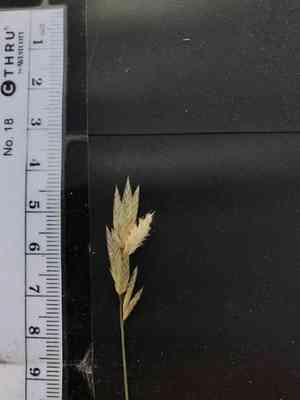
A clump-forming perennial featuring slender, thread-like leaves, hairy woolly grass flourishes with infrequent trimming. Cut away any withered or compromised leaves in early spring or during winter to stimulate robust development. Performing this trimming during colder periods assists in preserving the plant's inherent form and averts strain. Effective pruning leads to a more compact, hardier specimen, bolstering its drought-tolerant qualities and assisting in pest control by eliminating potential hiding spots.
What Are the Benefits of Pruning Hairy Woolly Grass?
What Are the Benefits of Pruning Hairy Woolly Grass?
Trimming hairy woolly grass promotes robust development and helps maintain its desired form, ensuring a neat appearance while boosting the plant's overall health and vigor.
What Is the Best Time for Pruning Hairy Woolly Grass?
What Is the Best Time for Pruning Hairy Woolly Grass?
For hairy woolly grass, winter pruning allows for the removal of dead or damaged leaves without affecting growth, as the plant is dormant then. Early spring trimming is also good as it prepares hairy woolly grass for new growth, clearing old growth for fresh, healthy shoots. These times are ideal as they avoid disrupting hairy woolly grass's natural growth cycle and flowering period, which occurs in late spring to summer. Pruning at these specific times reduces plant stress, maintains its health, and ensures strong growth in the next season.
What Tools Do I Need to Prune Hairy Woolly Grass?
Hand pruners
Hairy woolly grass often has fine, delicate leaves that may need occasional thinning or shaping. Hand pruners, also known as secateurs, are perfect for making clean cuts on thin grass blades without harming nearby stems. Ensure the blades are sharp to prevent tearing or uneven cuts.
Grass shears
For trimming the edges of hairy woolly grass or cutting grass clumps to keep a specific shape, grass shears are suitable as they allow for detailed work and can cut at various angles comfortably.
Hori-Hori knife
When there's a need to divide hairy woolly grass or remove dead parts close to the ground, a Hori-Hori knife is useful. Its serrated edge can efficiently cut through soil and roots, assisting in transplanting or removing unwanted growth.
Safety gloves
While hairy woolly grass isn't particularly thorny or rough, wearing gloves can prevent minor cuts or skin irritation during the pruning process.
How to Prune Hairy Woolly Grass
Clean tools
Before you begin, sanitize your pruning shears or scissors to prevent disease spread. Use a solution of 1 part bleach to 9 parts water to disinfect the tools, making sure they are clean and dry before using them on hairy woolly grass.
Inspect plant
Carefully examine hairy woolly grass for any signs of diseased or withered leaves. Identify these parts as they will need to be removed to maintain the plant's health and appearance.
Prune diseased leaves
Using your sanitized shears, carefully remove diseased leaves by cutting them off at the base of the stalk, where they meet the main plant. Ensure a clean cut without tearing to avoid unnecessary stress to hairy woolly grass.
Prune withered leaves
Similarly, trim withered leaves by cutting them at the base. Be precise and avoid removing healthy leaves to preserve the vitality of hairy woolly grass.
Dispose trimmed parts
Dispose of all trimmed parts responsibly, ideally away from your garden to prevent any potential spread of disease. Do not compost diseased material as it may infect the compost.
Common Pruning Mistakes with Hairy Woolly Grass
Over-pruning
Removing too much foliage from hairy woolly grass can stress the plant, leading to slow growth or even death in severe cases. It's important to be conservative and prune only what is necessary.
Improper cutting technique
Using dull or unsuitable tools, or making jagged cuts, can harm hairy woolly grass's delicate stems, increasing the risk of disease and pest infestation.
Pruning for the wrong reasons
Some gardeners might prune hairy woolly grass with the goal of shaping it extensively. However, hairy woolly grass has a natural shape that doesn't typically require aggressive shaping.
Ignoring dead or diseased material
Neglecting to remove dead, diseased, or damaged foliage can hinder hairy woolly grass's growth and spread disease.
Common Pruning Tips for Hairy Woolly Grass
Use sharp tools
Employ sharp scissors or pruning shears to make clean, precise cuts on hairy woolly grass, which helps to minimize damage and promote quicker healing.
Focus on dead or damaged foliage
Concentrate pruning efforts on removing dead or damaged foliage to improve air circulation and overall health of hairy woolly grass.
Prune sparingly
Since hairy woolly grass is a hardy, low-maintenance plant, it requires minimal pruning. When necessary, do so sparingly to maintain its natural form and avoid undue stress.
Judicious thinning
If thinning hairy woolly grass to encourage new growth, only remove a small percentage of the plant at any given time, ensuring not to disrupt the natural growth pattern.



