How to Transplant Kennedy's buckwheat?
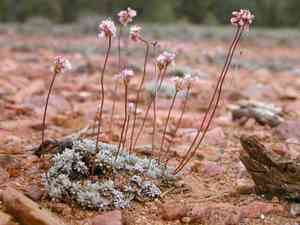
Kennedy's buckwheat flourishes when relocated from early to late spring or from late autumn to late winter, guaranteeing strong rooting. Choose sandy, well-draining sites that receive ample sunlight for peak development. Should it be necessary, irrigate sparingly after transplanting for superior outcomes.
Necessary Preparations Before Relocating Kennedy's Buckwheat?
Optimal Period for Moving Kennedy's Buckwheat?
Kennedy's buckwheat, a perennial, is best moved from early to late spring or during late autumn through winter. These times offer cooler temperatures and increased soil moisture, aiding root establishment. Transplanting then helps the plant avoid summer heat stress, ensuring vigorous growth and a healthy start.
Required Spacing Between Kennedy's Buckwheat Plants?
When preparing to move kennedy's buckwheat, aim to position each plant approximately 12-18 inches (30-45 cm) apart. This provides ample room for growth and development without overcrowding.
Best Soil Blend for Kennedy's Buckwheat Relocation?
For kennedy's buckwheat, select well-draining soil, ideally sandy or gravelly, to prevent waterlogging. Incorporate some organic compost to enrich the soil, but avoid overly rich fertilizers as they prefer leaner conditions.
Ideal New Location for Your Kennedy's Buckwheat?
Choose a sunny spot for relocating kennedy's buckwheat. It thrives best with full sun exposure for at least 6-8 hours daily. Avoid shaded areas to ensure the plant receives adequate sunlight.
Equipment to Prepare Before Transplanting Kennedy's Buckwheat?
Gardening Gloves
To safeguard your hands while handling soil and the plant.
Hand Trowel
For excavating small holes and carefully managing kennedy's buckwheat plants.
Shovel
To dig a larger hole in the ground for the relocation.
Pruners
For trimming any damaged roots or foliage prior to transplanting.
Watering Can
To hydrate the plant before and after its move.
Wheelbarrow
For transporting the plant if it is large or heavy.
Mulch
To help maintain moisture around the newly relocated kennedy's buckwheat.
How to Extract Kennedy's Buckwheat from the Soil?
How to Extract Kennedy's Buckwheat from the Soil?
From Ground: First, water the kennedy's buckwheat plant to moisten the soil. Then, dig a wide trench around the plant using a shovel or spade, ensuring the plant's root ball remains intact. Carefully work the spade beneath the root ball to lift the plant from its original spot.From Pot: Water the kennedy's buckwheat plant thoroughly to help loosen the soil. Gently tap the pot's sides to release the plant. Invert the pot, supporting the plant's base with your hand, and carefully slide the plant out.From Seedling Tray: Water the seedlings a few hours before removal to facilitate the process. Use a small tool like a dibber or the end of a spoon to carefully lift each kennedy's buckwheat seedling, taking care not to harm the roots.
Step-by-Step Guide for Relocating Kennedy's Buckwheat
Prepare the New Site
Dig a hole in the ground that is twice as wide and the same depth as the root ball of your kennedy's buckwheat plant.
Inspect the Plant
Examine the kennedy's buckwheat plant's roots for any decay or damage and trim away any unhealthy sections with pruners.
Position the Plant
Place the kennedy's buckwheat plant in the center of the hole, ensuring it is upright and that the top of the root ball is level with the surrounding soil.
Backfill the Hole
Refill the hole with soil, gently pressing it down to eliminate air pockets. Be careful not to over-compact the soil.
Water Thoroughly
Generously water the relocated kennedy's buckwheat plant to help settle the soil around the roots and provide initial hydration.
Apply Mulch
Spread a layer of mulch around the base of the kennedy's buckwheat plant to retain moisture and regulate soil temperature.
How to Care for Kennedy's Buckwheat After Relocation?
Watering
Keep the soil around the kennedy's buckwheat consistently moist, but not waterlogged, for the initial weeks after transplanting to aid in strong root establishment.
Monitoring
Regularly check the kennedy's buckwheat plant for any indications of transplant shock, such as wilting or yellowing leaves, and address issues promptly.
Mulching
Reapply mulch as necessary to maintain a consistent layer and support moisture retention.
Support
If the kennedy's buckwheat plant is tall or top-heavy, consider staking it to provide additional support while it establishes its roots.
Troubleshooting Common Issues with Kennedy's Buckwheat Relocation.
When is the best time to move kennedy's buckwheat?
Relocate kennedy's buckwheat from early to late spring, late fall, or early to late winter.
How much space should kennedy's buckwheat have when moved?
Ensure kennedy's buckwheat has 12-18 inches (30-45 cm) of space between plants for optimal growth.
What soil conditions does kennedy's buckwheat require?
Kennedy's buckwheat thrives in well-drained, sandy or rocky soil with good exposure to sunlight.
What if kennedy's buckwheat looks wilted after moving?
Ensure proper watering. Water deeply but infrequently to help kennedy's buckwheat establish roots.
How should I prepare the soil for moving kennedy's buckwheat?
Loosen the soil to a depth of 12 inches (30 cm) and mix in organic matter.
Can I move kennedy's buckwheat during hot weather?
Avoid moving kennedy's buckwheat during hot weather; stick to the recommended cooler seasons.
How do I handle kennedy's buckwheat roots while moving?
Handle kennedy's buckwheat roots gently to avoid damage; keep the root ball intact during the move.
What if kennedy's buckwheat isn't growing after moving?
Check soil drainage, sunlight exposure, and spacing. Adjust watering habits if needed.
How deep should I plant kennedy's buckwheat during the move?
Plant kennedy's buckwheat at the same depth it was in its original container to avoid stress.
What aftercare does kennedy's buckwheat need post-move?
Water regularly, ensure proper drainage, and mulch to retain moisture and suppress weeds.



