How to Prune Kennedy's buckwheat?
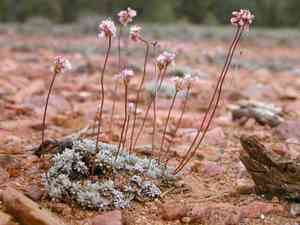
Kennedy's buckwheat, a low-lying perennial, is recognized for its resilience to arid conditions and its appealing ground-covering qualities. Perform pruning on kennedy's buckwheat in the late winter or early spring, prior to the emergence of new shoots. Remove faded blossoms and older stalks to stimulate more robust development and increased flowering. Utilize sanitized, sharp implements to avert the spread of pathogens. Pruning manages the plant's dimensions and fosters a denser structure, thereby elevating its decorative value. Adhere to these methods to sustain a thriving and visually appealing specimen.
What Are the Benefits of Pruning Kennedy's Buckwheat?
What Are the Benefits of Pruning Kennedy's Buckwheat?
Trimming kennedy's buckwheat encourages robust development, preserves its form, and manages its dimensions. It also prevents congestion, which can enhance air circulation and decrease the likelihood of pests and diseases.
What Is the Best Time for Pruning Kennedy's Buckwheat?
What Is the Best Time for Pruning Kennedy's Buckwheat?
Kennedy's buckwheat benefits from trimming during its inactive phases, typically in late winter and early spring. Pruning during these periods helps minimize plant stress while ensuring vigorous growth during the active season. It also allows for a thorough evaluation of the plant's structure without dense foliage, facilitating better shaping and removal of any dead or diseased branches before the main growth and blooming period commences.
What Tools Do I Need to Prune Kennedy's Buckwheat?
Bypass Pruners
Perfect for accurate cuts on smaller branches, as they deliver clean, sharp cuts that promote healthy regeneration.
Pruning Shears
Useful for trimming finer plant parts, ensuring delicate sections are not harmed.
Hand Pruners
Effective for making small, controlled cuts essential for shaping and maintaining the plantâs look.
How to Prune Kennedy's Buckwheat
Identify
Carefully inspect kennedy's buckwheat to locate any diseased or withered foliage. Look for indicators such as discoloration, spots, or wilting.
Sanitize
Disinfect your pruning tools with a sanitizing agent to prevent disease transmission. This ensures a healthy pruning process.
Remove diseased
Using sharp, sterilized pruning shears, cut off any diseased leaves at their base, where they connect to the stem. Ensure complete removal of the leaf to prevent further infection.
Remove withered
Trim withered leaves by cutting them back to the nearest healthy section of the plant. Be precise to avoid damaging healthy foliage.
Dispose
Discard all removed leaves immediately to prevent disease spread. Do not compost these leaves.
Common Pruning Mistakes with Kennedy's Buckwheat
Improper technique
Using dull or unsuitable tools can harm the plant, leading to tissue damage that attracts disease and pests.
Over-pruning
Removing too much foliage at once can stress kennedy's buckwheat, resulting in slowed growth and fewer blooms.
Timing
Pruning at an inappropriate time can disrupt the plant's natural growth cycle and flowering period.
Incorrect cuts
Making cuts too close to the main stem or not at an angle can impede healing and increase infection risk.
Common Pruning Tips for Kennedy's Buckwheat
Use sharp tools
Ensure all pruning tools are sharp and clean to make precise cuts and minimize plant damage.
Incremental pruning
Prune kennedy's buckwheat gradually, removing no more than 25-30% of the plant at once to avoid stressing it.
Cut at an angle
Make cuts at a 45-degree angle just above a leaf node or bud to promote healthy regrowth.
Target diseased and dead wood
Prioritize removing any dead, damaged, or diseased branches to maintain plant health and vigor.
Maintain shape
Focus on maintaining kennedy's buckwheat's natural form, encouraging a tidy, attractive appearance without overly altering its growth habit.



