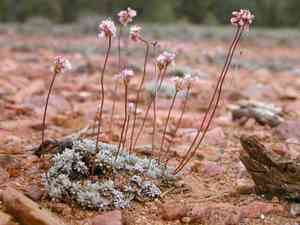
Kennedy's buckwheat (Eriogonum kennedyi)
Also known as: Kern buckwheat, Southern mountain buckwheat
The plant you're referring to is likely the Desert Mallow (Sphaeralcea ambigua). This perennial shrub is native to arid, mountainous regions and thrives in well-drained soil with ample sunlight. It showcases clusters of pink to red flowers and has distinctive woolly, gray-green leaves. Its rounded growth habit and drought tolerance make it well-suited for harsh climates, attracting various pollinators.
In This Article
Attributes of Kennedy's buckwheat
Lifespan
Perennial
Plant Type
Herb, Shrub
Plant Height
2 to 5 inches
Spread
Up to 24 inches
Leaf Color
Gray-green
Flower Size
Less than 1 inch
Flower Color
White to pinkish
Images of Kennedy's buckwheat
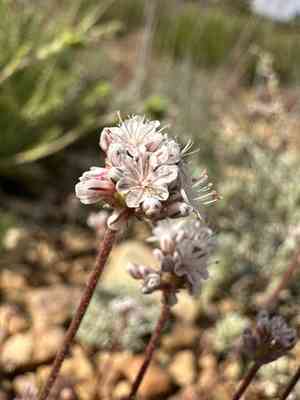
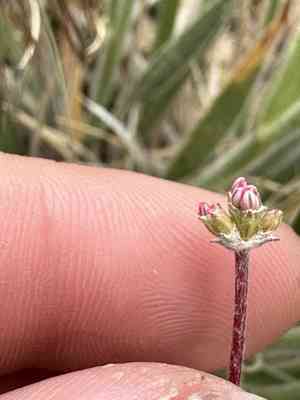
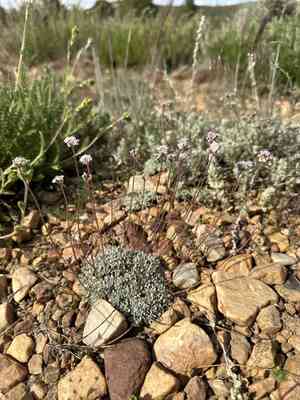
Quickly Identify Kennedy's buckwheat
1
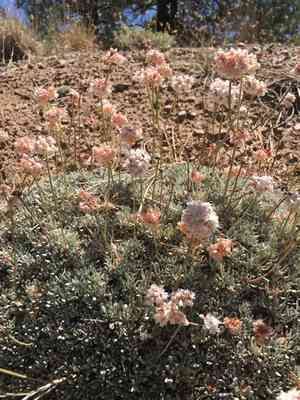
Identification can be done by observing its prostrate growth habit, small rounded leaves which are gray-green and woolly, and inflorescences with tiny white to pinkish flowers.
Scientific Classification of Kennedy's buckwheat
Phylum
Vascular plants
Class
Dicotyledons
Order
Caryophyllales
Family
Buckwheat
Genus
Wild Buckwheat
Species
Kennedy's buckwheat
Planting and Growing of Kennedy's buckwheat
Care Difficulty
Moderate
Watering Schedule
Every 2 days
Sunlight Requirements
Full sun
Sunshine Duration
6-10 hours
Ideal Temperature
60-75℉
Soil Type
Potting Mix, Peat Mix
Soil pH
6.5-7.5
Fertilizer Type
Balanced
Pruning Season
Spring, Summer
Pruning Area
Branches, Leaves
Pruning Frequency
2 times a year
Repotting Season
Spring
Pot Type
Plastic, Ceramic
 How to Water Kennedy's buckwheat?
Eriogonum kennedyi, a native desert plant, requires modest watering. Typically, 250 ml per session is adequate, ensuring moisture reaches the deeper roots without saturating the soil. This method mimics its natural arid environment, where deep but infrequent rains occur.
What are the symptoms of an underwatered Kennedy's buckwheat?
›
What should I do if my Kennedy's buckwheat is not getting enough water?
›
What are the symptoms of an overwatered Kennedy's buckwheat?
›
How to save an overwatered Kennedy's buckwheat?
›
 What Are the Sunlight Requirements for Kennedy's buckwheat?
Eriogonum kennedyi prefers full sun environments, benefiting from prolonged exposure to sunlight throughout the day. This maximizes its energy capture, boosting photosynthetic efficiency, growth rate, and flowering potential.
What type of sunlight does Eriogonum kennedyi thrive in?
›
How can you ensure Eriogonum kennedyi receives ideal sunlight conditions?
›
What are the benefits of providing Eriogonum kennedyi with ideal sunlight conditions?
›
 What Is the Ideal Temperature Range for Kennedy's buckwheat?
The ideal temperature range for cultivating Eriogonum kennedyi is between 60°F and 75°F. This range supports optimal growth, allowing the plant to photosynthesize efficiently and absorb nutrients effectively. Maintaining temperatures within this range can lead to healthy foliage and vibrant blooms. It is crucial to keep the plant in environments that do not deviate significantly from these temperatures for prolonged periods to prevent stress.
 What Soil is Best for Kennedy's buckwheat?
Eriogonum kennedyi thrives in well-drained sandy soil, enabling its roots to breathe easily while providing excellent drainage that prevents root rot. This soil condition mimics its natural habitat, allowing the plant to achieve optimal growth. This plant prefers a moderately nutrient-rich substrate, which provides the essential nutrients needed for healthy foliage and vibrant flower production without overwhelming the plant. This balance helps in maintaining the plant’s natural resilience and growth cycle. Good soil aeration and porosity are crucial for Eriogonum kennedyi as they allow oxygen to reach the roots effectively while promoting beneficial microbial activity. This soil quality supports vigorous root health and overall plant vitality.
 How to Fertilize Kennedy's buckwheat?
Eriogonum kennedyi is a plant that thrives in nutrient-poor soils, so it doesn’t need heavy fertilization. Apply a balanced liquid fertilizer diluted to a quarter strength, about 1/4 teaspoon per gallon, to avoid over-fertilizing and harming the plant.
 How to Prune Kennedy's buckwheat?
Start by identifying any diseased or damaged branches and cut them back to healthy growth. This helps prevent the spread of any potential disease and promotes overall plant health. Trim back any long or unruly stems to maintain the desired shape of the plant. This helps Eriogonum kennedyi maintain a balanced form, rather than allowing it to become unruly.
More About Pruning Techniques→
 How to Propagate Kennedy's buckwheat plant?
1
Begin by filling seed trays with a well-draining seed starter mix. Sprinkle Eriogonum kennedyi seeds evenly across the surface, and cover them with a thin layer of soil. Keep the soil moist but not waterlogged during the germination period.
2
Select a healthy, non-flowering stem from the Eriogonum kennedyi plant. Using sharp pruning shears, trim a 4-6 inch piece of stem. Remove the lower leaves and plant the cutting in a pot filled with a sterile, well-draining potting mix.
3
For cuttings, create a humid environment to encourage rooting. This can be done by covering the cutting with a clear plastic bag or using a misting system. Ensure the plastic does not touch the leaves to prevent rot.
 How to Repot Kennedy's buckwheat plant?
1
Eriogonum kennedyi should be repotted when you notice roots emerging from drainage holes, indicating the plant is root-bound. Additionally, if you observe reduced growth or yellowing leaves, it's time for repotting. Spring and summer are ideal seasons, as the plant is actively growing and can quickly adapt to fresh soil conditions.
2
Selecting the right pot for Eriogonum kennedyi is vital for ensuring proper growth. Opt for a pot that is only slightly larger than the current one to maintain a balance between stimulating root growth and avoiding excessive water retention. Ensure the pot has adequate drainage holes to prevent water logging that can lead to root rot.
3
The ideal soil for Eriogonum kennedyi should mimic its natural habitat. Use a well-draining sandy mix to allow excellent airflow and avoid water retention. This soil composition aids in preventing common issues like root rot and fosters a healthy growing environment for the plant's unique needs.
Learn More About Kennedy's buckwheat Diseases
Anthracnose
Bacterial Leaf Spot
Bacterial Wilt
Chemical Injury
Crown Gall
Cyst Nematode
Damping-off
Downy Mildew
Drought Stress
Fusarium Wilt
Gray Mold
Leaf Curl
Leaf Spot
Mosaic
Nutrient Deficiency
Nutrient Toxicity
Powdery Mildew
Root Rot
Root-knot Nematode
Rusts
Sooty Mold
Spider Mites
Temperature Stress
Thrips Damage
White Mold



