How to Transplant White mountains buckwheat?
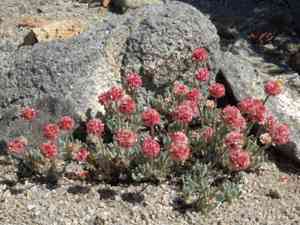
Eriogonum ovalifolium var. nivale flourishes when relocated during the lively period of early to mid-spring, owing to ideal soil warmth. Select a bright spot with soil that drains effectively to boost development and lessen the impact of transplanting. Confirm the earth is sufficiently damp for a seamless adjustment.
Essential Preparations Before Relocating White Mountains Buckwheat?
Optimal Period for Moving White Mountains Buckwheat?
White mountains buckwheat, a perennial, is best moved in early to mid-spring. This timing allows the plant to adjust before summer heat, promoting robust root development. Early spring moves benefit from moist soil and mild temperatures, ensuring better establishment and growth throughout the season.
Recommended Spacing Between White Mountains Buckwheat Plants?
Position your white mountains buckwheat plants approximately 1-2 feet (30-60 cm) apart. This provides ample room for growth and ensures adequate air circulation, vital for their health and vigor.
Ideal Soil Mixture for White Mountains Buckwheat Relocation?
For planting white mountains buckwheat, utilize well-draining soil with a sandy or gravelly consistency. Incorporate a base fertilizer rich in phosphorus and potassium, but low in nitrogen. This will support root growth and flowering.
Preferred New Location for Your White Mountains Buckwheat?
Select a sunny spot for your white mountains buckwheat plants. They flourish best in full sun, meaning they require at least 6-8 hours of direct sunlight daily. This aids in their strong and healthy development.
Equipment Needed Before Transplanting White Mountains Buckwheat?
Gardening Gloves
To safeguard your hands while handling soil and plants.
Shovel or Spade
For excavating the planting hole and extracting the plant from its original spot.
Trowel
For managing smaller plants or intricate tasks.
Watering Can or Hose
To hydrate the plant before and after its relocation.
Rooting Hormone (optional)
To encourage root development and help the plant settle faster in its new environment.
Garden Fork
To loosen the soil in the designated planting area.
How to Extract White Mountains Buckwheat from its Current Location?
How to Extract White Mountains Buckwheat from its Current Location?
From Ground: First, moisten the white mountains buckwheat plant's soil. Then, dig a wide trench around the plant using a shovel or spade, ensuring the root ball remains intact. Carefully work the spade beneath the root ball to lift the plant from its original position.From Pot: Thoroughly water the white mountains buckwheat plant. Gently invert the pot while supporting the plant's base, and slowly ease the plant out by its stem or main stalk. Be careful not to pull too forcefully.From Seedling Tray: Water the seedlings and carefully use a trowel or spoon to lift the white mountains buckwheat plant, ensuring the root ball and surrounding soil stay together.
Step-by-Step Guide for Relocating White Mountains Buckwheat
Site Preparation
Prepare the new site by loosening the soil with a garden fork. Dig a hole that is twice as wide and as deep as the white mountains buckwheat's root ball.
Hole Preparation
If using, dip the white mountains buckwheat's roots in rooting hormone. Position white mountains buckwheat in the center of the hole, ensuring it sits at the same depth as it was previously.
Backfilling
Fill the hole with soil around white mountains buckwheat, gently pressing it down to eliminate air pockets. Ensure the plant stands firmly but avoid compacting the soil too tightly.
Watering
Thoroughly water white mountains buckwheat to help the soil settle and minimize transplant shock.
Post-Transplant Care for White Mountains Buckwheat?
Watering
Maintain consistent moisture around white mountains buckwheat, avoiding sogginess, for the initial weeks after transplanting to aid in strong root establishment.
Mulching
Apply a layer of mulch around white mountains buckwheat, keeping it clear of the stem, to retain moisture and regulate soil temperature.
Monitoring
Observe white mountains buckwheat for indications of transplant shock, such as wilting or yellowing leaves. Adjust care as necessary to assist the plant's recovery.
Addressing Common Issues During White Mountains Buckwheat Transplantation.
When is the optimal time to move white mountains buckwheat?
The best period to relocate white mountains buckwheat is early to mid-spring for ideal growth and adaptation.
What distance should I maintain when moving white mountains buckwheat?
Keep a distance of 1 to 2 feet (30 to 60 cm) between each plant for optimal development.
How do I get the soil ready for relocating white mountains buckwheat?
Ensure the soil drains well and enrich it with organic matter to boost fertility.
How deep should I plant white mountains buckwheat during relocation?
Plant white mountains buckwheat at the same depth it was in its original container to prevent stress.
What if white mountains buckwheat leaves turn yellow after relocation?
Yellowing leaves might signal overwatering. Confirm good drainage and reduce watering frequency.
Can white mountains buckwheat handle full sun after being moved?
Yes, white mountains buckwheat thrives in full sun. Gradually introduce the plant to avoid transplant shock.
How can I lessen transplant shock in white mountains buckwheat?
Water the plant thoroughly before and after moving. Avoid disturbing roots and provide initial partial shade.
What kind of fertilizer should I use for white mountains buckwheat after transplant?
Utilize a balanced, slow-release fertilizer to supply essential nutrients without overwhelming the plant.
How often should I water white mountains buckwheat after relocation?
Water white mountains buckwheat thoroughly immediately after moving, then water moderately to keep the soil slightly moist but not waterlogged.
What should I do if white mountains buckwheat wilts after relocation?
Wilting may indicate transplant shock. Ensure consistent watering, provide partial shade, and avoid excessive fertilization.



