How to Prune White mountains buckwheat?
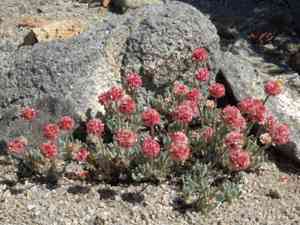
Eriogonum shockleyi flourishes in elevated terrains, characterized by its unique pale blossoms. To ensure peak condition, trim in late winter to early spring prior to the emergence of fresh shoots. Concentrate on excising deceased or compromised limbs and any congested stalks to improve air movement and light exposure. Trimming Eriogonum shockleyi stimulates more robust development and a greater abundance of flowers. Verify that all cuts are precise to deter pathogens. Consistent trimming aids in preserving the plant's form and vitality, fostering a sturdy and attractive garden feature.
What Are the Benefits of Pruning White Mountains Buckwheat?
What Are the Benefits of Pruning White Mountains Buckwheat?
Pruning white mountains buckwheat encourages robust development and maintains its form. This improves its look, helps it resist pests and illnesses, and guarantees healthy blooms. Pruning also manages its size, making it more manageable and visually appealing.
What Is the Best Time for Pruning White Mountains Buckwheat?
What Is the Best Time for Pruning White Mountains Buckwheat?
Trimming white mountains buckwheat in early spring or late winter is most advantageous as it precedes the plant's active growth period. Pruning during these times reduces stress and potential harm to the plant while fostering new, healthy growth. Additionally, avoiding pruning during active growth and flowering prevents disruption of bloom cycles, allowing white mountains buckwheat to focus energy on producing vibrant flowers. These periods also typically have milder weather, lowering the risk of injury or disease to pruned areas.
What Tools Do I Need to Prune White Mountains Buckwheat?
Hand Pruners
Crucial for precise cuts and managing smaller stems and branches of white mountains buckwheat. They ensure clean cuts without harming the plant.
Bypass Pruners
Preferred for their scissor-like action, which creates cleaner cuts, reducing the chance of disease entry points.
Pruning Shears
Useful for trimming back overgrown sections. They allow for detailed shaping without causing damage to white mountains buckwheat.
Thinning Shears
Perfect for removing dead or diseased growth, promoting better air circulation within the plant.
How to Prune White Mountains Buckwheat
Inspect
Carefully examine white mountains buckwheat for any indications of diseased or withered foliage. Pay close attention to discoloration, mold, or spots that suggest health issues.
Disinfect
Before trimming, ensure your pruning tools are clean and sanitized to prevent the spread of disease. Use a solution of 70% isopropyl alcohol or a household disinfectant.
Remove diseased
Using sharp pruning shears, cut away any diseased leaves close to the base of the leaf stem. Make clean cuts to avoid tearing the plant tissue.
Remove withers
Trim off withered leaves similarly, ensuring you cut back to the healthy part of the stem or leaf. Discard these leaves away from the plant area to prevent potential contamination.
Dispose
Properly dispose of all pruned plant material in a sealed bag or by burning. Do not compost these materials to avoid spreading diseases.
Common Pruning Mistakes with White Mountains Buckwheat
Improper Technique
Using dull or unsuitable tools can cause jagged cuts and damage white mountains buckwheat, leading to disease or pest infestations.
Over-pruning
Removing too much foliage at once can stress white mountains buckwheat, causing reduced growth, less flowering, and increased vulnerability to environmental stressors.
Incorrect Wounding
Cutting too close to the main stem or trunk can make white mountains buckwheat susceptible to disease and hinder proper healing.
Ignoring Dead or Diseased Wood
Failing to remove dead or diseased branches can spread infection to healthy parts of white mountains buckwheat, compromising the plant’s overall health.
Common Pruning Tips for White Mountains Buckwheat
Sharp Tools
Always use sharp, clean pruning shears or loppers to make clean cuts, promoting quicker healing and minimizing the risk of disease.
Prune Moderately
Trim sparingly to maintain the natural shape of white mountains buckwheat. Focus on removing dead, damaged, or crossing branches rather than extensive foliage.
Cut at the Right Spot
When pruning, make cuts just above a bud or branching point without leaving stubs or cutting too close to the main stem.
Sanitize Equipment
Regularly disinfect pruning tools with a solution of 70% isopropyl alcohol to prevent the spread of pathogens.
Regular Inspection
Consistently monitor white mountains buckwheat for signs of disease, pest infestation, or deadwood, and prune promptly to maintain plant health.



