How to Propagate White mountains buckwheat?
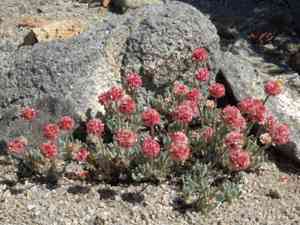
White mountains buckwheat, a species within the Polygonaceae family, flourishes in adequately draining substrates with average moisture requirements. Direct seeding proves efficient, provided seeds are thinly covered and consistently hydrated until sprouting. An optional preliminary treatment like cold stratification may improve outcomes. Ideally cultivated in a sun-exposed area, white mountains buckwheat benefits from periodic irrigation during its initial growth phase. Upon reaching maturity, it exhibits considerable resistance to arid conditions, rendering it a suitable option for water-wise landscaping.
Optimal Period for White Mountains Buckwheat Propagation
Propagation Method
Seeding
Propagation Period
Spring
Tools Utilized for White Mountains Buckwheat Propagation
Seedling Trays
These offer a controlled setting for young plants to form robust root systems, simplifying the transplanting of white mountains buckwheat once established.
Seed Starting Mix
A well-draining, nutrient-rich medium ensures effective seed germination without waterlogging, vital for white mountains buckwheat's initial growth.
Humidity Dome
High humidity is crucial for seed germination. This tool helps maintain moisture and creates a stable micro-environment for white mountains buckwheat seeds to develop.
Heat Mat
Consistent warmth boosts germination rates by simulating natural soil temperatures. This particularly benefits white mountains buckwheat, promoting quicker, more uniform sprouting.
Spray Bottle
Enabling gentle watering, spray bottles prevent dislodging or damaging white mountains buckwheat seeds and seedlings, maintaining proper moisture without over-saturation.
Labels and Markers
Accurate labeling aids in tracking white mountains buckwheat's growth and prevents confusion, ensuring the plant's specific needs are met throughout propagation.
Fine-mesh Sieve
Used to uniformly distribute seeds in trays, especially if white mountains buckwheat seeds are small or require a specific planting depth for optimal germination.
Grow Lights
Supplemental artificial light ensures white mountains buckwheat seedlings receive sufficient light for photosynthesis, fostering healthy, vigorous growth even in low-light conditions.
How to Propagate White Mountains Buckwheat?
Propagation Type
Simple
Post-Propagation Care for White Mountains Buckwheat
Post-Propagation Care for White Mountains Buckwheat
After propagation, ensure white mountains buckwheat is placed in full sunlight, mimicking its natural habitat. Water sparingly, allowing the soil to dry between waterings to prevent root rot. Avoid excessive fertilization; native plants like white mountains buckwheat typically thrive in low-nutrient conditions. Monitor for pests and diseases, though white mountains buckwheat is generally resilient if kept in suitable conditions.
Common Errors to Avoid When Propagating White Mountains Buckwheat
Overwatering
This can lead to root rot, which is harmful to white mountains buckwheat as it thrives in well-drained soils.
Poor soil selection
Using rich, fertile soil can be too dense and retain too much moisture, negatively impacting white mountains buckwheat's growth.
Incorrect light exposure
Too much shade can hinder white mountains buckwheat's photosynthesis, resulting in weak, leggy growth.
Improper seed handling
Failure to stratify or scarify seeds can lead to low germination rates for white mountains buckwheat.
Inadequate spacing
Planting white mountains buckwheat too close together can cause competition for resources and increase disease risk.
Tips For Propagating White Mountains Buckwheat
Well-draining soil
Ensure the use of sandy or gritty soil mixes that replicate white mountains buckwheat's natural environment.
Moderate watering
Water sparingly, allowing the soil to completely dry out between waterings to prevent root rot.
Full sunlight
Place white mountains buckwheat in areas receiving at least 6 hours of direct sunlight daily for optimal growth.
Seed preparation
Stratify seeds by chilling them for several weeks before sowing to break dormancy and improve germination.
Proper spacing
Space plants adequately to ensure good air circulation and reduce competition for nutrients.



