How to Transplant Tall woolly buckwheat?
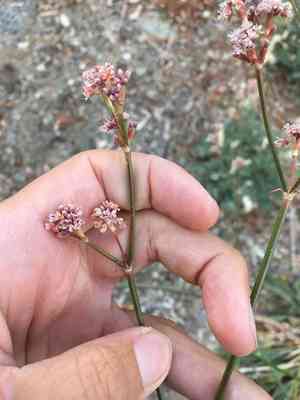
Eriogonum elatum flourishes when relocated during the revitalizing period of early to mid-spring. These plants favor a bright spot with soil that drains effectively. Confirm the chosen area remains undisturbed after transplanting to ensure robust establishment.
What Preparations are Needed Before Transplanting Tall Woolly Buckwheat?
What is the Ideal Time for Transplanting Tall Woolly Buckwheat?
The best period for relocating tall woolly buckwheat is from early to late spring, once the ground warms and frost danger has passed. This timing allows tall woolly buckwheat to develop strong root systems before the intense summer heat. Moving it during this window encourages better growth and survival, ensuring a healthier plant in its new spot.
How Much Space Should You Leave Between Tall Woolly Buckwheat Plants?
When transplanting tall woolly buckwheat, ensure each plant is positioned 18-24 inches (45-60 cm) apart. This provides ample room for their comfortable growth and spread.
What is the Best Soil Mix for Tall Woolly Buckwheat Transplanting?
Prepare soil that drains well and is mixed with some organic compost, as tall woolly buckwheat thrives in these conditions. A balanced nutrient fertilizer (10-10-10) can provide a good initial boost.
Where Should You Relocate Your Tall Woolly Buckwheat?
Select a sunny location for tall woolly buckwheat, as it prefers full sun exposure, requiring at least 6 hours of direct sunlight daily to flourish.
What Equipments Should You Prepare Before Transplantation Tall Woolly Buckwheat?
Gardening Gloves
To safeguard your hands while handling soil and the plant.
Shovel or Spade
For digging and lifting the plant from its original spot.
Trowel
Perfect for managing smaller plants or seedling containers.
Watering Can or Hose
To hydrate the plant both before and after the transplanting process.
Pruners
To trim any damaged or excess roots.
Mulch
To help maintain soil moisture and regulate temperature around the newly transplanted specimen.
Stakes and Ties
To offer support to the plant if necessary after transplanting.
How Do You Remove Tall Woolly Buckwheat from the Soil?
How Do You Remove Tall Woolly Buckwheat from the Soil?
From Ground: First, water the tall woolly buckwheat plant to moisten the soil. Then, dig a wide trench around the plant using a shovel or spade, making sure the plant's root ball stays intact. Carefully work the spade beneath the root ball to lift the plant from its original location.From Pot: Water the tall woolly buckwheat plant thoroughly a few hours before transplanting. Gently tip the pot, supporting the plant at its base, and slide it out of the container. If it resists, tap the sides or bottom of the pot to loosen the soil and roots.From Seedling Tray: Use a trowel to carefully lift each plant from the seedling tray. Ensure you extract as much root as possible without causing damage. This is easier if the tray is well watered, as moist soil holds together better.
Step-by-Step Guide for Transplanting Tall Woolly Buckwheat
Plant Preparation
Ensure the tall woolly buckwheat plant is well-hydrated before removing it from its initial spot. This helps minimize transplant shock.
Digging the Hole
Excavate a hole in the new location that is twice as wide and the same depth as the root ball of your tall woolly buckwheat plant.
Planting
Place the tall woolly buckwheat plant into the hole, ensuring it sits at the same depth as it was in its previous location. Gently backfill the hole with soil, firming it around the plant's base.
Watering
Once the plant is in place, water it thoroughly to help settle the soil and eliminate any air pockets around the roots.
Mulching
Apply a layer of mulch around the plant's base to help retain moisture and keep the soil cool.
Staking
If the tall woolly buckwheat plant is tall or lanky, consider staking it to provide support until its roots have re-established.
How Do You Care For Tall Woolly Buckwheat After Transplanting?
Watering
Keep the soil around the tall woolly buckwheat consistently moist, but not waterlogged, for the first few weeks after transplanting to help establish strong roots.
Monitoring
Observe for any signs of transplant shock, such as wilting or yellowing leaves, and provide necessary care, like adjusting watering.
Protection
Shield the tall woolly buckwheat from extreme weather conditions like intense sun or strong winds until it becomes established in its new location.
Pruning
Trim any damaged or diseased parts of the plant to encourage healthier growth.
Fertilizing
Avoid fertilizing immediately after transplanting as it could stress the plant further; wait a few weeks for the plant to settle in.
Troubleshooting Common Issues with Tall Woolly Buckwheat Transplantation.
When is the best time to transplant tall woolly buckwheat?
The optimal period to transplant tall woolly buckwheat is from early spring to late spring.
What spacing is recommended for tall woolly buckwheat during transplantation?
Space tall woolly buckwheat plants 18-24 inches (46-61 cm) apart for optimal growth.
How should the soil be prepared for tall woolly buckwheat transplantation?
Ensure well-draining soil and enrich with compost for a nourishing planting environment.
What is the best way to water tall woolly buckwheat after transplanting?
Water thoroughly after transplanting and maintain consistently moist, but not soggy, soil.
What should I do if tall woolly buckwheat looks wilted after transplanting?
Provide shade, ensure adequate watering, and avoid disturbing the roots to aid recovery.
How deep should I plant tall woolly buckwheat during transplantation?
Plant tall woolly buckwheat at the same depth as it was in its previous location.
How can I reduce transplant shock in tall woolly buckwheat?
Water well, offer initial shade, and transplant during cooler parts of the day.
What type of fertilizer is best for tall woolly buckwheat after transplanting?
Use a balanced, slow-release fertilizer to support healthy growth after transplanting.
How quickly should I see new growth after transplanting tall woolly buckwheat?
New growth may take a few weeks as the plant adapts to its new environment.
Should I prune tall woolly buckwheat before or after transplanting?
Minor pruning before transplanting can lessen stress, but avoid extensive trimming.



