How to Prune Tall woolly buckwheat?
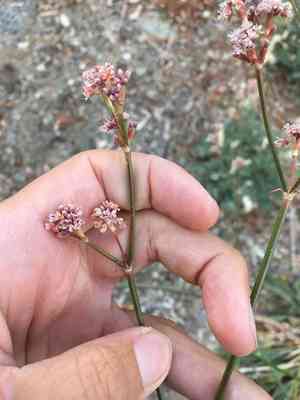
Eriogonum giganteum, recognized for its vertical habit and hirsute stalks, thrives with trimming in early spring or late winter to foster robust development and avert an elongated appearance. Eliminate any deceased or compromised stems, and gently clip to sculpt the specimen. Refrain from overly aggressive pruning, as it could impede flowering. Trimming not only sustains the plant's vitality but also elevates its aesthetic value, guaranteeing superior air movement and diminishing the likelihood of infestations and ailments.
What Are the Benefits of Pruning Tall Woolly Buckwheat?
What Are the Benefits of Pruning Tall Woolly Buckwheat?
Pruning tall woolly buckwheat encourages vigorous development and helps maintain its form. By trimming, gardeners can manage plant size, enhance its overall look, and boost its resistance to pests and diseases, ensuring a strong and thriving plant.
What Is the Best Time for Pruning Tall Woolly Buckwheat?
What Is the Best Time for Pruning Tall Woolly Buckwheat?
Trimming tall woolly buckwheat in late winter to early spring aligns with its dormant period, minimizing stress and lowering disease risk. This timing also fosters healthy growth as the plant enters its active season. Pruning during these periods ensures any damaged or dead branches are removed before new growth begins, promoting a strong and healthy structure without disrupting its natural flowering cycle.
What Tools Do I Need to Prune Tall Woolly Buckwheat?
Bypass Pruners
Perfect for cleanly cutting live stems without crushing, suitable for the delicate stems of tall woolly buckwheat.
Hedge Shears
Useful for trimming larger areas and maintaining the plant's overall shape. Effective for removing dead or overgrown sections.
Pruning Saw
Essential for cutting thicker stems or woody parts. Needed for older or well-established tall woolly buckwheat plants.
Gloves
Protect hands from potential irritants or prickly plant parts, ensuring a secure grip on tools.
Sterilizing Solution
Important for sanitizing tools between cuts to prevent disease spread, preserving the health of tall woolly buckwheat.
How to Prune Tall Woolly Buckwheat
Inspect
Examine tall woolly buckwheat thoroughly for any indications of diseased, damaged, or withered foliage.
Clean tools
Ensure your trimming implements are clean and sterilized to prevent potential infections.
Remove diseased leaves
Carefully cut away any diseased foliage, making sure to cut back to healthy tissue to avoid spreading the ailment.
Remove withered leaves
Trim withered foliage close to the stem's base or at a natural junction to encourage healthy regrowth.
Dispose properly
Properly discard all removed plant material to prevent disease spread. Do not compost if diseased.
Common Pruning Mistakes with Tall Woolly Buckwheat
Improper Technique
Using dull or dirty tools can harm tall woolly buckwheat and make it vulnerable to disease. Always use sharp, clean pruning tools.
Over-Pruning
Removing too much foliage at once can stress tall woolly buckwheat and hinder its growth. Limit pruning to no more than a third of the plantâs total foliage at one time.
Incorrect Angles
Cutting branches at improper angles can lead to water accumulation and rot. Ensure cuts are made at a slight angle away from the bud or main stem.
Not Assessing Health
Failing to inspect for disease or pest infestations before pruning can spread problems throughout tall woolly buckwheat. Always assess the plantâs health prior to pruning.
Ignoring the Plantâs Shape
Pruning without considering the natural shape of tall woolly buckwheat can result in an unattractive appearance and may hinder healthy growth. Follow the plantâs natural form when making cuts.
Common Pruning Tips for Tall Woolly Buckwheat
Use Sharp Tools
Ensure pruning shears or scissors are sharp to make clean cuts, reducing the risk of tearing branches.
Sanitize Tools
Disinfect tools before and after pruning to prevent the spread of pathogens. Use a solution of bleach or rubbing alcohol.
Target Damaged and Dead Growth
Focus on removing any dead, damaged, or diseased branches first to promote healthier regrowth.
Follow the Natural Shape
Tall woolly buckwheat has a distinct growth pattern. Prune in a way that maintains its natural form and supports robust growth.
Make Clean Cuts
Always make clean cuts just above a node or lateral bud to encourage new growth and prevent dieback.
Monitor Growth
After pruning, regularly check tall woolly buckwheat for any signs of stress or disease and address issues promptly to ensure continual healthy development.



