How to Propagate Tall woolly buckwheat?
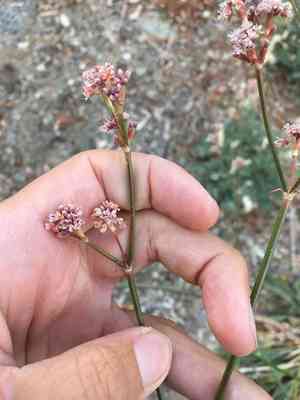
Eriogonum elatum, a blooming species within the Polygonaceae family, originates from the western regions of the United States. To cultivate Eriogonum elatum, begin by gathering seeds from established specimens. Plant these seeds in a substrate that drains effectively, maintaining slight dampness until sprouting occurs. The cultivation environment ought to replicate its native settingâample sunlight and either stony or sandy substrates are crucial for peak development. Consistent inspection for infestations and ailments is vital for preserving the well-being of nascent plants.
Optimal Period for Propagating Tall Woolly Buckwheat?
Propagation Method
Seeding
Propagation Period
Spring
Tools Utilized in Tall Woolly Buckwheat Propagation?
Seed Trays
Seed trays are vital for planting seeds in a controlled setting. They offer an organized space for seeds to sprout and develop into young plants prior to transplanting. Seed trays enable consistent spacing, which is crucial for tall woolly buckwheat as crowding can result in poor development and disease spread.
Premium Seed Starting Mix
A high-quality seed starting mix delivers the essential nutrients and drainage needed for seed germination and initial growth. This guarantees that tall woolly buckwheat seedlings get a robust start, minimizing the risk of problems like damping-off disease.
Heating Mat
A heating mat positioned beneath seed trays helps maintain an ideal soil temperature for germination. Tall woolly buckwheat seeds benefit from steady warmth, which accelerates germination and enhances seedling vigor.
Humidity Dome
A humidity dome placed over seed trays retains moisture and creates a humid environment, which is critical for the germination of tall woolly buckwheat seeds. It helps prevent the soil from drying out and encourages uniform germination.
Seed Label Markers
Label markers are important for distinguishing different seed types during propagation. This is essential for tall woolly buckwheat if multiple species or various plant varieties are being propagated simultaneously, ensuring accurate identification and care throughout the growth stages.
Fine Spray Water Bottle
A fine spray water bottle allows for gentle watering of seeds without disturbing the soil or newly emerged seedlings. It ensures tall woolly buckwheat seeds receive sufficient moisture without the danger of waterlogging.
Grow Lights
If indoor sowing is performed, grow lights supply the necessary light spectrum required for tall woolly buckwheat seedlings to photosynthesize and grow strong. They supplement natural light, especially in low-light conditions or during colder months.
Germination Station
A germination station, typically comprising a seed tray, heating mat, and humidity dome, provides a complete setup for successful seed germination and early growth of tall woolly buckwheat. It offers a controlled environment conducive to healthy seedling development.
How to Propagate Tall Woolly Buckwheat?
Propagation Difficulty
Simple
How to Care for Your Newly Propagated Tall Woolly Buckwheat?
How to Care for Your Newly Propagated Tall Woolly Buckwheat?
Once tall woolly buckwheat seedlings are transplanted, continue to provide them with well-drained soil and full sun exposure. Water the plants moderately, allowing the soil to dry out between watering sessions to prevent root rot. Mulching around the base can help retain soil moisture and regulate temperature. Fertilize sparingly with a balanced, slow-release fertilizer. Monitor for pests and diseases, and address any issues promptly to ensure healthy growth.
Common Errors to Avoid When Propagating Tall Woolly Buckwheat
Excessive Watering
Since tall woolly buckwheat prefers well-drained soil, overwatering can lead to root rot and other fungal diseases.
Inappropriate Soil
Using nutrient-rich or heavy soils can harm tall woolly buckwheat, which thrives in sandy or rocky soils with low fertility.
Insufficient Sunlight
Planting tall woolly buckwheat in shaded areas can hinder its growth, as it requires full sun to flourish.
Incorrect Depth
Planting seeds or cuttings too deep can prevent successful germination and rooting.
Tips For Propagating Tall Woolly Buckwheat
Well-Drained Soil
Ensure the soil is well-drained and low in fertility to mimic tall woolly buckwheat's natural habitat.
Full Sun Exposure
Choose a location with full sun to promote healthy growth.
Seed Treatment
Stratify seeds by keeping them in a cold, moist environment for a period before planting to improve germination rates.
Shallow Planting
Plant seeds or cuttings at an appropriate, shallow depth to ensure successful propagation.
Spacing
Provide adequate spacing between plants to facilitate air circulation and reduce disease risk.



