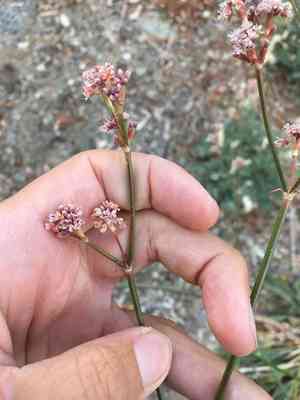
Tall woolly buckwheat (Eriogonum elatum)
Also known as: Tall villose wild buckwheat, Tall buckwheat
Tall woolly buckwheat is a distinctive perennial herb, notable for its tall, upright stems and clusters of small, white to pinkish flowers. It thrives in dry, rocky habitats, making it well-suited to arid and semi-arid regions. Its gray-green, spoon-shaped leaves grow in a dense rosette at the base, supporting the flowering stalks that attract pollinators and add a splash of color to the harsh terrain.
In This Article
Attributes of Tall woolly buckwheat
Lifespan
Perennial
Plant Type
Herb
Plant Height
38 cm to 1.1 m
Spread
Up to 1 foot
Leaf Color
Green to gray-green
Flower Size
Approximately 0.1 to 0.2 inches
Flower Color
White to creamy, sometimes pinkish
Images of Tall woolly buckwheat
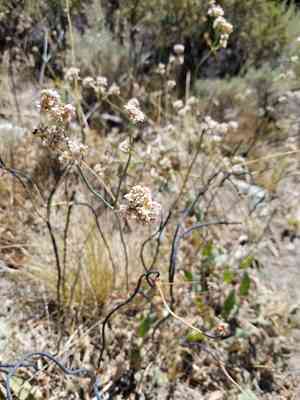
Quickly Identify Tall woolly buckwheat
1
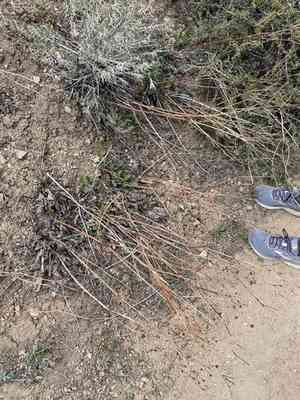
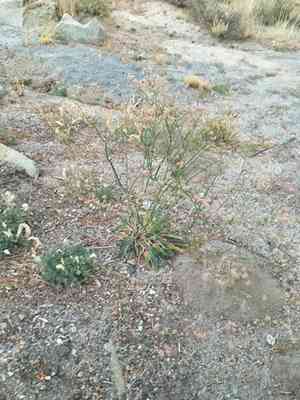
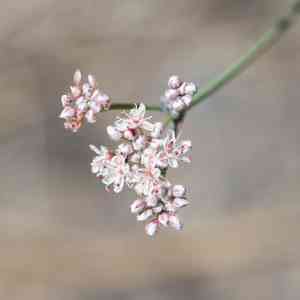
Eriogonum elatum can be identified by its tall, slender stems that can reach up to several feet in height. The leaves are mostly basal, lance-shaped, and covered in fine hair. The flowers are small, grouped in dense, rounded clusters, and typically have a white to creamy color, sometimes with hints of pink.
Scientific Classification of Tall woolly buckwheat
Phylum
Vascular plants
Class
Dicotyledons
Order
Caryophyllales
Family
Buckwheat
Genus
Wild Buckwheat
Species
Tall woolly buckwheat
Planting and Growing of Tall woolly buckwheat
Care Difficulty
Moderate
Watering Schedule
Every 2 days
Sunlight Requirements
Full sun
Sunshine Duration
4-6 hours
Ideal Temperature
55-75℉
Soil Type
Potting Mix, Peat Mix
Soil pH
6.5-7.5
Fertilizer Type
Balanced
Pruning Season
Spring, Summer
Pruning Area
Branches, Leaves
Pruning Frequency
Once a year
Repotting Season
Spring
Pot Type
Terracotta, Plastic
 How to Water Tall woolly buckwheat?
Eriogonum elatum, known for its resilience in dry conditions, should be watered with about 250 milliliters per session. The goal is to moisten the soil thoroughly, allowing the water to soak down to the roots without leaving the soil overly saturated.
What are the symptoms of an underwatered Tall woolly buckwheat?
›
What should I do if my Tall woolly buckwheat is not getting enough water?
›
What are the symptoms of an overwatered Tall woolly buckwheat?
›
How to save an overwatered Tall woolly buckwheat?
›
 What Are the Sunlight Requirements for Tall woolly buckwheat?
Eriogonum elatum thrives in full to partial sunlight. This range supports optimal photosynthesis, leading to enhanced growth and environmental contributions, such as supporting pollinator species.
What is the best location for Eriogonum elatum?
›
How to ensure enough sunlight for Eriogonum elatum?
›
Benefits of ideal lighting for Eriogonum elatum?
›
 What Is the Ideal Temperature Range for Tall woolly buckwheat?
The ideal temperature range for Eriogonum elatum is between 55°F and 75°F. This range provides optimal conditions for the plant's growth and metabolic functions, ensuring efficient photosynthesis and energy use. Consistent temperatures within this band will promote healthy foliage and flowering.
 What Soil is Best for Tall woolly buckwheat?
Eriogonum elatum thrives in well-drained soil, which prevents waterlogging that can lead to root rot. This drainage enhances the aeration of the roots, promoting healthier and more robust growth. The plant prefers soil with moderate fertility, allowing it to access essential nutrients without overwhelming the roots. Balanced fertility promotes sustainable growth and flowering. This species has low moisture requirements, making it tolerant to dry conditions once established. It adapts well to arid environments, reducing the need for frequent watering.
 How to Fertilize Tall woolly buckwheat?
For Eriogonum elatum, it is recommended to use approximately 1/4 teaspoon of a balanced liquid fertilizer diluted in one gallon of water when applying liquid fertilizers. This ensures the plant receives the necessary nutrients without the risk of over-fertilization.
 How to Prune Tall woolly buckwheat?
Begin by inspecting Eriogonum elatum, identifying any dead, diseased, or damaged branches. Use sharp, clean pruning shears to make precise cuts just above a healthy leaf node or bud. When pruning for shape, aim to create an open structure allowing light and air to penetrate, which helps prevent fungal diseases and encourages more vibrant blooms.
More About Pruning Techniques→
 How to Propagate Tall woolly buckwheat plant?
1
Begin by filling a seed tray with a well-draining potting mix, sowing seeds evenly across the surface, and lightly covering them with a layer of soil. Maintain consistent moisture but avoid waterlogging to encourage germination.
2
Choose healthy, young shoots from the parent plant as cuttings. Using a sterilized knife or scissors, make a clean cut below a node. Remove lower leaves to prevent them from sitting in water or soil.
3
Place the cuttings in pots filled with a sterile rooting medium and cover with a plastic bag or propagator lid to maintain humidity. Position in indirect sunlight and water periodically until roots develop.
 How to Repot Tall woolly buckwheat plant?
1
Eriogonum elatum typically signals the need for repotting when its roots begin to emerge through the drainage holes or the plant becomes root-bound within its container. Early spring to mid-summer is an ideal period for repotting, capitalizing on the plant's natural growth cycle. This allows the plant to recover and establish itself in the new potting environment effectively.
2
Select a pot that is slightly larger than the current one, allowing approximately one to two inches of additional space around the root ball. Ensure the pot has sufficient drainage holes to prevent waterlogging, which can cause root rot. Using a terracotta pot can enhance drainage and aeration, meeting the plant's requirements for dry, airy conditions.
3
Eriogonum elatum thrives in well-draining sandy soil, which mimics its natural environment. Opt for a mix that includes sand or perlite to improve drainage and aeration. This soil choice prevents water retention and allows roots to breathe, crucial for maintaining healthy root systems and supporting robust plant growth.



