How to Transplant Rockloving erigeron?
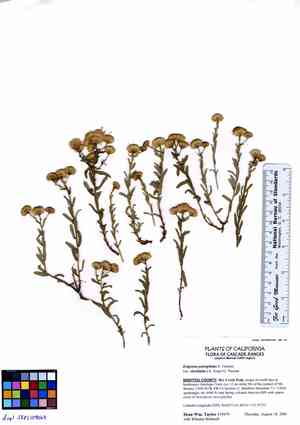
Erigeron scopulinus flourishes when relocated from the beginning to the end of spring, benefiting from ideal growing circumstances. Select a bright, adequately draining site for superior outcomes. Steer clear of excessively damp or shadowed areas to avert strain and guarantee successful integration.
What Preparations are Needed Before Relocating Rockloving Erigeron?
What is the Ideal Time for Relocating Rockloving Erigeron?
Moving rockloving erigeron during the initial to latter spring period is perfect due to mild temperatures and increased moisture. This timing allows roots to establish before summer's intense heat. Early spring relocation ensures vigorous growth and minimizes shock, contributing to the plant's overall health.
How Much Space Should You Leave Between Rockloving Erigeron Plants?
When relocating your rockloving erigeron, ensure they are spaced 12-18 inches (30-45 centimeters) apart. This spacing provides ample room for growth and flourishing, promoting good air circulation and reducing disease risk.
What is the Best Soil Mix for Rockloving Erigeron Relocation?
For your rockloving erigeron, select well-draining soil blended with organic matter like compost. This beneficial mix nourishes roots and ensures proper drainage. Before planting, consider applying a balanced base fertilizer to support healthy development.
Where Should You Relocate Your Rockloving Erigeron?
Relocate your rockloving erigeron to a sunny spot where it can receive at least 6 hours of direct sunlight daily. This ensures the plant gets sufficient energy for robust growth and vibrant blooms.
What Equipment Should You Prepare Before Relocating Rockloving Erigeron?
Gardening Gloves
To safeguard your hands while handling soil and plants.
Shovel or Spade
For excavating the hole at the new site and digging around the plant at its original spot.
Trowel
A smaller hand tool for precise digging and working soil around roots.
Watering Can or Hose
To irrigate the plant at its new position.
Wheelbarrow
To transport the plant from its initial location to the new site (if necessary).
Mulch
To help maintain soil moisture and regulate temperature after relocation.
Rooting Hormone (optional)
Can be utilized to stimulate root development post-relocation.
How Do You Extract Rockloving Erigeron from the Soil?
How Do You Extract Rockloving Erigeron from the Soil?
From Ground: First, water the rockloving erigeron plant to moisten the soil. Then, dig a wide trench around the plant using a shovel or spade, ensuring the plant's root ball remains intact. Carefully work the spade under the root ball to lift the plant from its original location.From Pot: Water the rockloving erigeron plant thoroughly to facilitate its removal. Gently tilt the pot sideways and tap the sides to loosen the soil. Grasp the base of the stem and carefully pull the plant out, keeping the root ball intact.From Seedling Tray: Water the seedlings to dampen the soil. Use a trowel or your fingers to gently scoop out each seedling, ensuring to bring along as much of the root system as possible.
Step-by-Step Guide for Relocating Rockloving Erigeron
Prepare the Site
Before moving, ensure the new location is ready by digging a hole approximately twice the width and the same depth as the plantâs root ball.
Remove the Plant
Follow the steps from the 'removal_process' section based on the initial location of your rockloving erigeron plant.
Inspect the Roots
Examine the root ball for any circling roots. If found, gently untangle them or prune them if needed.
Planting
Place the rockloving erigeron into the hole, ensuring it is at the same depth as it was in its original location. Backfill the hole with soil, gently firming it around the base of the plant.
Watering
Thoroughly water the plant immediately after relocating to settle the soil around the roots and help the plant establish.
Apply Mulch
Spread mulch around the base of the rockloving erigeron to help retain moisture and deter weeds.
How Do You Care For Rockloving Erigeron After Relocation?
Watering
Keep the soil around the rockloving erigeron consistently moist, but not waterlogged, for the first few weeks after relocating to help establish strong roots.
Monitoring
Regularly check the plant for signs of stress, such as wilting or yellowing leaves, and adjust care as needed.
Mulching
Ensure the mulch layer remains intact to help moderate soil temperature and moisture levels.
Pest Control
Keep an eye out for pests that might affect the rockloving erigeron, treating with suitable methods if any are found.
Fertilizing
Once the rockloving erigeron shows new growth, you can begin to fertilize lightly, if necessary, to encourage healthy development.
Troubleshooting Common Issues with Rockloving Erigeron Relocation.
When is the best time to relocate rockloving erigeron?
Relocate rockloving erigeron from early spring to late spring for optimal growth.
What spacing should I use when relocating rockloving erigeron?
Space rockloving erigeron plants 12-18 inches (30-45 cm) apart for healthy growth.
How deep should I plant rockloving erigeron?
Plant rockloving erigeron at the same depth it was originally growing.
What's the ideal soil type for rockloving erigeron?
Rockloving erigeron thrives in well-draining, sandy or rocky soil.
How should I prepare the soil for rockloving erigeron?
Loosen the soil and mix in compost to improve drainage and nutrition.
How much water does rockloving erigeron need after relocating?
Water thoroughly after relocating, then keep soil moderately moist but not waterlogged.
Should I fertilize rockloving erigeron after relocating?
Fertilize lightly with a balanced fertilizer after relocating to encourage root growth.
What are signs of relocation shock in rockloving erigeron?
Wilting, yellowing leaves, or stunted growth may indicate relocation shock.
How can I reduce relocation shock in rockloving erigeron?
Water regularly, avoid intense sunlight, and use mulch to retain soil moisture and reduce shock.
What should I do if rockloving erigeron shows signs of stress after relocating?
Ensure adequate water, check for pests, and consider using a plant stress relief product.



