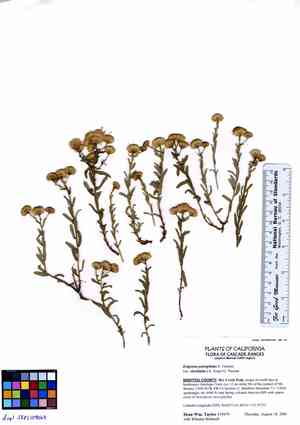
Rockloving erigeron (Erigeron petrophilus)
Also known as: Northern sierra daisy
A hardy perennial that fits your description is the Rockloving Erigeron. It features a clump of narrow leaves at its base and produces vibrant, daisy-like flowers with white to pinkish ray florets surrounding a yellow center. This plant is well-suited to rocky outcrops and alpine environments, where its compact form and persistent blooming are key adaptations to the rugged conditions.
In This Article
Attributes of Rockloving erigeron
Lifespan
Perennial
Plant Type
Herb
Plant Height
10-60 cm (4-24 inches)
Spread
Approximately 30 cm (12 inches)
Leaf Color
Green
Flower Size
1-2 cm (0.4-0.8 inches)
Flower Color
White or pinkish with a yellow center
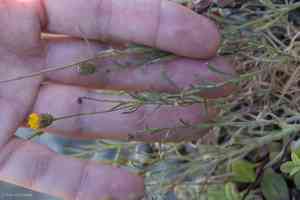
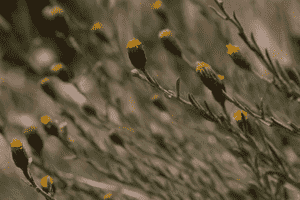
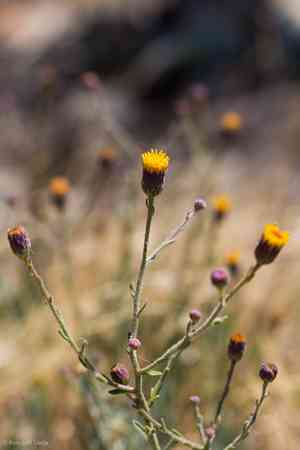
Images of Rockloving erigeron
Quickly Identify Rockloving erigeron
1
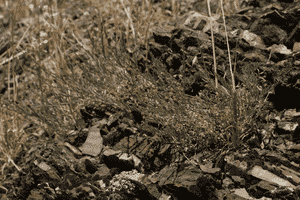
Erigeron petrophilus can be identified by its hairy, glandular stems and narrow, lance-shaped leaves. The flowers are arranged in dense clusters with white or pinkish ray florets and a yellow center.
Scientific Classification of Rockloving erigeron
Phylum
Vascular plants
Class
Dicotyledons
Order
Asterales
Family
Daisy
Genus
Fleabanes
Species
Rockloving erigeron
Planting and Growing of Rockloving erigeron
Care Difficulty
Moderate
Watering Schedule
Every 2 days
Sunlight Requirements
Full sun
Sunshine Duration
4-8 hours
Ideal Temperature
60-75℉
Soil Type
Potting Mix, Peat Mix
Soil pH
6.5-7.5
Fertilizer Type
Balanced
Pruning Season
Spring, Summer
Pruning Area
Leaves, Branches
Pruning Frequency
2 times a year
Repotting Season
Spring
Pot Type
Plastic, Ceramic
 How to Water Rockloving erigeron?
Erigeron petrophilus prefers well-drained soil and does not need excessive water. Each watering should be about 200 milliliters. The aim is to dampen the soil thoroughly but ensure it dries before the next watering. Avoid leaving the soil soggy as this plant is drought-tolerant.
What are the symptoms of an underwatered Rockloving erigeron?
›
What should I do if my Rockloving erigeron is not getting enough water?
›
What are the symptoms of an overwatered Rockloving erigeron?
›
How to save an overwatered Rockloving erigeron?
›
 What Are the Sunlight Requirements for Rockloving erigeron?
Partial to full sun exposure is ideal. Erigeron petrophilus benefits substantially from these conditions by presenting more vibrant blooms and sustaining vigorous growth, which are crucial for its ornamental purposes and ecological functions.
What is the best lighting condition for Erigeron petrophilus?
›
How can I achieve ideal lighting for Erigeron petrophilus?
›
What benefits does Erigeron petrophilus gain from ideal lighting?
›
 What Is the Ideal Temperature Range for Rockloving erigeron?
Erigeron petrophilus thrives best in temperatures ranging from 60°F to 75°F. This range provides the optimal balance for its growth and health, allowing the plant to photosynthesize efficiently and maintain stable metabolic rates. Consistent temperatures within these values help the plant to flourish and sustain vibrant blossoms.
 What Soil is Best for Rockloving erigeron?
Erigeron petrophilus thrives in well-drained soils. Ensuring good drainage helps prevent root rot, a common problem for many plants. This characteristic is vital for healthy growth and resilience. The plant requires soil enriched with necessary nutrients. Incorporating organic matter will foster better growth and flowering. Nutrient-rich soil ensures robust development and prolonged blooming. While this species prefers well-draining soil, moderate moisture retention helps sustain it during dry periods. This balance fosters a stable environment, promoting healthy root development.
 How to Fertilize Rockloving erigeron?
For Erigeron petrophilus, a moderate fertilization amount is recommended. Use 1/2 to 1 teaspoon of liquid fertilizer per gallon of water. For solid fertilizers, apply approximately 1/4 cup per plant per application. Adjust the amount based on plant size and soil conditions, ensuring not to overwhelm the plant's natural balance.
 How to Prune Rockloving erigeron?
Start by identifying any dead or diseased stems. Remove these by cutting back to the healthy part of the plant to ensure the overall vitality of your Erigeron petrophilus. Carefully trim back excess growth to maintain the desired shape and size of the plant. This not only encourages a tidy appearance but also allows better air circulation. Regular pruning encourages more vigorous blooming. Focus on removing spent flowers and encouraging new shoots to promote a lush display.
More About Pruning Techniques→
 How to Propagate Rockloving erigeron plant?
1
Collect seeds from the existing Erigeron petrophilus plant once they are mature. Allow them to dry thoroughly to improve the chances of successful germination.
2
Use a well-draining soil mix to fill your seed trays or pots. A mix of half peat and half perlite or sand is ideal to ensure proper aeration and moisture retention.
3
Use pruning shears to snip healthy shoots from the parent plant. Ensure cuttings are approximately 4 to 6 inches long and remove any lower leaves to reduce moisture loss.
 How to Repot Rockloving erigeron plant?
1
Observe when Erigeron petrophilus becomes root-bound, with roots emerging from the pot holes. Additionally, slow growth or reduced flowering signifies a need for repotting. The best time to carry out this process is during the growing seasons, particularly in spring or early summer, allowing the plant ample time to recover.
2
Select a pot just one size larger than the current one, ensuring proper drainage holes. A slightly larger pot helps maintain balanced root space, preventing overwatering risks and providing sufficient room for roots to expand without overwhelming the plant with excess soil.
3
Opt for a well-draining sandy soil mix, ideal for Erigeron petrophilus' preference for airy roots. This type of soil prevents root rot, encourages healthy root development, and mirrors the plant's native conditions, promoting robustness and vigor.



