How to Propagate Rockloving erigeron?
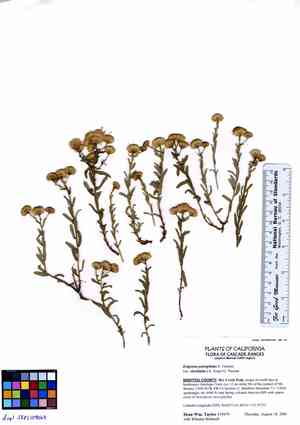
Erigeron scopulinus flourishes in stony landscapes and is recognized for its hardiness in challenging environments. When multiplying Erigeron scopulinus, employ seeds. For best outcomes, plant seeds in porous soil to replicate its native habitat. Gently cover the seeds with earth and sustain steady dampness until sprouting. Given its affinity for rugged surroundings, guarantee the young plants receive abundant sunlight and prevent excessive watering.
Optimal Period for Propagating Rockloving Erigeron
Propagation Method
Sowing
Propagation Period
Spring
Tools Utilized in Rockloving Erigeron Propagation
Seed Trays
Seed trays offer a controlled setting for planting rockloving erigeron seeds. They guarantee proper spacing and prevent crowding, aiding in superior growth and simpler transplanting.
Seed Starting Mix
A premium seed starting mix is crucial for rockloving erigeron as it provides excellent drainage, aeration, and minimal nutrients, which are perfect for young seeds. This blend helps prevent diseases and fosters robust root development.
Humidity Dome
A humidity dome placed over seed trays can maintain the necessary moisture and warmth for rockloving erigeron seeds to sprout. It creates a microclimate that supports higher germination rates.
Misting Bottle
Employing a misting bottle ensures the delicate rockloving erigeron seeds remain moist without becoming waterlogged. This tool assists in maintaining consistent moisture levels, which is vital for successful germination.
Labels and Markers
Labels and markers are important for tracking rockloving erigeron seed varieties and planting dates. This organizational tool is essential for monitoring growth progress and managing multiple plantings.
Heating Mat
A heating mat positioned beneath seed trays can deliver consistent bottom heat, accelerating the germination process for rockloving erigeron. This is particularly beneficial in cooler environments.
Light Source
Supplying an additional light source, such as grow lights, ensures that rockloving erigeron seedlings receive sufficient light, promoting strong, healthy growth. This is critical during the initial growth stages when natural light may be inadequate.
How to Propagate Rockloving Erigeron?
Propagation Type
Easy
How to Care for Your Newly Propagated Rockloving Erigeron?
How to Care for Your Newly Propagated Rockloving Erigeron?
After transplanting, care for rockloving erigeron by ensuring it receives ample sunlight and is planted in well-draining soil. Water the plant regularly until it is established, but avoid excessive watering as rockloving erigeron is drought-tolerant once mature. Apply mulch around the plant to retain moisture and deter weed growth. Prune back in early spring to encourage bushier growth and monitor for any pest or disease issues, addressing them promptly if they arise.
Common Mistakes to Avoid When Propagating Rockloving Erigeron
Overwatering
Excessive watering can lead to root rot and other fungal diseases, which can be fatal to young plants.
Insufficient sunlight
Placing rockloving erigeron in shaded areas will impede its growth as it thrives in full sunlight.
Wrong soil type
Using rich, well-amended soil can retain too much moisture, which is detrimental given rockloving erigeron's preference for well-drained, poor soils.
Tips For Propagating Rockloving Erigeron
Use well-draining soil
Ensure the soil mix is gritty and well-draining to prevent waterlogging and root rot.
Provide ample sunlight
Position rockloving erigeron in a location with full sun exposure to mimic its natural habitat and promote healthy growth.
Avoid excessive watering
Water sparingly and ensure the soil dries out between watering sessions to avoid root diseases.



