How to Prune Rockloving erigeron?
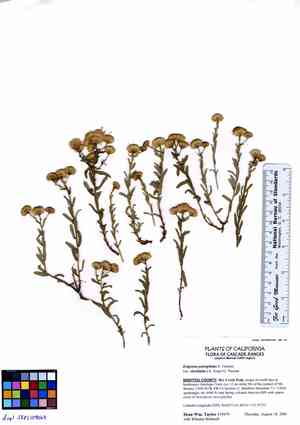
Erigeron scopulinus flourishes in stony environments and displays blossoms resembling daisies. Perform trimming in late winter or early spring, concentrating on eliminating deceased or compromised stalks to stimulate robust development. Shorten elongated or excessively dense stems to preserve form and avert congestion. Pruning during these periods fosters abundant flowering and aids in size management. Consistent upkeep benefits Erigeron scopulinus by improving air movement and lowering the likelihood of illness. Always employ sanitized, sharp implements for optimal outcomes.
What Are the Benefits of Pruning Rockloving Erigeron?
What Are the Benefits of Pruning Rockloving Erigeron?
Pruning rockloving erigeron encourages robust growth and helps maintain its form. This fosters healthy development, boosts flowering, and improves its overall look, while also assisting the plant in effectively resisting pests and diseases.
What Is the Best Time for Pruning Rockloving Erigeron?
What Is the Best Time for Pruning Rockloving Erigeron?
Trimming rockloving erigeron in late winter or early spring is advisable as it coincides with the plant's dormant period. Pruning during dormancy minimizes stress and promotes strong new growth as the active season begins. Furthermore, this timing allows gardeners to shape the plant before its main growth and bloom cycles, optimizing health and aesthetics. Completing pruning before new spring growth emerges helps prevent damage to developing shoots and flowers.
What Tools Do I Need to Prune Rockloving Erigeron?
Hand Pruners
Perfect for precise cuts on small stems and removing dead or damaged parts of rockloving erigeron. Use bypass pruners for clean cuts.
Pruning Shears
Useful for more extensive trimming, especially when cutting back larger growth of rockloving erigeron. Ensure they are sharp to prevent stem crushing.
Garden Scissors
Essential for detailed trimming tasks and deadheading flowers of rockloving erigeron. Their small size and accuracy are ideal for delicate work.
Lopping Shears
These are suitable for cutting through thicker stems or branches of rockloving erigeron. They offer leverage and are effective for larger growths.
How to Prune Rockloving Erigeron
Inspection
Examine rockloving erigeron for any indications of diseased or withered foliage. Remove all visibly unhealthy sections.
Sterilization
Sanitize your pruning shears with rubbing alcohol to prevent the spread of pathogens.
Removal
Carefully snip away the diseased leaves first, ensuring to cut back to healthy tissue.
Disposal
Properly discard the removed diseased and withered leaves away from other plants to avoid contamination.
Monitoring
Regularly observe rockloving erigeron for new signs of disease or wilting and repeat the pruning process as needed.
Common Pruning Mistakes with Rockloving Erigeron
Improper tool use
Using dull or unsuitable tools can harm rockloving erigeron, leading to jagged cuts and potential entry points for disease.
Over-pruning
Removing too much of the plant can stress rockloving erigeron, reducing its ability to produce flowers and potentially stunting growth.
Incorrect cut location
Making cuts too far from a node or branch can leave stubs prone to disease. Conversely, cutting too close can damage the node or bud, hindering growth.
Ignoring plant structure
Not considering the natural shape and growth pattern of rockloving erigeron can result in an awkward appearance and potentially weaken the plant structurally.
Pruning too frequently
While light maintenance pruning can be beneficial, excessive pruning can hinder rockloving erigeron’s ability to recover and thrive.
Common Pruning Tips for Rockloving Erigeron
Sharp tools
Always use clean, sharp pruning shears to make clean cuts. This reduces the risk of disease and helps the plant heal more quickly.
Gentle shaping
Aim to prune just enough to maintain the natural shape of rockloving erigeron, focusing on removing dead, damaged, or diseased stems to encourage healthy growth.
Cut at a slant
Make cuts at a slight angle to prevent water from pooling on the cut surface, reducing the risk of rot and disease.
Reduce crowded branches
Thin out crowded areas to improve air circulation and light penetration, which can promote more vigorous growth and flowering.
Monitor regularly
Regularly inspect rockloving erigeron for any signs of stress or disease and perform minor corrective pruning as necessary, rather than waiting too long and needing a major trim.



