How to Transplant Arctic alpine fleabane?
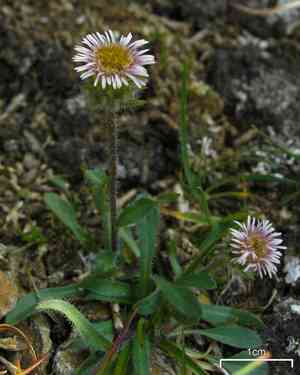
Arctic alpine fleabane flourishes when relocated during the mild period of mid-spring. Selecting a bright, adequately drained location guarantees vigorous development. Fertile, silty earth sustains its enduring characteristics, facilitating a smooth adjustment and abundant proliferation.
What Preparations are Necessary Before Relocating Arctic Alpine Fleabane?
What is the Ideal Time for Relocating Arctic Alpine Fleabane?
The best period for moving arctic alpine fleabane is during early to mid-spring. At this time, the plant benefits from warmer soil and increased moisture, which encourages robust root growth. Relocating in this season ensures arctic alpine fleabane establishes well before summer's harsher temperatures, boosting its long-term development and hardiness.
How Much Space Should You Leave Between Arctic Alpine Fleabane Plants?
Ensure your arctic alpine fleabane plants are spaced approximately 12 inches (30 cm) apart. This provides ample room for growth and guarantees adequate air circulation.
What is the Best Soil Mix for Arctic Alpine Fleabane Relocation?
Prepare well-draining soil by combining sand, loam, and some organic material like compost. Incorporating a balanced, slow-release fertilizer will supply the nutrients arctic alpine fleabane needs to flourish.
Where Should You Relocate Your Arctic Alpine Fleabane?
Select a location that receives full sun to partial shade. Arctic alpine fleabane will thrive with about 6-8 hours of sunlight daily. Avoid completely shaded areas to ensure healthy development.
What Equipment Should You Prepare Before Relocating Arctic Alpine Fleabane?
Gardening Gloves
To safeguard your hands while handling soil and the plant.
Garden Spade or Shovel
For excavating holes and trenches around the plant.
Trowel
To assist in lifting seedlings or small plants from containers or trays.
Bucket or Wheelbarrow
For moving the plant without causing damage.
Watering Can or Hose
To hydrate the plant before and after relocation.
Organic Mulch
To help maintain moisture around the plant post-relocation.
Stakes or Supports
If the plant requires vertical assistance during establishment.
How Do You Extract Arctic Alpine Fleabane from the Soil?
How Do You Extract Arctic Alpine Fleabane from the Soil?
From Ground: First, water the arctic alpine fleabane plant to moisten the soil. Then, dig a wide trench around the plant using a shovel or spade, making sure the plant's root ball stays intact. Carefully work the spade beneath the root ball to lift the plant from its original spot.From Pot: Gently water the arctic alpine fleabane plant to loosen the soil. Tap the pot's sides to release the root ball. Carefully slide the plant out, holding the stem's base. Be careful to minimize root disturbance.From Seedling Tray: Water the seedlings thoroughly before moving them. Use a trowel or your hands to carefully lift each arctic alpine fleabane seedling from the tray, ensuring you retrieve as much of the root system as possible. Handle seedlings by their leaves to avoid harming delicate stems.
Step-by-Step Guide for Relocating Arctic Alpine Fleabane
Site Preparation
Prepare the relocation site by digging a hole that is twice the width of the arctic alpine fleabane's root ball and equally deep. Incorporate some compost to enrich the soil.
Remove and Transport
Carefully remove the arctic alpine fleabane from its initial location as previously described. Use a bucket or wheelbarrow to move the plant to its new spot.
Plant Positioning
Place the arctic alpine fleabane into the prepared hole. Ensure the top of the root ball is level with or slightly above the surrounding soil. Adjust the plant so it stands upright.
Backfilling
Fill the hole with the soil you removed, gently firming it around the root ball. Be careful not to leave any air pockets.
Watering
Water the arctic alpine fleabane thoroughly to help the soil settle around the roots.
Mulching
Apply a layer of organic mulch around the plant, leaving space around the stem to prevent rot. This will help retain moisture and suppress weeds.
Adding Support
If necessary, use stakes or other supports to keep the arctic alpine fleabane upright and encourage proper growth.
How Do You Care For Arctic Alpine Fleabane After Relocation?
Watering
Keep the soil around the arctic alpine fleabane consistently moist, but not waterlogged, for the initial few weeks after relocation to aid in strong root establishment.
Monitoring
Regularly inspect the arctic alpine fleabane for signs of stress such as wilting or yellowing leaves, and address any issues promptly.
Fertilizing
Consider feeding the arctic alpine fleabane with a balanced, slow-release fertilizer once it has settled in its new location, promoting vigorous growth.
Protection
Shield the arctic alpine fleabane from extreme weather conditions like frost or heavy rain. Employ suitable measures such as cloches or protective covers if required.
Troubleshooting Common Issues with Arctic Alpine Fleabane Relocation.
When is the best time to relocate arctic alpine fleabane?
Relocating arctic alpine fleabane is ideal from early spring to late spring for optimal outcomes.
What spacing should I use when relocating arctic alpine fleabane?
Ensure to space arctic alpine fleabane 12 inches (30 cm) apart for proper development.
How should I prepare the soil for arctic alpine fleabane?
Loosen the soil and mix in compost to ensure a well-draining, nutrient-rich environment.
How deep should I plant arctic alpine fleabane?
Plant arctic alpine fleabane at the same depth it was growing in its original container.
What if arctic alpine fleabane wilts after relocating?
Ensure arctic alpine fleabane is well-watered and shaded initially to help it recover from relocation shock.
Can I relocate arctic alpine fleabane during hot weather?
Avoid relocating arctic alpine fleabane during hot weather to prevent stress and ensure successful establishment.
How should I water arctic alpine fleabane after relocating?
Water arctic alpine fleabane thoroughly after relocating and keep the soil consistently moist, but not waterlogged.
What if I see yellow leaves after relocating arctic alpine fleabane?
Monitor watering and check for pests; yellow leaves can indicate stress or poor nutrition.
How do I acclimate arctic alpine fleabane to its new location?
Gradually expose arctic alpine fleabane to outdoor conditions over a week before permanent planting.
What soil pH is best for arctic alpine fleabane?
Aim for a soil pH of 6.0 to 7.5 for optimal growth of arctic alpine fleabane.



