How to Propagate Arctic alpine fleabane?
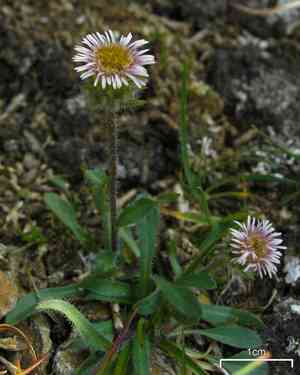
Arctic alpine fleabane flourishes in chilly, high-altitude settings. For propagation, verify that the substrate is adequately drained and mildly acidic. To achieve optimal outcomes, plant seeds in a cold frame or comparable environment, preserving steady dampness while preventing saturation. Gently blanket the seeds with earth. Refrain from relocating as arctic alpine fleabane favors uninterrupted root development. Perseverance is crucial; sprouting could require multiple weeks.
What Is the Best Time To Propagate Arctic Alpine Fleabane?
Propagation Type
Sowing
Propagation Season
Spring
What Tools Are Used in Arctic Alpine Fleabane Propagation?
Seed Tray
Seed trays are crucial for initiating arctic alpine fleabane seedlings. They offer a regulated setting where seeds can sprout effectively. Seed trays guarantee uniform spacing and aid in managing irrigation and nutrient delivery, vital for the delicate initial phases of arctic alpine fleabane growth.
Seed Starting Mix
A premium seed starting mix is essential for sowing arctic alpine fleabane. This blend should be sterile, light, and drain well to encourage robust root growth and prevent disease. A suitable mix supports strong germination and development by providing the correct balance of nutrients and air circulation.
Humidity Dome
Humidity domes maintain the necessary moisture and warmth levels required for arctic alpine fleabane seed germination. They create a miniature greenhouse effect, which is especially important for maintaining the ideal conditions for arctic alpine fleabane during the initial stages of growth.
Heat Mat
A heat mat provides consistent, gentle warmth from below, encouraging quicker and more uniform germination of arctic alpine fleabane. This tool ensures that the soil temperature stays within the optimal range, which is critical for successful seed germination and early seedling development.
Seed Label Markers
Label markers are used to identify different plant species and seed varieties while sowing arctic alpine fleabane. Proper labeling helps avoid confusion and ensures accurate tracking of germination rates and growth phases for each batch of seeds.
Watering Can with Fine Rose
A watering can with a fine rose gently disperses water over arctic alpine fleabane without disturbing the soil or displacing seeds. Consistent, gentle watering is crucial during the germination period to keep the soil evenly moist without causing waterlogging or seed displacement.
Fine Mist Spray Bottle
A fine mist spray bottle is ideal for misting the surface of the soil to keep it consistently moist, especially before seeds have germinated. This tool helps maintain the delicate balance of moisture required for arctic alpine fleabane seeds to sprout without over-saturating the soil.
pH Meter
A pH meter helps monitor and adjust the soil pH to ensure it is within the ideal range for arctic alpine fleabane. Maintaining the correct pH levels is vital for the nutrient uptake and overall health of the seedlings, ensuring a higher success rate in propagation.
How to Propagate Arctic Alpine Fleabane?
Propagation Type
Easy
How to Care for Your Newly Propagated Arctic Alpine Fleabane?
How to Care for Your Newly Propagated Arctic Alpine Fleabane?
After transplanting, ensure that arctic alpine fleabane receives adequate water, especially during dry periods, but avoid overwatering as they prefer well-draining soil. Apply a thin layer of mulch to help retain soil moisture and suppress weeds. Monitor for pests and diseases, though arctic alpine fleabane is generally hardy and resilient. Trim spent flowers to encourage further blooming and remove any dead or damaged foliage to maintain plant health.
Common Mistakes to Avoid When Propagating Arctic Alpine Fleabane
Overwatering
Excess water can lead to root rot, which is particularly harmful to arctic alpine fleabane's shallow root system.
Poor Soil Drainage
Using soil that retains too much moisture can suffocate the roots, leading to poor plant health and failure in propagation.
Improper Light Conditions
Providing either too much direct sunlight or too little light can stress arctic alpine fleabane, hindering its growth and propagation success.
Incorrect Cutting Techniques
Damaging the tips or using unhealthy parts for cuttings can result in a lower success rate for propagation.
Neglecting Pest Control
Ignoring potential pests can lead to infested cuttings, which will not root or grow adequately.
Tips For Propagating Arctic Alpine Fleabane
Well-Draining Soil
Use a mix that allows excess water to drain away easily, preventing root rot.
Moisture Control
Maintain a balance by keeping the soil moist but not waterlogged, which is crucial for root establishment.
Proper Lighting
Provide bright, indirect light to ensure robust growth without stressing the plant.
Healthy Cuttings
Select cuttings from healthy, vigorous parts of the plant and handle them carefully to avoid damage.
Pest Inspection
Regularly check plants for pests and treat them promptly to ensure that cuttings are healthy and free from infestations.



