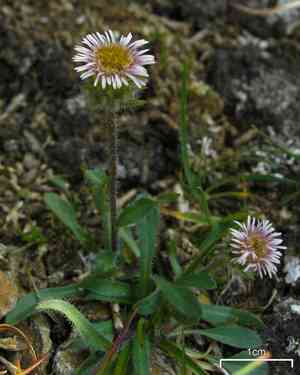
Arctic alpine fleabane (Erigeron humilis)
Also known as: Alpine Fleabane, Low Fleabane
The plant in question is likely a Saxifraga, often referred to as rockfoil. This hardy alpine perennial thrives in rocky, challenging environments. It features a rosette of spoon-shaped leaves at the base, with stems adorned with clusters of small, delicate flowers that range from white to pink. Saxifraga is well-suited to withstand cold and wind, bringing bursts of color to otherwise harsh landscapes.
In This Article
Attributes of Arctic alpine fleabane
Lifespan
Perennial
Plant Type
Herb
Plant Height
5-15 cm (2-6 inches)
Spread
10-20 cm (4-8 inches)
Leaf Color
Green
Flower Size
1-2 cm (0.4-0.8 inches)
Flower Color
White to Pinkish
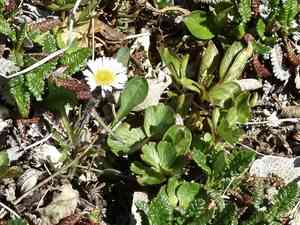
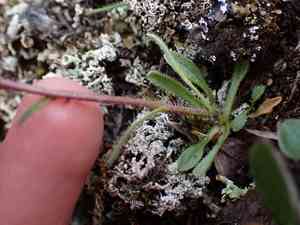
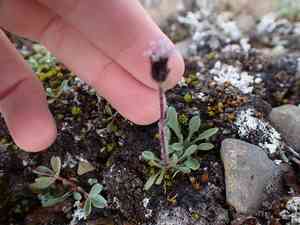
Images of Arctic alpine fleabane
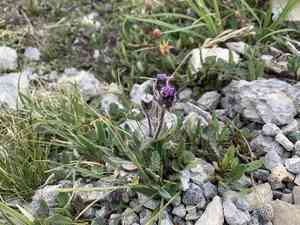
Quickly Identify Arctic alpine fleabane
1
Identify Erigeron humilis by its small, narrow basal leaves and daisy-like flowers with white to pinkish rays and a yellow center. It typically grows in clumps at high altitudes.
Scientific Classification of Arctic alpine fleabane
Phylum
Vascular plants
Class
Dicotyledons
Order
Asterales
Family
Daisy
Genus
Fleabanes
Species
Arctic alpine fleabane
Planting and Growing of Arctic alpine fleabane
Care Difficulty
Easy
Watering Schedule
Every 2 days
Sunlight Requirements
Partial sun
Sunshine Duration
6-10 hours
Ideal Temperature
60-70℉
Soil Type
Potting Mix, Peat Mix
Soil pH
6-7.5
Fertilizer Type
Balanced
Pruning Season
Spring, Summer
Pruning Area
Branches, Leaves
Pruning Frequency
2 times a year
Repotting Season
Spring
Pot Type
Plastic, Ceramic
 How to Water Arctic alpine fleabane?
Erigeron humilis thrives with a moderate amount of water. Typically, around 200 milliliters per watering is ideal to keep its roots moist but not saturated. The key is to ensure that water reaches the root zone without leaving the soil waterlogged.
What are the symptoms of an underwatered Arctic alpine fleabane?
›
What should I do if my Arctic alpine fleabane is not getting enough water?
›
What are the symptoms of an overwatered Arctic alpine fleabane?
›
How to save an overwatered Arctic alpine fleabane?
›
 What Are the Sunlight Requirements for Arctic alpine fleabane?
Partial to full sun is optimal, benefiting growth with rich blooms and vibrant foliage. Adequate lighting ensures effective photosynthesis, vital for the plant's overall health and flower production.
What is the best location for Erigeron humilis to receive its ideal light?
›
How to adjust if the plant is not thriving?
›
What improvements can be observed with ideal lighting?
›
 What Is the Ideal Temperature Range for Arctic alpine fleabane?
For optimal growth, Erigeron humilis prefers temperatures between 60 and 70 degrees Fahrenheit. This range provides a balanced environment to support healthy photosynthesis and nutrient uptake. Keeping the plant within this range minimizes stress and encourages robust blooming.
 What Soil is Best for Arctic alpine fleabane?
Erigeron humilis thrives in well-draining soil, preventing root rot and allowing efficient nutrient absorption, ensuring the plant remains healthy and vibrant. While adaptable, Erigeron humilis prefers slightly alkaline conditions, which support optimal growth and vibrant flowering, enhancing the plant’s overall aesthetics. Including moderate organic content in the soil aids in water retention and provides essential nutrients, benefiting the growth and robustness of Erigeron humilis.
 How to Fertilize Arctic alpine fleabane?
For Erigeron humilis, it is essential to ensure the right amount of nutrients. Typically, apply a balanced liquid fertilizer at half its recommended strength. Avoid heavy feeding, as this plant prefers a leaner soil profile. Each application should be approximately 10 ml of diluted solution per watering can, evenly distributed over the soil surface.
 How to Prune Arctic alpine fleabane?
Begin by examining the Erigeron humilis for any dead or wilting blooms, cutting them back to the base. Next, trim back any overgrown stems to maintain the plant's compact shape. Always cut at a 45-degree angle just above a leaf node to encourage new growth. Lastly, remove any weak or damaged branches to ensure better air circulation and sunlight penetration.
More About Pruning Techniques→
 How to Propagate Arctic alpine fleabane plant?
1
Sow the seeds of Erigeron humilis in seed trays filled with a suitable seed-starting mix. Ensure the seeds are covered lightly with soil and keep the trays in a warm place, with indirect sunlight, to encourage germination.
2
Use a sharp knife to take healthy cuttings from a mature Erigeron humilis plant. The cuttings should be 3-5 inches long. Dip the cut ends in rooting hormone before planting them in a moist, well-draining potting mix.
3
Divide established clumps of Erigeron humilis in spring. Carefully dig up the plant and separate the root ball into smaller sections, ensuring each has roots and shoots. Replant the divisions at the same depth they were growing initially.
 How to Repot Arctic alpine fleabane plant?
1
Erigeron humilis shows signs of needing a new pot when its roots start growing through the drainage holes or its growth appears stunted. Spring or autumn is ideal for repotting because the moderate temperatures and ground moisture support recovery and new growth. Observing the roots and overall vigor indicates the right time to repot.
2
Select a pot one size larger than the current one, ensuring it has sufficient drainage holes. A pot that is too large can lead to excess water retention, which can harm the plant. Clay or terracotta pots can help manage moisture levels by allowing excess water to evaporate through their porous surfaces, benefiting Erigeron humilis.
3
Opt for well-draining, sandy soil to mimic Erigeron humilis's natural alpine environment. Such soil prevents root rot and allows for adequate air circulation around the roots, which is crucial for maintaining a healthy plant. A mix combining garden soil, sand, and perlite ensures optimal drainage and root health.
Learn More About Arctic alpine fleabane Diseases
Anthracnose
Bacterial Leaf Spot
Bacterial Soft Rot
Bacterial Wilt
Black Spot
Chemical Injury
Cyst Nematode
Damping-off
Downy Mildew
Drought Stress
Fusarium Wilt
Gray Mold
Leaf Curl
Leaf Spot
Mosaic
Nutrient Deficiency
Nutrient Toxicity
Powdery Mildew
Root Rot
Root-knot Nematode
Rusts
Sooty Mold
Spider Mites
Temperature Stress
Thrips Damage
White Mold



